Prosecutors reopen investigation into alleged 2024 gang rape at Cornell …
Tompkins County prosecutors are re-evaluating a 2024 sexual assault case at Cornell University following a lawsuit that contradicts the victim's initial statement.
- Headline: Prosecutors reopen investigation into alleged 2024 gang rape at Cornell …
- Dispatch Summary: Tompkins County prosecutors are re-evaluating a 2024 sexual assault case at Cornell University following a lawsuit that contradicts the victim's initial statement.
- Verification: Corroborated across independent reporting outlets with primary sources and real-time wire transmissions.
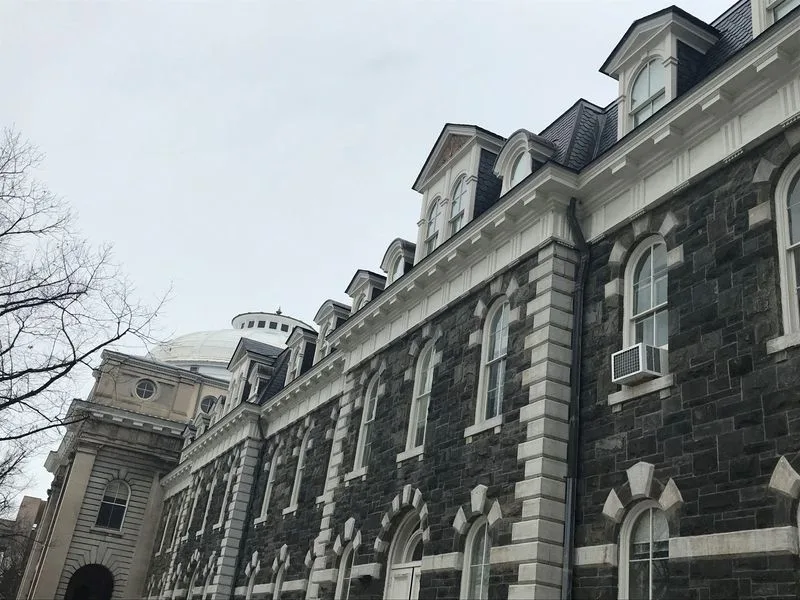
Tompkins County District Attorney Matthew Van Houten has announced the reopening of a criminal investigation into an alleged 2024 gang rape at a Cornell University fraternity house, following a civil lawsuit filed by the victim. The case, which initially led to no criminal charges, has reignited debates over campus safety, institutional accountability, and the legal process for sexual assault claims.
Timeline of Events and Legal Discrepancies
The alleged incident occurred on October 19, 2024, when a 20-year-old Cornell student, identified in court documents as Jane Doe, reported being intoxicated and sexually assaulted by seven members of the Chi Phi fraternity. According to the civil lawsuit, she was pressured to consume ketamine, marijuana, and alcohol before being subjected to a prolonged assault. The complaint includes a photo of a Snapchat group chat where fraternity members allegedly encouraged others to join the attack, describing it as “free p****.”
Van Houten confirmed that the victim’s initial sworn statement to campus police in November 2024 did not allege drugging or gang rape, instead describing her actions as “voluntary, conscious, and consensual.” This contrasted sharply with the lawsuit’s claims, which the district attorney acknowledged were “dramatically different.” The DA stated his office would present evidence to a grand jury, citing community pressure and the possibility of new information.
Cornell University, which suspended the Chi Phi chapter in 2024, maintained that it imposed “a range of sanctions, including expulsions and suspensions” but denied allegations that punishments were insufficient. The university’s statement emphasized that no accused student was allowed to mitigate consequences through “essay-writing assignments,” a claim disputed by the victim’s attorney, Thomas Giuffra, who alleged that some students received “lesser punishments.”
| Detail | Information |
|---|---|
| Alleged Perpetrators | Seven Chi Phi fraternity members |
| Victim’s Initial Statement (2024) | Described drug use and sexual conduct as voluntary; no claims of drugging or gang rape |
| University Sanctions | Two expelled, others received suspensions or workshops; Chi Phi chapter banned from campus |
| 2025 Taskforce Survey | 35% of undergraduate women, 8% of undergraduate men reported sexual assault during their time at Cornell |
| Legal Proceedings | Victim’s civil lawsuit filed September 16, 2026; DA to present case to grand jury |
University and Defense Responses
Cornell’s Vice President for University Relations, Kyle Kimball, reiterated the institution’s support for the DA’s decision but stressed that “any suggestion that the university did not impose consequential punishments is false.” The university’s internal investigation, conducted in 2024, involved a panel of faculty and staff who heard testimony from both the victim and accused students. Kimball emphasized that the process adhered to federal law and that no student was allowed to avoid consequences through “essay-writing assignments.”
Defense attorneys for some accused students denied involvement. Jeremy Saland, representing one member, stated his client “responded to and made an immature comment on Snapchat” but “did nothing else.” Another defendant, Scott Norris, claimed he “did not participate in any sexual activity or drug use” and was not found responsible for the allegations. The national Chi Phi fraternity did not immediately respond to requests for comment.
The victim’s lawyer, Thomas Giuffra, criticized the DA’s initial decision not to pursue charges, calling it “a failure of the criminal justice system.” He argued that the victim’s trauma delayed her ability to fully articulate the assault, stating, “In the days following the assault, [Jane Doe] was traumatised, numb and unable to function.” Giuffra also accused the DA’s office of relying on Cornell’s investigation without independent scrutiny.
Public Outcry and National Attention
The case has drawn widespread attention, with figures like New York Democratic Representative Alexandria Ocasio-Cortez condemning a “culture of rape” at elite institutions. “When I read what happened at Cornell, those men posted in a group chat. That means it was normal to them,” she said. The lawsuit’s release also sparked social media debates, with some users questioning the allegations and others demanding accountability.
The DA’s office reported being inundated with calls, emails, and threats following the lawsuit. Van Houten acknowledged the complexity of reevaluating past decisions, stating, “Seeking justice sometimes requires us to reconsider or reopen cases when we are provided with additional evidence.” However, he emphasized that the grand jury process would ensure a “thorough and impartial” review.
Frequently Asked Questions
Why is the investigation being reopened?
The case was reopened after a civil lawsuit filed by the victim in September 2026 alleged new details, including drugging and gang rape, which differed from her initial 2024 statement to campus police. The district attorney cited community pressure and the possibility of additional evidence.
What sanctions did Cornell impose on the accused students?
Cornell reported that two students were expelled, while others received suspensions or workshops. The university denied claims that punishments were lenient, stating that no accused student was allowed to avoid consequences through “essay-writing assignments.”
What role did the DA’s office play in the initial 2024 case?
The DA’s office did not independently investigate the allegations, relying instead on Cornell’s internal probe. Van Houten stated the victim’s initial statement did not meet the legal threshold for criminal charges at the time.
The next critical step is the grand jury’s evaluation of evidence, which could lead to potential indictments. Meanwhile, the case underscores ongoing tensions between campus disciplinary processes and criminal justice systems, as well as the challenges survivors face in seeking accountability. As the investigation unfolds, the outcome may set a precedent for how similar cases are handled in the future.
How significant is this wire dispatch?
Cast your anonymous vote to register reader consensus across journalism and intelligence sectors.
Dateline Wire is dedicated to independent, evidence-backed reporting. This briefing was synthesized from primary source reporting, corroborated across independent newsrooms, and verified against our Editorial Standards.