Earthquake on Colombia's Pacific coast causes injuries and damage
A 7.4-magnitude earthquake struck Colombia's Pacific coast, causing injuries, structural damage, and evacuations across multiple regions.
- Headline: Earthquake on Colombia's Pacific coast causes injuries and damage
- Dispatch Summary: A 7.4-magnitude earthquake struck Colombia's Pacific coast, causing injuries, structural damage, and evacuations across multiple regions.
- Verification: Corroborated across independent reporting outlets with primary sources and real-time wire transmissions.

A 7.4-magnitude earthquake struck Colombia’s Pacific coast on Monday, causing injuries, structural damage, and widespread concern across multiple regions, according to official statements and regional reports. The tremor, centered near San José del Palmar in Chocó province, was felt as far as Bogotá and Venezuela, with officials emphasizing the risk of aftershocks and ongoing damage assessments.
Governor’s Statement on Damage Assessment
Chocó Governor Nubia Carolina Córdoba Curi described the event as a “major earthquake” and confirmed injuries and “significant damage to buildings” in the provincial capital, Quibdó. She highlighted the need for immediate damage evaluations and warned of potential aftershocks. “We are already carrying out a damage assessment and will issue the first official report shortly,” she said on X, a social media platform.
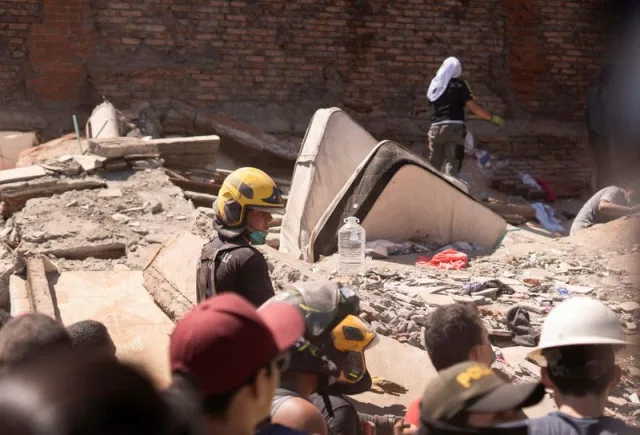
The governor’s remarks aligned with statements from Risaralda Province Governor Juan Diego Patino, who reported “serious damage to some buildings” in Pereira, the provincial capital. “The images are truly shocking, with people injured and building facades collapsed,” he told local Blu Radio.
Seismic Details and Regional Impact
The U.S. Geological Survey (USGS) initially reported the earthquake’s magnitude at 7.4, with a depth of 96 kilometers (60 miles), according to Colombia’s geological service. This revised the earlier estimate of 79 kilometers originally reported by authorities. The epicenter was located 5 kilometers east of San José del Palmar, a coastal village in Chocó. Despite its depth, the quake was felt hundreds of kilometers inland, including in Bogotá, where several buildings were evacuated.
Colombia’s National Unit for Disaster Risk Management confirmed it was coordinating with local authorities to verify damage. Bogotá’s mayor, Carlos Galán, stated there was “no major damage” in the capital, though social media footage from Manizales in the coffee region showed a collapsed building and a church spire toppled during the tremor. Colombian newspaper El Tiempo shared video of rescue efforts, with individuals shouting to locate those trapped under debris.
Regional Felt Effects and Historical Context
The earthquake’s impact extended beyond Colombia’s borders. Reuters reported that the tremor was felt in Venezuela’s Táchira state and Barquisimeto, cities near the Colombian border. Venezuela, which suffered devastating twin earthquakes in June 2026 that killed over 6,000 people, remains on high alert for seismic activity. The BBC noted that the August 10 quake occurred less than two months after those events, underscoring regional vulnerability.
Colombian aviation authorities reported damage at several regional airports, including those in Pereira, Manizales, Quibdó, Armenia, Cartago, and Buenaventura. The U.S. tsunami warning system issued no alerts, alleviating immediate concerns about coastal flooding.
Discrepancies in Reporting and Ongoing Concerns
While most outlets emphasized the earthquake’s magnitude and regional reach, some highlighted specific details. The BBC cited Colombia’s geological service stating the quake struck at 07:34 local time (12:34 GMT) and noted the depth of 96 kilometers. Yahoo News and Reuters both quoted the governor’s warnings about aftershocks and the need for assessments. However, no official casualty numbers were provided, with Chocó’s governor stating only that “people had been injured” without specifying the count.
The USGS tectonic summary noted that while earthquakes of this magnitude are rare in Colombia, the region has experienced smaller quakes historically. The agency also referenced previous large earthquakes near the coast, including those in Ecuador, as part of the broader seismic context.
What Comes Next?
Authorities are prioritizing damage assessments and emergency response efforts. The National Unit for Disaster Risk Management is working with local governments to evaluate infrastructure, housing, and public safety. Communities in Chocó and neighboring provinces remain on alert for aftershocks, with officials urging residents to avoid unstable structures and follow evacuation protocols.
International monitoring agencies, including the USGS, continue to track seismic activity. As the full extent of the damage becomes clearer, humanitarian organizations may mobilize to support affected areas, particularly in rural regions where infrastructure is less resilient.
How significant is this wire dispatch?
Cast your anonymous vote to register reader consensus across journalism and intelligence sectors.
Dateline Wire is dedicated to independent, evidence-backed reporting. This briefing was synthesized from primary source reporting, corroborated across independent newsrooms, and verified against our Editorial Standards.