Superworms' help scientists with a vexing task: Cleaning animal specimens
Researchers have discovered that superworms, the larvae of Zophobas morio, provide an efficient method for cleaning animal skeletons for study and display.
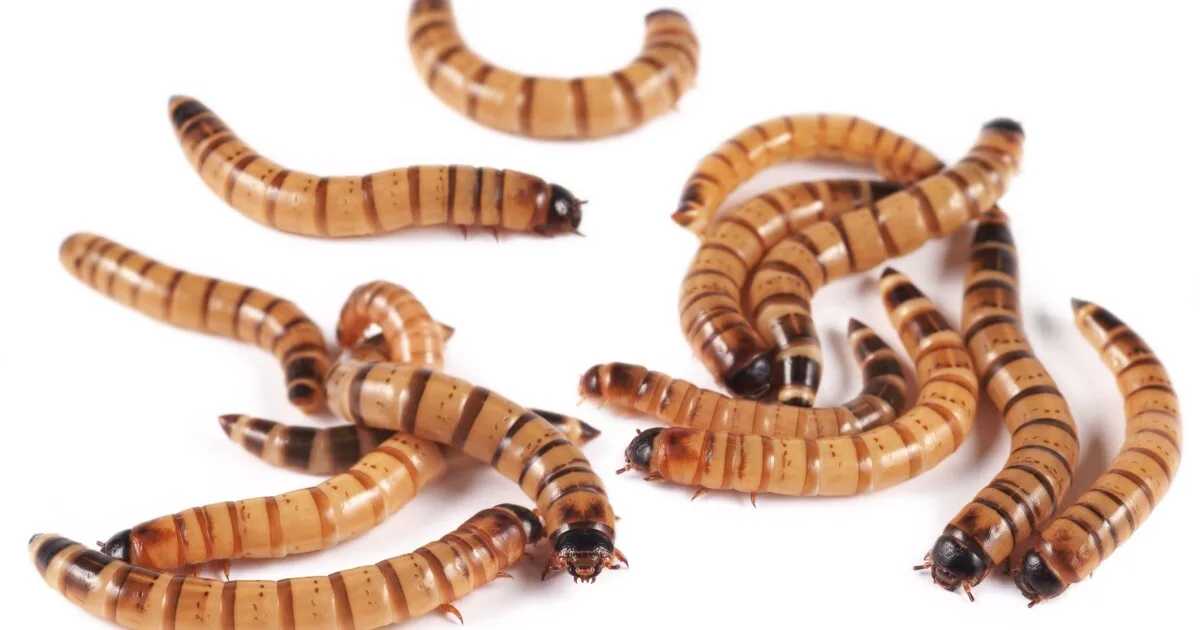
In a breakthrough for museum conservation and scientific research, scientists in Iran have developed a novel method to clean animal skeletons using superworms, the larvae of the beetle species Zophobas morio. This approach, detailed in a study published in PLOS One, addresses longstanding challenges in preparing skeletal specimens for study and display, offering a safer, more efficient alternative to traditional methods like chemical treatments, boiling, and dermestid beetles.
Mashhad Museum's Space Crisis
In the city of Mashhad, northeast Iran, the Ferdowsi University Natural History Museum faced a growing dilemma. Donations of dead animals—ranging from roadkill to injured birds—flooded the institution, overwhelming its storage capacity. “We don’t have enough freezers to put these dead animals,” said Niloofar Alaei Kakhki, a bioinformatician and researcher at the museum. “We have to find a way to clean them so that these animals’ skeletons can be studied and exhibited.”
Traditional methods for skeleton preparation each carried significant drawbacks. Chemical treatments, while effective, risked degrading bones and harming the environment. Boiling was time-consuming and often damaged delicate structures, such as the tiny ribs of fish. Dermestid beetles, though widely used for their efficiency, posed a risk of escape, potentially destroying other museum specimens by chewing through preserved feathers and dried skin.
Superworms as a Solution
Alaei and her colleagues turned to superworms, a species native to South and Central America, which are commercially available as pet food. These larvae, nearly the size of a human finger, possess strong mandibles that allow them to strip flesh from bones without causing damage. “Why not use this dead animal to feed the superworm, and the superworm can help to clean them?” Alaei asked.
The key to controlling superworms lies in their life cycle. When kept in groups, they remain in the larval stage and do not transform into adult beetles, which could otherwise escape and infest the museum. “You can reuse the same larvae for almost six months,” Alaei noted. The team tested the method on specimens of varying sizes, from mice and fish to wolves and wild cats, pre-cleaning them slightly with hot water before introducing the larvae.
The results were impressive. Superworms efficiently removed flesh without harming fragile bones, even cleaning the delicate ribs of fish. The optimal ratio of larvae to specimen was found to be 10 to 15 grams of larvae per gram of animal, balancing speed and precision. “It’s so surprising how superworms can work so fast and at the same time be so gentle,” Alaei said.
Expert Reactions and Concerns
The study has drawn both praise and caution from the scientific community. Damien Charabidze, a forensic entomologist at the University of Lille in France, noted that superworms may be easier to control than dermestid beetles but raised concerns about their powerful mandibles potentially snapping small bones. “Although they’re omnivores, they prefer a vegetarian diet. Cadavers are not their usual food, which could make them more finicky feeders,” he said.
Marna Sakalem, an anatomist at the State University of Londrina in Brazil, highlighted the reliability of dermestid beetles, which she has used for five years without any escape incidents. “I’m not willing to write off traditional approaches just yet,” she added.
Practical Advantages and Future Prospects
Despite these concerns, the researchers emphasize the practical benefits of superworms. Their commercial availability, ease of maintenance, and reduced environmental impact make them a viable option for institutions with limited resources. “Even small museums in countries without advanced facilities could benefit from this method,” Alaei said.
The study, co-authored by Fatemeh Rastekar of Ferdowsi University and Niloofar Alaei, now based at the State Museum of Natural History in Stuttgart, Germany, also highlights the adaptability of the technique. Larger containers and optimized larval ratios can further streamline the process, as demonstrated in trials involving specimens up to 4.2 kilograms (9 pounds).
As museums and research institutions seek sustainable solutions, the use of superworms represents a promising shift in skeletal preparation. While challenges remain, the method’s efficiency and safety offer a compelling alternative to centuries-old practices.
Dateline Wire is dedicated to independent, evidence-backed reporting. This briefing was synthesized from primary source reporting, corroborated across independent newsrooms, and verified against our Editorial Standards.