Google launches Project Suncatcher to test AI chips in orbit via SpaceX
Google has deployed its first AI hardware prototype into low-Earth orbit to evaluate TPU performance under extreme radiation and thermal conditions.
- Headline: Google launches Project Suncatcher to test AI chips in orbit via SpaceX
- Dispatch Summary: Google has deployed its first AI hardware prototype into low-Earth orbit to evaluate TPU performance under extreme radiation and thermal conditions.
- Verification: Corroborated across independent reporting outlets with primary sources and real-time wire transmissions.
Google’s AI Chips Reach Orbit in Historic Test
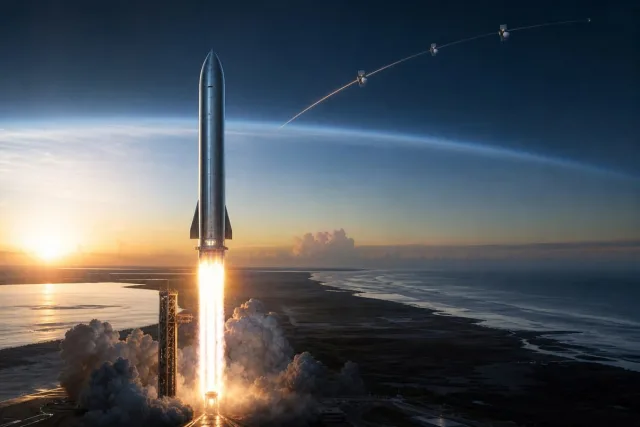
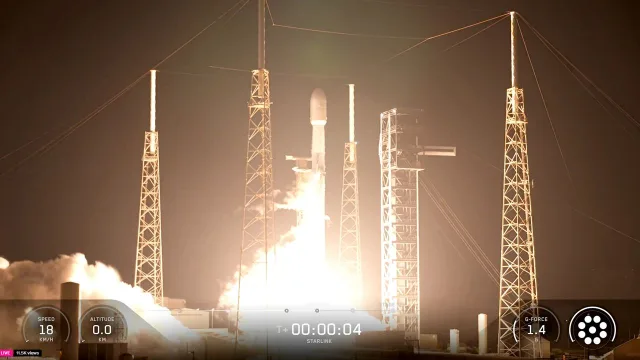
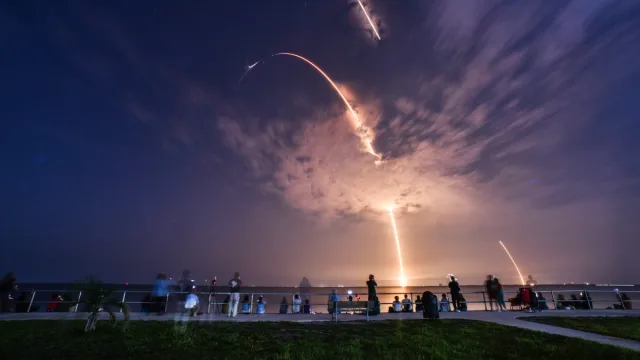
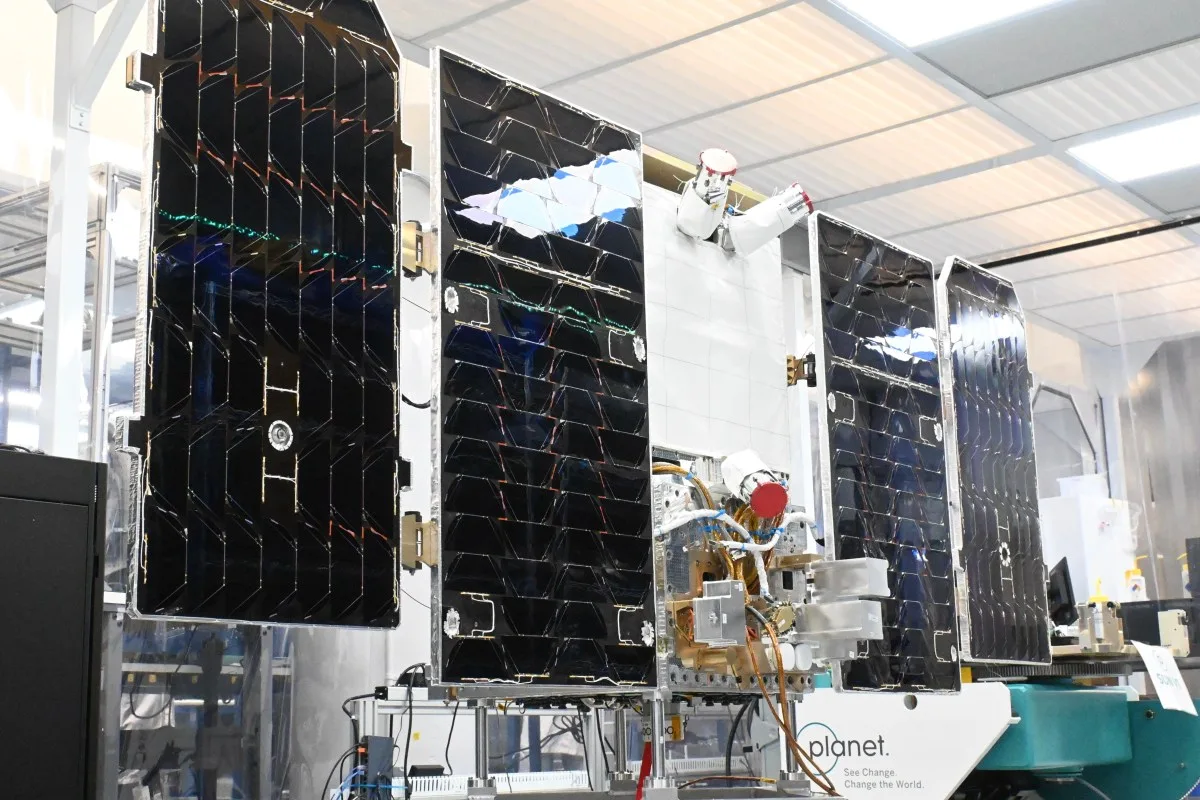
On October 1, 2026, a SpaceX Falcon 9 rocket carried Google’s Project Suncatcher into low-Earth orbit, marking the tech giant’s first direct test of AI hardware in space. The mission, described as a “moonshot” by Google executives, involves a refrigerator-sized satellite equipped with Tensor Processing Units (TPUs) designed to evaluate their performance under the extreme conditions of space. The satellite, built by Planet Labs, will run AI workloads in 15-minute bursts to manage heat and power constraints, with results expected to inform future orbital compute clusters.
The launch follows months of preparation, including ground testing at the University of California, Davis, where TPUs were exposed to simulated solar radiation and cosmic rays. Google reported that the chips “held up remarkably well,” though engineers remain cautious about long-term resilience. The satellite’s primary goal is to validate the feasibility of space-based AI infrastructure, a concept that has gained traction as terrestrial data centers face rising costs and environmental opposition.
| Detail | Information |
|---|---|
| Launch Date | October 1, 2026 |
| Launch Vehicle | SpaceX Falcon 9 |
| Primary Payload | Google’s Project Suncatcher satellite with TPUs |
| Testing Duration | One-year operational window |
| Thermal Management | 15-minute AI workload bursts to avoid overheating |
SpaceX’s Role and the 1,800-Launch Estimate
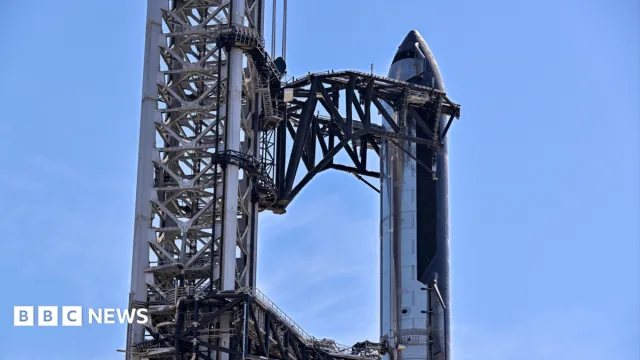
Google’s project hinges on SpaceX’s Starship program, which the company believes must complete 1,800 launches over a decade to reduce orbital data center costs to a viable level. This estimate, outlined in a peer-reviewed paper published in *Joule*, assumes a 20% annual cost reduction for SpaceX launches, driven by increased flight frequency. The research suggests that achieving $200 per kilogram launch prices by 2035 would require Starship to ferry 370,000 tons of payload into orbit over a decade, equivalent to 180 launches annually.
Despite the ambitious target, SpaceX’s current flight rate lags far behind this projection. The company has yet to exceed five launches in a single year, though Elon Musk has publicly speculated about hourly flight rates by 2029. Google’s Travis Beals, lead of Project Suncatcher, acknowledged the gap but emphasized that the company’s analysis is not an economic feasibility study. “We’re looking ahead to where workloads will be in five years,” he said, highlighting the need for infrastructure that can support future AI demands.
Technical Challenges and Environmental Concerns
Orbital data centers face significant hurdles, including heat dissipation, radiation exposure, and the environmental impact of rocket launches. Unlike Earth-based servers, which can use air or water cooling, space-bound hardware must rely on radiators and heat pipes, adding weight and cost. Google’s satellite includes a novel cooling system, but engineers admit it remains one of the heaviest components of the mission.
Experts also question the sustainability of space-based compute. While solar power is abundant in orbit, rocket launches rely on carbon-based fuels, and decommissioned satellites risk contributing to space debris. Astronomers have raised concerns about light pollution from orbital data centers, arguing that they could hinder ground-based observations. “There has to be a big payoff” to justify the costs, said Carnegie Mellon University’s Brandon Lucia, noting that repairs in space are far more complex than on Earth.
Competitors and Future Plans
Google is not alone in pursuing space-based AI infrastructure. Elon Musk’s SpaceX has announced plans to deploy “orbital AI compute satellites” by 2028, while startups like Starcloud have already tested AI hardware in space. OpenAI and xAI are also exploring similar concepts, though none have matched Google’s scale or technical specificity.
Google’s next step involves launching two additional satellites in 2027 to test laser-based communication between orbiting nodes. The company envisions a network of 81 satellites operating in parallel, though Beals cautioned that such a system would take “a long time” to develop. “It’s not going to be a completely straightforward journey,” he said, acknowledging that space data centers may coexist with terrestrial facilities for decades.
Frequently Asked Questions
How many SpaceX launches does Google estimate are needed for space data centers?
Google’s research suggests 1,800 SpaceX Starship launches over a decade to make orbital AI compute economically viable, based on projected cost reductions and payload requirements outlined in a peer-reviewed paper in *Joule*.
What challenges does Google face in testing AI chips in space?
The primary challenges include managing heat without airflow, protecting chips from radiation, and ensuring reliable power supply. The current satellite uses a cooling system with radiators, but engineers are exploring lighter, more efficient alternatives.
Will space-based data centers replace terrestrial ones?
Google’s Travis Beals stated that space and Earth-based data centers are likely to coexist for the foreseeable future, with each serving different use cases. He emphasized that orbital infrastructure may become more viable in the “really-long run” but not in the next five years.
As Project Suncatcher begins its year-long test, the broader implications of space-based AI remain uncertain. While Google’s initiative represents a bold step, the path to scalable orbital compute requires overcoming technical, economic, and environmental barriers. The next critical milestone will be the 2027 satellite launch, which could provide early insights into whether space data centers are a feasible solution for the future of AI.
How significant is this wire dispatch?
Cast your anonymous vote to register reader consensus across journalism and intelligence sectors.
Dateline Wire is dedicated to independent, evidence-backed reporting. This briefing was synthesized from primary source reporting, corroborated across independent newsrooms, and verified against our Editorial Standards.