Meta unveils camera-free Ray-Ban Meta Audio smart glasses
Meta has introduced a camera-free version of its Ray-Ban smart glasses to address surveillance concerns. The new Audio model prioritizes open-ear AI interaction and hearing assistance.
- Headline: Meta unveils camera-free Ray-Ban Meta Audio smart glasses
- Dispatch Summary: Meta has introduced a camera-free version of its Ray-Ban smart glasses to address surveillance concerns. The new Audio model prioritizes open-ear AI interaction and hearing assistance.
- Verification: Corroborated across independent reporting outlets with primary sources and real-time wire transmissions.
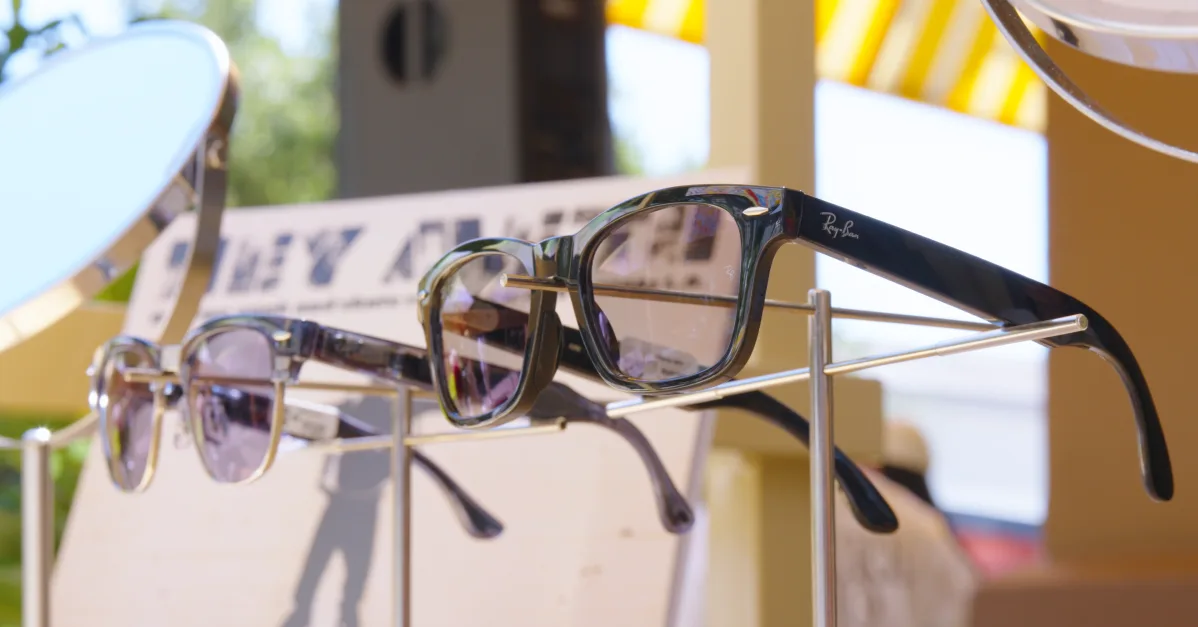
Meta has launched its first camera-free smart glasses, the Ray-Ban Meta Audio, as part of its broader strategy to address growing privacy concerns around wearable surveillance technology. The device, unveiled at Meta Connect 2026, marks a shift in the company’s approach to smart glasses, which have faced criticism for enabling covert recording and contributing to public distrust.
Camera-Free Design Aims to Alleviate Privacy Fears
The Ray-Ban Meta Audio glasses, priced at $349, eliminate visual recording capabilities entirely, focusing instead on audio-based interactions. Weighing 43 grams, the glasses are lighter than Meta’s camera-equipped models, such as the 69-gram Ray-Ban Meta Display. They feature two new frame styles — the retro-inspired Clubmaster and the rectangular Burbank — available in 23 color and lens combinations. Unlike earlier models, the Audio glasses prioritize open-ear audio, allowing users to listen to music, podcasts, and calls while remaining aware of their surroundings.
Meta’s decision to remove cameras aligns with public backlash against “pervert glasses,” a term used to describe smart glasses that could surreptitiously record others. The company has also introduced minor privacy updates, including a “private processing” system that restricts data access to Meta and third parties when end-to-end encryption is unavailable. Users can now opt out of having their visual data used for AI training, though audio-only queries remain part of the training process.
| Feature | Details |
|---|---|
| Weight | 43 grams (camera-free model) |
| Battery Life | 12 hours (up to 48 hours with charging case) |
| Price | $349 (camera-free), $449 (Gen 3 camera-equipped) |
| Audio Features | Open-ear listening, Dolby Atmos support, Muse AI integration |
| Privacy Measures | Private processing, opt-out for visual data, no camera |
Expansion of Smart Glasses Portfolio
While the camera-free model targets privacy concerns, Meta continues to sell its camera-equipped Ray-Ban Meta Gen 3 glasses, which include a 12 MP camera and 3K Ultra HD video capabilities. The Gen 3 lineup introduces new styles, such as the Aviator and Zena frames, and features a six-microphone array for improved call quality. These models start at $449, reflecting a price increase from the previous generation.
The company has also expanded its smart glasses offerings through collaborations with celebrities like Kylie Jenner and Lisa (of Blackpink), who have co-branded styles with unique color options and accessories. Additionally, Meta announced a new line of affordable “Meta Glasses” starting at $249, aimed at broader market appeal. The expanded portfolio includes over 100 styles, with plans to launch in more countries globally.
Muse AI and Hearing Assistance Features
The Ray-Ban Meta Audio glasses integrate Meta’s personal AI assistant, Muse, which allows users to ask questions, manage tasks, and interact with Meta’s AI ecosystem through voice commands. During a demo, Muse was shown assisting with grocery shopping and real-time translation, though its capabilities remain in early stages. The glasses also include an optional $149 hearing enhancement mode, certified by the FDA, which uses AI to amplify conversational tones for users with mild hearing loss.
Meta emphasized that the camera-free design reduces the risk of covert recording, but critics argue the company’s broader AI ambitions, such as facial recognition testing, could still raise privacy issues. The company has not confirmed whether it will roll out facial recognition to the Audio model.
Market Strategy and Public Perception
Meta’s strategy hinges on diversifying its smart glasses lineup to appeal to different demographics. The camera-free model targets users wary of surveillance, while the Gen 3 line caters to those seeking advanced features. The company also highlighted partnerships with EssilorLuxottica, Ray-Ban’s parent company, to expand prescription options and design flexibility.
Despite these efforts, public skepticism persists. Reports of “pervert glasses” have fueled regulatory scrutiny, particularly in Europe, where laws governing wearable surveillance are tightening. Meta’s decision to introduce a camera-free alternative may not fully mitigate these concerns, but it signals a recognition of the market’s evolving expectations.
Frequently Asked Questions
What is the price of the Ray-Ban Meta Audio glasses?
The Ray-Ban Meta Audio glasses start at $349, with an optional $149 hearing enhancement feature.
Do the camera-free glasses have any recording capabilities?
No, the Ray-Ban Meta Audio glasses do not include cameras or visual recording features. They focus on audio-based interactions and AI assistance.
How do the new glasses compare to Meta’s camera-equipped models?
The camera-free Audio model weighs 43 grams and offers 12 hours of battery life, while the Gen 3 camera-equipped glasses weigh up to 69 grams and have nine hours of battery life. The Gen 3 models include a 12 MP camera and 3K video capabilities.
The Ray-Ban Meta Audio glasses are available for pre-order starting October 13. As Meta continues to navigate the tension between innovation and privacy, the success of its camera-free line will depend on whether users perceive it as a genuine solution to surveillance concerns or merely a strategic pivot in an increasingly scrutinized market.
How significant is this wire dispatch?
Cast your anonymous vote to register reader consensus across journalism and intelligence sectors.
Dateline Wire is dedicated to independent, evidence-backed reporting. This briefing was synthesized from primary source reporting, corroborated across independent newsrooms, and verified against our Editorial Standards.