Macy’s Thanksgiving Day Parade postponed to Saturday due to severe weath…
For the first time in its history, the Macy's Thanksgiving Day Parade has been postponed to Saturday due to severe wind and storm threats in New York City.
The safety of our participants and spectators is our top priority, and after close consultation with our City and agency partners, we have made the decision to move this year's celebration,
Macy's said in a statement. That call, finalized by New York City officials, the NYPD, and Macy's executives, means America's most celebrated holiday procession will skip Thanksgiving Day entirely as a potent storm bears down on the Tri-State area.
The 100th Macy's Thanksgiving Day Parade is now rescheduled for Saturday, November 28, 2026, with an 8:30 a.m. start time. While past weather events have forced organizers to alter how the procession operates, historical records show this marks the first time the parade itself has been postponed since it began in 1924. The holiday tradition was previously suspended only during World War II, remaining on hiatus from 1942 through 1944. Organizers, performers, and millions of families now face a scramble of logistical changes as the storm threatens severe wind, heavy rain, and coastal flooding across the region.
Wind Warnings and Safety Thresholds for Giant Balloons
The immediate catalyst for the schedule change centers on wind physics and municipal safety rules adopted after dangerous incidents during past parades. In 1997, high winds caused a Cat in the Hat balloon to strike a lamppost, knocking part of it onto spectators, while similar trouble occurred in 2005. New York City regulations strictly prohibit large parade balloons from flying when sustained winds exceed 23 mph or wind gusts top 34 mph. New York City Emergency Management issued a high wind warning with gusts expected to reach 50 to 60 mph, and the strongest winds anticipated between 10 a.m. and 6 p.m. Thursday.
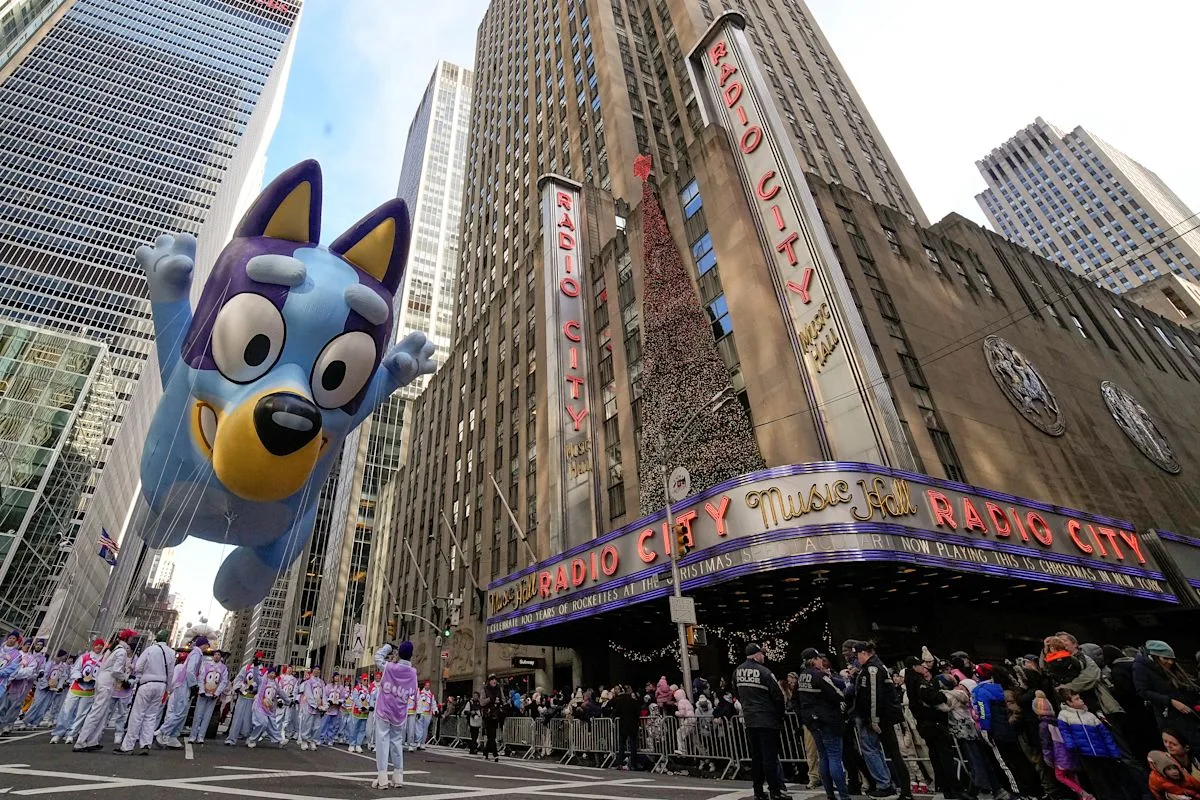
Those projections blew past the legal safety limits by a wide margin, forcing organizers to act before the inflatables became airborne hazards. According to an official announcement from Macy's, this year's landmark edition was planned as an ambitious spectacle. Trucks carrying balloons and floats had already arrived in Manhattan from New Jersey ahead of the traditional balloon inflation event on the Upper West Side, where characters including Pikachu and Eevee, Sorcerer Mickey Mouse, Earl the Squirrel, and Snoopy were set to be spread out along West 77th and West 81st streets.
Storm Tracking, Rainfall, and Coastal Flood Threats
The approaching storm promises a punishing combination of soaking rain and coastal hazards from Virginia up to New England. Rain is expected to arrive in New York City by late morning on Thanksgiving, with the worst conditions hitting Thursday afternoon and evening as periods of heavy rain, isolated thunder, and wind gusts of 40 to 50 mph sweep through. Rainfall totals of 1 to 3 inches may lead to localized flooding, while coastal flooding remains a severe concern during both the morning and evening high-tide cycles.
Emergency officials across the East Coast have mobilized resources to handle the fallout from the tempest. Officials said a State of Emergency has been issued for New Jersey, where coastal areas like Atlantic City faced a Thursday morning high tide forecast to reach 8.2 feet, just shy of the 9-foot record high. Jeanne Hengemuhle with the New Jersey State Police and State Director of Emergency Management urged travelers to understand the risks and take precautions early. Meanwhile, PSEG Long Island mobilized more than 500 personnel to respond to expected power outages as wind gusts of up to 60 mph threatened to bring down trees and branches across Long Island and the Rockaways.
Logistical Shifts for Performers, Broadcasters, and Spectators
Moving the massive celebration by two days creates immediate logistical puzzles for the hundreds of thousands of spectators, out-of-town visitors, and artists scheduled to participate. Rehearsals continued right up until the announcement, with a star-studded lineup featuring Queen Latifah, Keke Palmer, and Natasha Bedingfield. Broadcasters including NBC, Telemundo, and Peacock must recalibrate their holiday morning programming schedules to accommodate the weekend shift, while fans who traveled to Manhattan specifically for Thursday's spectacle must adjust their holiday itineraries.
City officials and utility leaders have emphasized public safety steps for residents weathering the storm:
- Secure loose outdoor items before the high winds arrive.
- Check on older neighbors and people with disabilities to ensure they have necessary supplies.
- Avoid driving on flooded roadways and find alternative routes or wait for water to recede.
- Report power outages directly to utility providers through mobile apps or text services, and treat all downed power lines as live.
A city official said the balloons will be deflated starting at 7 p.m. Wednesday and will be re-inflated on Friday afternoon.
What the First Postponement Means for a Century-Old Tradition
The decision to halt the Thanksgiving morning march underscores a tension between preserving deep-rooted cultural milestones and confronting increasingly volatile meteorological extremes. While the event has weathered severe elements before—such as 1971 when high winds grounded the balloons while the march continued, or 1989 when cheer and dance teams pulled the inflatables after a snowstorm blocked handlers—the sheer velocity of this storm left no safe margin for error. The 100th anniversary celebration will proceed on Saturday, Nov. 28, at 8:30 a.m., preserving the historic milestone.
That compromise protects participants and spectators from dangerous flying debris and power grid failures, yet it permanently alters the rhythm of Thanksgiving for generations of families who treat the broadcast as an immutable holiday anchor. By choosing postponement over cancellation, Macy's and city agencies have prioritized the safety of the spectacle over strict calendar adherence, setting a consequential precedent for how major urban events will manage severe weather threats in the future.