iPhone Duo Gains Camera Face Unlock in iOS 27.3 Beta 2
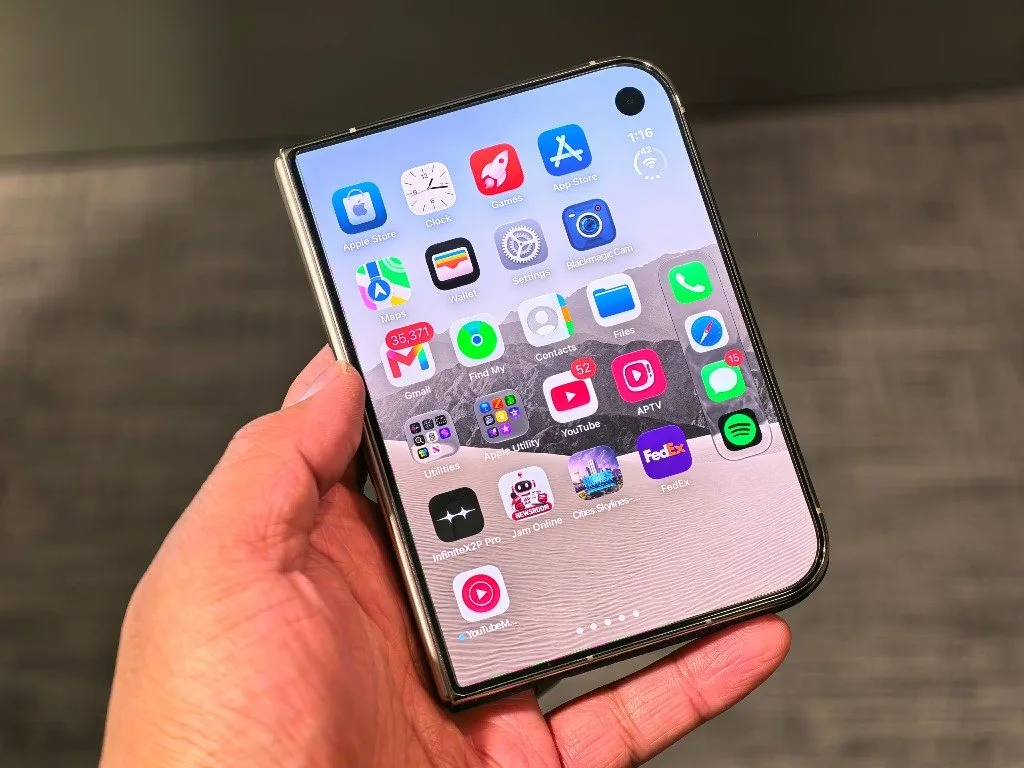
Apple is rolling out a software-based camera face unlock to the iPhone Duo in iOS 27.3 beta 2, providing a convenience feature with strict security limits.
iPhone Duo Gains Camera Face Unlock in iOS 27.3 Beta 2
Apple is rolling out a software-based camera face unlock to the iPhone Duo in iOS 27.3 beta 2, arriving alongside a major milestone of more than 200,000 apps now optimized for the foldable device, up from over 100,000 earlier in November according to TechCrunch. The update directly addresses early complaints about the ultra-thin foldable smartphone, which shipped without dedicated TrueDepth Face ID hardware due to space constraints in its slim chassis.
How Does Camera Face Unlock Work Without TrueDepth Hardware?
Because the first-generation iPhone Duo lacks the infrared sensors and depth-sensing projectors required for true 3D facial mapping, iOS 27.3 beta 2 relies strictly on the front-facing camera to recognize the user. Engadget confirmed in its testing that the feature works reasonably well on an iPhone Duo running the beta, noting that it unlocks faster than Touch ID and successfully resisted attempts to fool it with a photograph.
Apple warns users during setup that the feature provides convenience but isn't as secure as Touch ID or Face ID. Unlike mainstream iPhone models that have used Face ID since the iPhone X debuted in 2017, the Duo relies on a basic optical camera recognition system similar to older Android implementations. Furthermore, the feature only utilizes the outer front camera, as the inner under-display camera features a resolution that is likely too low for reliable recognition.
Video: Apple Just Added FACE UNLOCK to iPhone Duo 🤯 (iOS 27.3 Beta 2)
MacRumors (YouTube)
Unlike standard iPhones that project over 30,000 infrared dots to build a secure 3D map, the iPhone Duo's camera unlock is a purely software-driven convenience addition.
What Are the Security Limits and Restrictions?
To mitigate the security risks inherent in 2D optical camera recognition, Apple has placed strict guardrails around how the feature operates across the system. Users cannot use their face for sensitive actions or purchases. Specifically, the system enforces the following boundaries:
- Lock Screen only: The feature bypasses the Lock Screen, but cannot unlock individual apps.
- Apple Pay blocked: Authenticating financial transactions still requires Touch ID.
- Password protection: Saving or autofilling passwords and logins remains restricted to Touch ID or a passcode.
- Inactivity timeout: Camera unlock temporarily disables itself if the phone sits idle for more than 45 minutes, requiring a fresh fingerprint scan or passcode entry.
These restrictions ensure that malicious actors cannot easily compromise sensitive personal data or financial accounts simply by pointing the device at a user's face.
Why Is Apple Doing This Now and What Led Here?
When Apple released the iPhone Duo, its total reliance on a side-mounted Touch ID button drew sharp criticism from tech reviewers and users accustomed to glancing at their screens to unlock them. Bloomberg reports that Apple is already working to incorporate true under-display Face ID into prototypes for a second-generation iPhone Duo, though tight engineering schedules could push that hardware upgrade back to 2028.
In the interim, software engineers have deployed this camera-based workaround to appease early adopters. The approach mirrors Apple's strategy with the recently announced HomeView device, which also lacks Face ID and utilizes a simpler form of facial recognition to identify users and display personal content. Alongside this update, iOS 27.3 beta 2 introduces a native toggle under Display and Brightness in Settings that automatically locks the Duo when folded shut, replacing the user-created automation shortcuts early adopters previously relied upon.
What Else Comes in the iOS 27.3 Update?
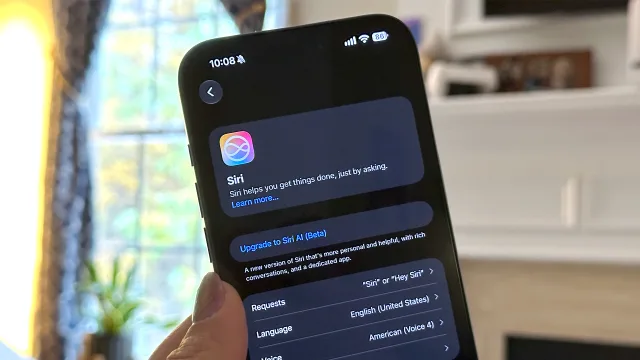
Beyond hardware workarounds for the foldable phone, the software package expands capabilities across Siri AI, Safari, and media apps. Idropnews reports that Siri AI gains an Ask About Page feature for Safari, allowing the voice assistant to analyze and summarize entire webpages beyond what is visible on the screen, such as filtering a restaurant menu without manual scrolling. Additional additions include video podcasts in Apple Podcasts via the Apple TV app, an Adaptive Dark Mode for Safari, and a redesigned Health app following its initial testing phase.
For international subscribers, Apple News+ gains expanded puzzle access, including daily quick crosswords, mini crosswords, and Sudoku for users in the U.K., Australia, and French-Canada. Meanwhile, developers and beta testers are evaluating these tools immediately.
When Will the Final Update Arrive for Public Users?
Apple stated last month that the public release of iOS 27.3 is scheduled for December, with Engadget noting a likely rollout in mid-December. Developers and beta testers currently have exclusive access to beta 2, but general users will receive the face unlock feature and folding lock toggle once testing concludes ahead of the winter launch.
Updated 1 time since publication; last update 17 November 2026, 13:31.