Lok Sabha Refers FCRA Amendment Bill to Joint Parliamentary Committee
The Lok Sabha has referred the contentious FCRA Amendment Bill, 2026, to a Joint Parliamentary Committee following intense opposition protests over proposed stricter foreign funding oversight.
- Headline: Lok Sabha Refers FCRA Amendment Bill to Joint Parliamentary Committee
- Dispatch Summary: The Lok Sabha has referred the contentious FCRA Amendment Bill, 2026, to a Joint Parliamentary Committee following intense opposition protests over proposed stricter foreign funding oversight.
- Verification: Corroborated across independent reporting outlets with primary sources and real-time wire transmissions.
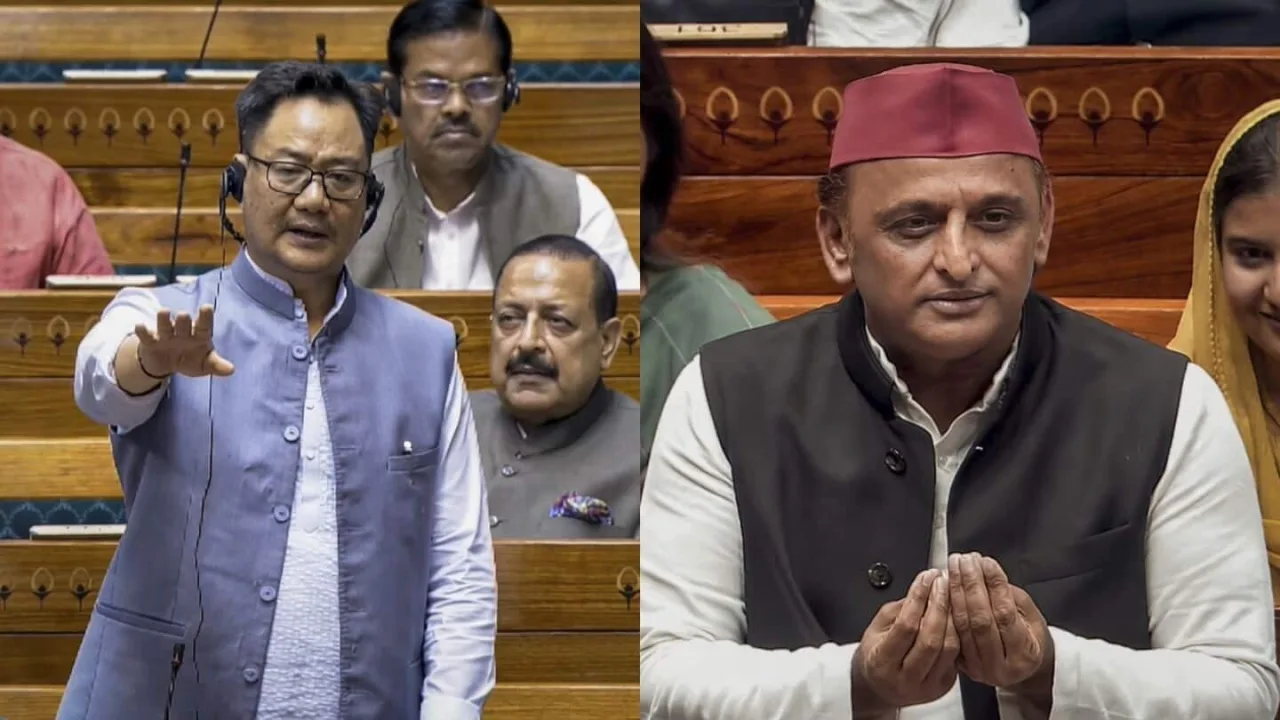
The Lok Sabha on Wednesday referred the contentious Foreign Contribution (Regulation) Amendment Bill, 2026, to a Joint Parliamentary Committee (JPC) of both Houses, following intense opposition protests and debates over its provisions. The motion, moved by Union Minister of State for Home Nityanand Rai, was adopted by voice vote after the House resumed proceedings following an adjournment. The decision came amid fierce objections from Opposition MPs, who accused the government of targeting minorities and non-governmental organizations (NGOs) through the proposed amendments.
The bill, which seeks to amend the Foreign Contribution (Regulation) Act, 2010, proposes stricter oversight mechanisms, including the creation of a Designated Authority to manage foreign contributions if an entity’s registration is revoked. It also sets a minimum utilization threshold of ₹10 lakh in foreign funds over two years for renewal, affecting organizations that receive or use smaller amounts. The legislation aims to enhance transparency and accountability in the use of foreign funds by organizations, according to official statements.
Opposition leaders, including Samajwadi Party chief Akhilesh Yadav, criticized the bill as part of a broader pattern of government actions against minorities. Yadav questioned, “Which bill has this government brought so far that was not against minorities?” He accused the government of attempting to suppress dissent through legislative measures. Parliamentary Affairs Minister Kiren Rijiju responded by challenging Yadav to identify any specific provision targeting minorities, asserting that the bill aimed to establish a legal framework for foreign funding rather than discriminate against any group.
The JPC, comprising 31 members (21 from the Lok Sabha and 10 from the Rajya Sabha), will scrutinize the bill’s provisions and submit its report by the last day of the first week of the 2026 Winter Session. The committee’s formation followed pressure from Opposition parties and concerns raised by Christian-majority state chief ministers, including Nagaland’s Neiphiu Rio and Mizoram’s Lalduhoma, who called for a thorough review. Meghalaya Chief Minister Conrad K Sangma also expressed reservations about the bill’s impact on religious and charitable organizations.
Opposition MP KC Venugopal demanded the bill’s withdrawal, arguing that it disproportionately targeted NGOs and minorities. However, Rijiju countered that the Opposition had previously advocated for the bill to be referred to a committee, stating, “If they have any reservations, they can speak in the JPC.” The government framed the move as a concession to ensure broader consultation, with BJP MP Jagdambika Pal describing the JPC process as a “threadbare discussion” to refine the legislation.
The bill has drawn international attention, with U.S. Congressman Riley Moore condemning it as “a clear attack against Christians” and warning of potential bilateral tensions. The proposed amendments would require NGOs, educational institutions, and religious bodies to register with the Ministry of Home Affairs, with stricter penalties for non-compliance. As of July, India had active FCRA registrations, highlighting the scale of organizations affected by the reforms.
The referral to the JPC reflects the government’s effort to balance legislative priorities with political pressures. While the Opposition continues to demand the bill’s withdrawal, the committee’s findings could shape the final version of the legislation. The outcome will have significant implications for the operations of NGOs, religious groups, and civil society organizations, as well as the broader debate over foreign funding regulations in India.
How significant is this wire dispatch?
Cast your anonymous vote to register reader consensus across journalism and intelligence sectors.
Dateline Wire is dedicated to independent, evidence-backed reporting. This briefing was synthesized from primary source reporting, corroborated across independent newsrooms, and verified against our Editorial Standards.