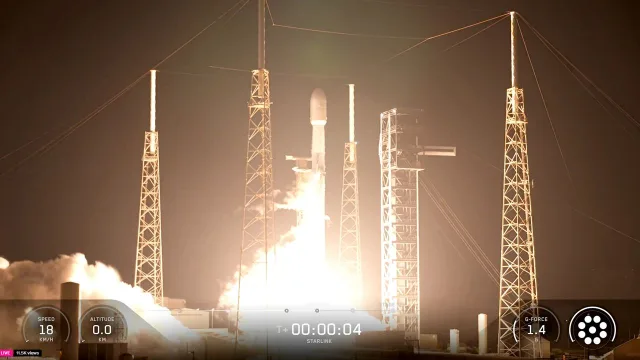
US military confirms first-ever deployment of weapons in space
The U.S. has acknowledged the operational presence of kinetic and non-kinetic space control weapons designed to defend against hostile actions in orbit.
US Confirms First-Time Deployment of Space Weapons
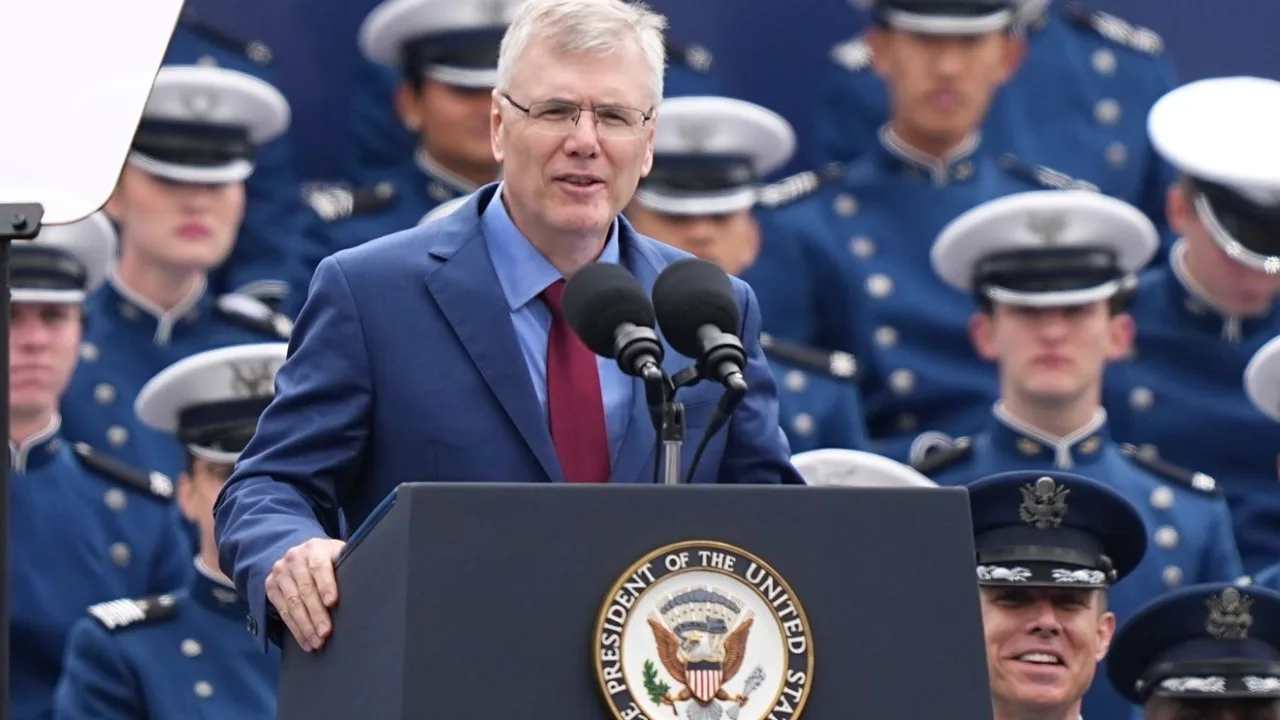
The United States has publicly acknowledged for the first time the deployment of weapons in space, a revelation that signals a major shift in military strategy and international relations. Air Force Secretary Troy Meink confirmed the existence of "on-orbit space control weapons" during a speech at the Air, Space, and Cyber Conference in Maryland on Monday, stating they are designed to defend U.S. and allied forces against hostile actions in orbit. The disclosure, reported by multiple outlets including The Guardian, CNBC, and cnycentral.com, marks the first time a senior U.S. official has explicitly verified the operational presence of such systems.
Meink emphasized that the weapons are part of efforts to counter "evolving threats" from rival nations, though he declined to specify their nature, location, or capabilities. "Today, we continue to ensure we remain ready to meet the challenges of evolving threats wherever they exist," he said. The Space Force later issued a statement clarifying that the systems can employ both "kinetic and non-kinetic means" for offensive or defensive purposes, but no further details were provided.
Context of the Announcement: Threats from Russia and China
The disclosure comes amid heightened tensions over space security, with the U.S. citing growing threats from Russia and China. Both nations have been developing anti-satellite technologies and space-based military capabilities, according to reports. In 2024, U.S. officials alleged that Russia was working on an anti-satellite system, while China has been expanding its space program, including the deployment of satellites capable of disrupting communications and navigation systems.
Meink’s remarks align with broader U.S. efforts to modernize its military infrastructure, particularly through the U.S. Space Force, established in 2019. The service has prioritized autonomous systems and "one-way attack drones" as future combat tools, with Meink predicting the Air Force will "look radically different" by 2032. The weapons deployment is framed as a response to the increasing reliance on satellite networks for civilian and military operations, which critics argue risks destabilizing the orbital environment.
International Reactions and Diplomatic Concerns
China and Russia have strongly criticized the U.S. announcement, calling for a halt to space militarization and warning of dangerous consequences. Chinese Foreign Ministry spokesperson Guo Jiakun stated that Beijing opposes "any attempt to weaponize space or transform it into a war zone," while Russian officials reiterated their stance on "complete demilitarization" of the domain. The 1967 Outer Space Treaty, which bans nuclear weapons and other weapons of mass destruction in orbit, does not explicitly prohibit conventional military systems, leaving room for countries to develop space-based capabilities without violating international law.
Experts have raised concerns about the potential for an arms race. Jonathan McDowell, an astronomer and satellite tracking expert, noted that the U.S. announcement could prompt Russia and China to accelerate their own space weapon programs. "After the announcement, Russia and China will now 'respond in kind' and deploy their own weapons," he said. Victoria Samson of the Secure World Foundation called the disclosure "a very destabilizing statement" that risks normalizing conflict in space.
Legal and Strategic Implications
The U.S. justification for the weapons deployment hinges on the need to protect critical infrastructure, such as satellites used for communication, navigation, and surveillance. However, the lack of transparency has fueled speculation about the nature of the systems. Some analysts suggest they could include signal jammers, kinetic interceptors, or other technologies capable of disabling or destroying enemy satellites. The Space Force’s statement that the systems "can be employed for offensive and defensive purposes" underscores the dual-use nature of such capabilities.
The 1967 treaty’s limitations have long been a point of contention. While it prohibits weapons of mass destruction, it does not address conventional systems, allowing nations to argue that their activities fall within legal bounds. This ambiguity has led to calls for new international agreements to regulate space militarization, a proposal China has repeatedly advocated. The U.S., however, maintains that it must retain "credible defensive capabilities" to counter emerging threats.
Frequently Asked Questions
What types of weapons has the U.S. confirmed are deployed in space?
The U.S. has not disclosed specific details about the weapons, referring only to "space control weapons" capable of both offensive and defensive operations. Officials described the systems as using "kinetic and non-kinetic means" to affect adversary capabilities, but no further information was provided.
Does the deployment of conventional weapons in space violate international treaties?
No, the deployment of conventional military systems does not violate the 1967 Outer Space Treaty, which bans weapons of mass destruction but does not prohibit other types of weapons in orbit. However, experts warn that the lack of clear regulations increases the risk of an arms race.
What are the potential consequences of this development?
The move has drawn criticism from China and Russia, who warn of an escalating space arms race. Experts like Jonathan McDowell and Victoria Samson have expressed concerns about the risks of orbital debris, increased militarization, and the normalization of conflict in space. The U.S. has not yet outlined plans for diplomatic engagement to address these concerns.
The U.S. confirmation of space weapons underscores a pivotal moment in the militarization of the final frontier. As Russia and China respond to the announcement, the international community faces a critical juncture in determining whether space will remain a domain of peaceful exploration or become a new theater for geopolitical conflict. The next steps—whether diplomatic negotiations, technological advancements, or further disclosures—will shape the future of space security in the years to come.
Dateline Wire is dedicated to independent, evidence-backed reporting. This briefing was synthesized from primary source reporting, corroborated across independent newsrooms, and verified against our Editorial Standards.