UK bans trade with Israeli West Bank settlements over ethnic cleansing
The United Kingdom has banned trade with goods from Israeli West Bank settlements, accusing settlers of ethnic cleansing while drawing condemnation from Israel and the US.
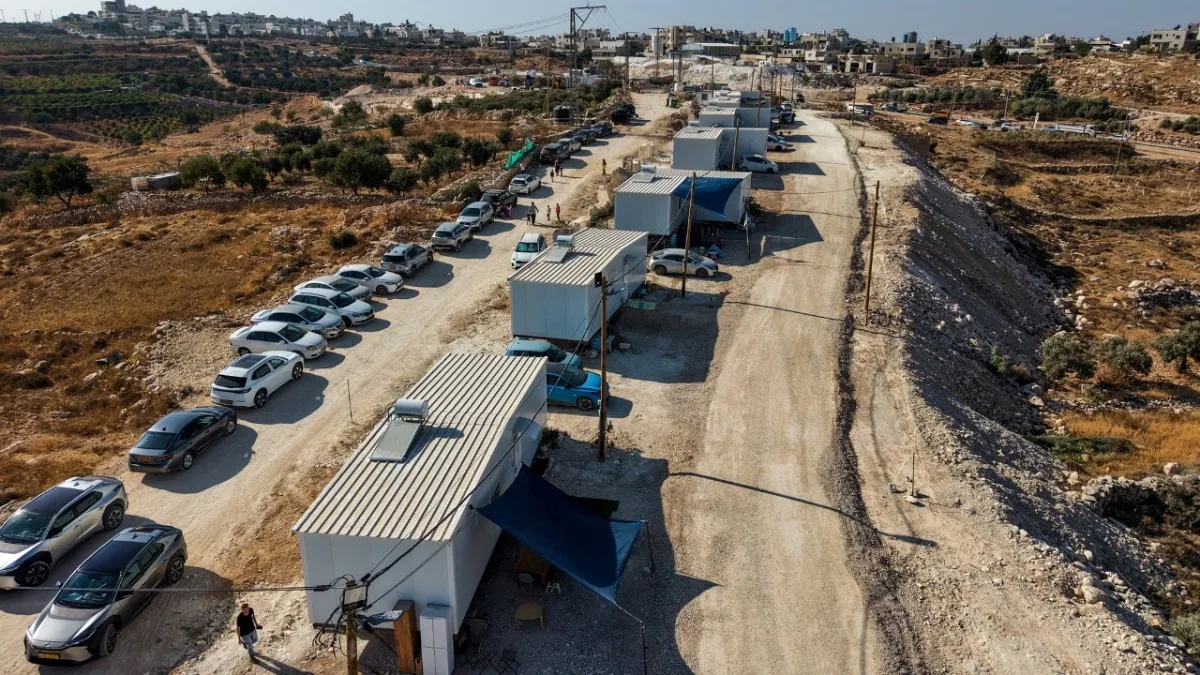
The United Kingdom has imposed a trade ban on goods from Israeli settlements in the West Bank, marking a significant escalation in its stance against settlement expansion and accusing settlers of committing ethnic cleansing. The move, announced by Foreign Secretary Ed Miliband on September 8, 2026, aligns the UK with France and Canada in targeting settlement activity, which they describe as a threat to the viability of a two-state solution. The ban, expected to take effect in six to nine months, prohibits imports of goods and services linked to settlements, including construction, financing, and real estate advertising.
UK’s Sanctions Target Settler Violence, Not State
The UK’s sanctions focus on networks involved in settler violence rather than the Israeli government itself, reflecting a strategic effort to isolate settlement activities without severing broader ties with Israel. Miliband emphasized that the measures aim to address “ethnic cleansing” by “settler terrorists,” citing instances of demolished homes, destroyed infrastructure, and displaced families in the West Bank. The policy also expands existing sanctions against Israeli entities linked to violence against Palestinians, including personal restrictions on individuals and a broader ban on arms exports that “materially contribute to the occupation.”
The decision follows years of international criticism of Israel’s settlement expansion, which the UK and most of the world consider illegal under international law. The E1 settlement project, approved by Israel’s government, has drawn particular scrutiny for its potential to divide the West Bank and undermine Palestinian statehood. Miliband described the project as a “grave threat” to the two-state solution, noting that settlement construction in the West Bank has surged under Prime Minister Benjamin Netanyahu’s ultranationalist government.
International Coordination and Limited Economic Impact
The UK’s move is part of a coordinated effort by 12 countries, including France, Canada, Denmark, Finland, and Sweden, to restrict trade with West Bank settlements. France’s Foreign Minister Jean-Noël Barrot cited “frenzied expansion of settlements” and “acts of terror” as drivers of the policy, though details of France’s restrictions remain pending. The Netherlands, Ireland, and Norway have already implemented similar measures, while Germany has resisted EU-wide action.
Despite the political significance, the economic impact of the sanctions is expected to be modest. Goods from settlements account for a small share of the UK’s £6 billion annual trade with Israel, with agricultural products like wine and fresh produce among the primary exports affected. The UK has stressed that the restrictions target settlements, not Israel as a whole, and has not imposed a full boycott of Israeli goods.
| Detail | Information |
|---|---|
| Trade Ban Timeline | Effective in 6–9 months |
| UK-Israel Bilateral Trade | £6 billion annually |
| Settlement-Related Exports | Agricultural products, wine, and fresh produce |
| Settlement Expansion | E1 project: 1,200 housing units east of Jerusalem |
Reactions: Israel and the U.S. Condemn, Critics Raise Concerns
Israel’s response has been swift and hostile. President Isaac Herzog called the UK’s decision “a grave miscalculation,” accusing it of interfering in Israel’s elections. Finance Minister Bezalel Smotrich demanded the expulsion of the British ambassador, while National Security Minister Itamar Ben-Gvir urged Netanyahu to close the UK’s consulate in East Jerusalem. Israeli Foreign Minister Gideon Saar warned that “if Britain acts against Israel, Israel will act against Britain.”
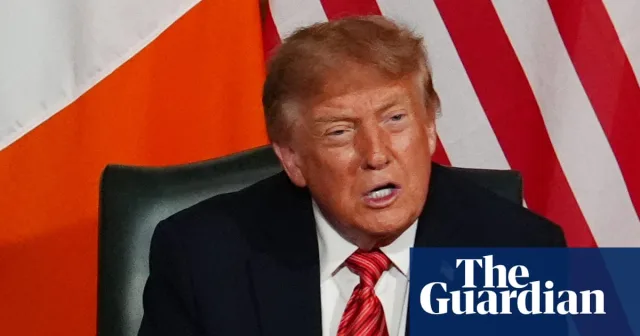
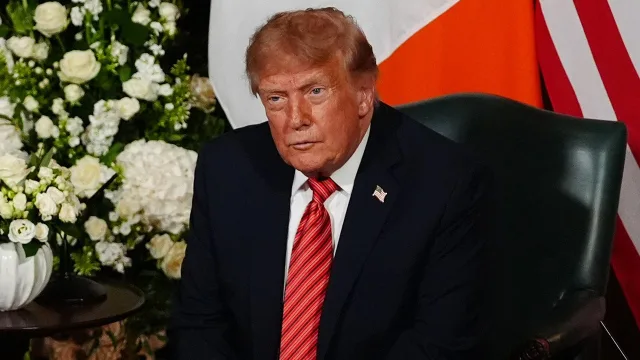
The U.S. has also expressed concern, with Ambassador Mike Huckabee labeling the sanctions “discrimination against the Jewish people” and warning of potential repercussions for British companies operating in U.S. states with anti-BDS laws. Florida Republican Rep. Randy Fines claimed the ban could jeopardize “billions of dollars” in trade between British and U.S. businesses. Despite these warnings, UK Prime Minister Andy Burnham reiterated the government’s commitment to a two-state solution, citing a call with former President Donald Trump to discuss regional stability.
Domestically, the policy has drawn both support and criticism. Labour lawmakers have praised the move as a moral imperative, while some Conservative MPs, including Sir Edward Leigh, have endorsed the sanctions as a defense of justice. However, shadow foreign secretary Tom Tugendhat cautioned that the ban could harm Palestinians working in the West Bank, arguing that the economies of Israel and Palestine are too interconnected to allow such measures to succeed.
Frequently Asked Questions
When will the UK’s trade ban on West Bank settlements take effect?
The ban on imports of goods from Israeli settlements is expected to be in place within six to nine months, according to Foreign Secretary Ed Miliband.
How will the sanctions impact UK-Israel trade?
The economic impact is anticipated to be limited, as goods from settlements account for a small portion of the UK’s £6 billion annual trade with Israel. Agricultural products and wine are among the primary exports affected.
What are the international reactions to the UK’s decision?
Israel has condemned the move, with officials threatening retaliation. The U.S. has warned of potential trade repercussions for British companies, while France, Canada, and other European nations have joined the UK in restricting settlement-related trade.
The UK’s sanctions mark a pivotal shift in its approach to the Israeli-Palestinian conflict, signaling a willingness to act against settlement expansion despite risks to diplomatic and economic relations. As the policy moves toward implementation, the next critical developments will include the U.S. response to potential trade tensions and the outcome of Israel’s upcoming elections, which could influence the broader geopolitical landscape. The international community will be closely watching whether this coordinated effort can alter the trajectory of settlement growth and bring renewed momentum to the two-state solution.
Dateline Wire is dedicated to independent, evidence-backed reporting. This briefing was synthesized from primary source reporting, corroborated across independent newsrooms, and verified against our Editorial Standards.