Israel to close British consulate in Jerusalem over sanctions
Israel has shut down the British consulate in East Jerusalem and banned 12 British nationals in response to sanctions on West Bank settlements.
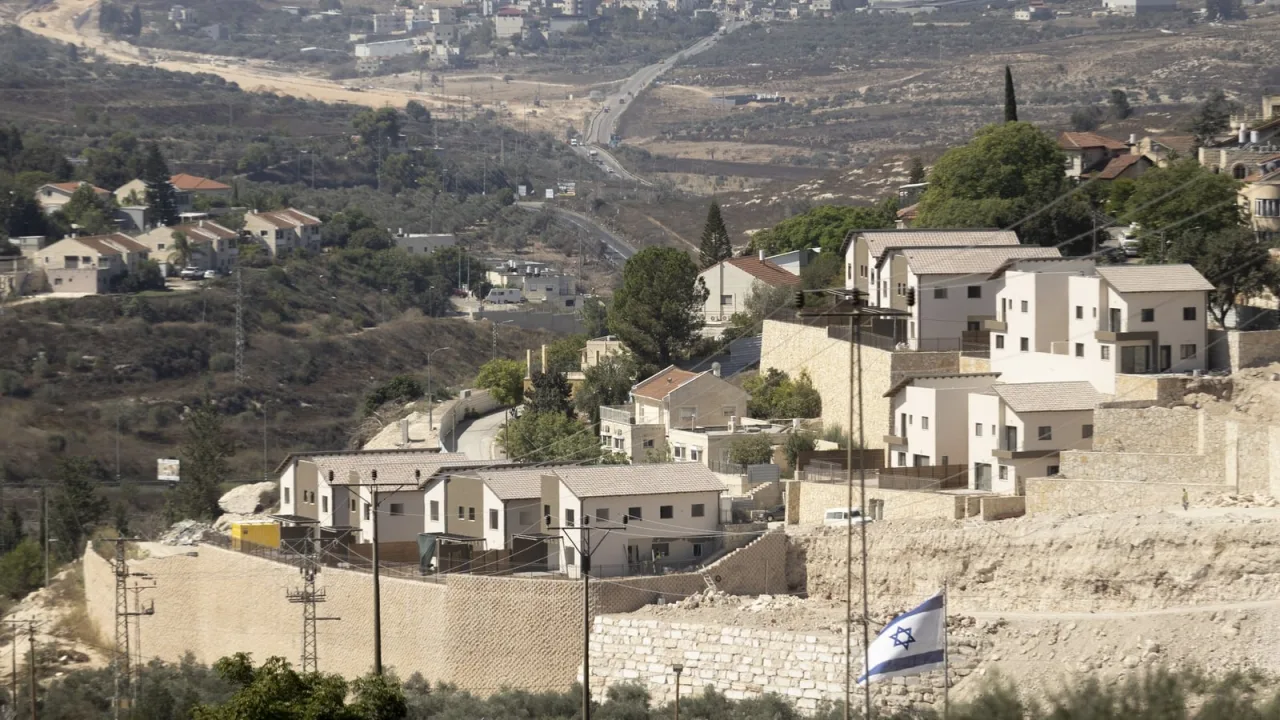
Israel Closes British Consulate in Jerusalem Over Sanctions on Settlers
Israel has announced the closure of the British consulate in East Jerusalem, marking a sharp escalation in tensions following sanctions imposed by the UK, France, and Canada on goods from Israeli settlements in the West Bank. The move comes after 12 countries, including Ireland, Spain, and several Nordic nations, pledged to restrict trade with settlements, which they describe as illegal under international law and a threat to the two-state solution.
The decision by Israeli Foreign Minister Gideon Saar to shut the consulate and bar 12 British nationals, including former Labour leader Jeremy Corbyn, underscores the deepening rift between Israel and its Western allies. The UK’s sanctions, announced by Foreign Secretary Ed Miliband, include an import ban on goods from settlements, restrictions on companies providing services to settlers, and a halt to British training of Palestinian Authority forces in the West Bank.
Sanctions Target Settlements as 'Illegal Under International Law'
The UK, France, and Canada joined a coalition of 12 nations in condemning Israel’s settlement expansion as a direct threat to the two-state solution. In a joint statement, the foreign ministers of Denmark, Finland, Iceland, Ireland, Norway, Poland, Portugal, Spain, and Sweden pledged to introduce or support trade restrictions on settlements, which they called “illegal under international law.”
The sanctions follow weeks of escalating violence by Israeli settlers against Palestinian villages, including the E1 settlement plan, which would further isolate East Jerusalem from the West Bank. Miliband accused the Israeli government of “turning a blind eye” to what he termed “ethnic cleansing” by settlers, while the Palestinian Authority called the measures a “significant step toward accountability.”
| Country | Action |
|---|---|
| UK | Import ban on settlements, sanctions on companies aiding settlement expansion, halt to Palestinian security training |
| France | Plan to end trade with settlements; joint statement with 11 other nations |
| Canada | Sanctions on settlements; joint statement with 11 other nations |
| Ireland | Already restricted trade with settlements |
| Spain | Already restricted trade with settlements |
| Nordic nations (Denmark, Finland, Iceland, Norway, Sweden) | Planned restrictions or support for sanctions |
Israel's Retaliation: Banning British Nationals and Ending Coordination
Israel’s response has been swift and pointed. Saar accused the UK of “systematically working against the state of Israel” and declared that Britain would no longer participate in the US-led Gaza coordination mission. The Israeli government also banned 12 British nationals, including Corbyn and Labour MP Diane Abbott, from entering the country. The move mirrors similar actions against European officials and activists critical of Israel’s policies.
The sanctions have drawn strong criticism from Israeli leaders. Finance Minister Bezalel Smotrich called for the expulsion of the British ambassador, while President Isaac Herzog warned that the UK’s actions risked “a grave miscalculation.” US Ambassador Mike Huckabee described the sanctions as “discrimination against the Jewish people,” and Israeli Prime Minister Benjamin Netanyahu vowed to continue settlement expansion despite international pressure.
Palestinian Authority Welcomes Sanctions as 'Accountability'
The Palestinian Authority (PA) welcomed the sanctions as a long-overdue step to hold Israel accountable for its occupation. In a statement, PA President Mahmoud Abbas’s office called the measures “an important practical step toward accountability” and emphasized that settlements “undermine the possibility of a two-state solution.”
The PA’s support aligns with broader international concerns about the humanitarian impact of settlement expansion. Over 500,000 Israelis live in West Bank settlements, while more than 3 million Palestinians reside in the territory. The UK’s trade with the occupied territories amounts to just £38 million annually, raising questions about the economic impact of the sanctions, which many analysts view as symbolic but politically significant.
Frequently Asked Questions
Why are countries sanctioning Israeli settlements?
Twelve nations, including the UK, France, and Canada, have imposed sanctions on goods from Israeli settlements in the West Bank, citing their illegality under international law and their threat to the two-state solution. The measures aim to pressure Israel to halt settlement expansion and address settler violence against Palestinians.
What is the impact of the UK’s sanctions on trade?
The UK’s sanctions target imports from settlements, which constitute a small fraction of Israel’s total exports, primarily agricultural products. While the economic impact is limited, the measures are symbolic, reflecting a shift in UK policy toward greater accountability for Israel’s occupation.
How has Israel responded to the sanctions?
Israel has closed the British consulate in East Jerusalem, banned 12 British nationals, including Jeremy Corbyn, and halted UK training of Palestinian Authority forces. Israeli leaders have condemned the sanctions as interference in sovereign affairs, with some calling for the expulsion of the British ambassador.
The standoff highlights the growing international isolation of Israel over its policies in the West Bank. While the UK and its allies frame the sanctions as a necessary step to uphold international law, Israeli officials and their US allies view them as politically motivated and counterproductive. The next critical test will be whether the EU follows suit, with France’s push for a unified response facing resistance from some member states. Meanwhile, the PA and Palestinian communities continue to call for greater global action to end the occupation and secure a viable two-state solution.
Dateline Wire is dedicated to independent, evidence-backed reporting. This briefing was synthesized from primary source reporting, corroborated across independent newsrooms, and verified against our Editorial Standards.