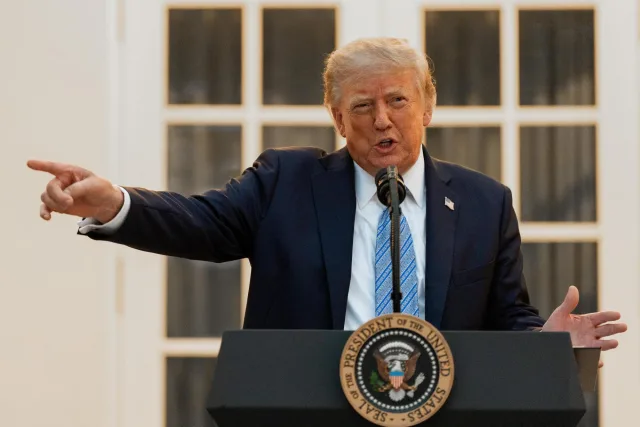
US TV networks suspend White House pool coverage over Trump media ban
Major US television networks have suspended shared coverage of presidential events after the White House barred CNN, Politico, and MS Now from its grounds.
- Headline: US TV networks suspend White House pool coverage over Trump media ban
- Dispatch Summary: Major US television networks have suspended shared coverage of presidential events after the White House barred CNN, Politico, and MS Now from its grounds.
- Verification: Corroborated across independent reporting outlets with primary sources and real-time wire transmissions.
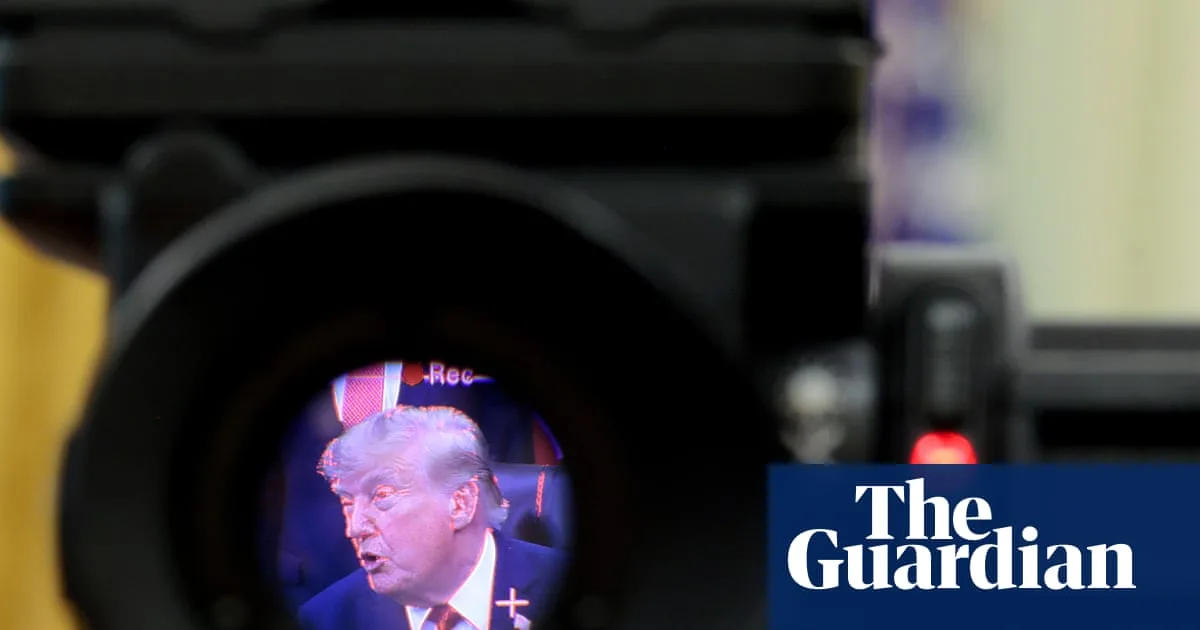
Networks halt shared White House coverage in response to Trump’s media restrictions
Major US television networks suspended shared coverage of President Donald Trump’s events on Monday, citing the White House’s decision to bar CNN from its grounds as the designated pool broadcaster. The move, involving ABC, CBS, Fox News, and NBC, marked a rare collective action by broadcast networks to withhold live coverage of the president, leaving viewers without audio during key events.
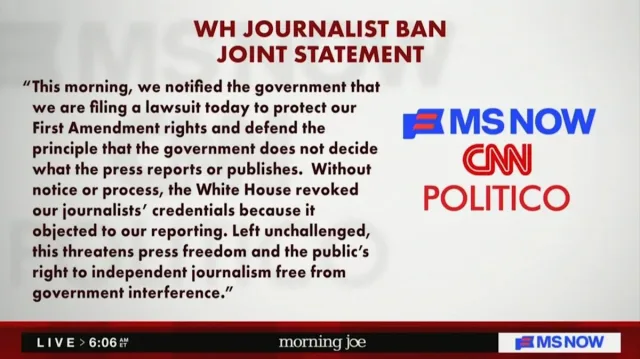
The suspension followed Trump’s Friday announcement barring CNN, Politico, and MS Now from the White House, which he claimed engaged in "fake news" and "far left propaganda." The administration denied access to reporters from the three outlets, prompting immediate legal action. On Monday, the networks that previously rotated as the TV press pool—now excluding CNN—declined to cover events, stating their refusal was in solidarity with the banned outlets.
| Detail | Information |
|---|---|
| Networks involved in pool coverage | ABC, CBS, CNN, Fox News, NBC |
| Date of White House ban | Friday, 2026-09-18 |
| Legal action filed | CNN, Politico, and MS Now sued for unconstitutional viewpoint discrimination |
| Key statement from networks | "No administration should restrict a news organization because it objects to its reporting." |
Pool coverage disrupted during Trump’s UN trip
The suspension directly impacted coverage of Trump’s travel to New York for the United Nations General Assembly. CNN, which was scheduled to provide live footage for the trip, was excluded from the pool, and the remaining networks refused to step in. As a result, viewers watching the White House feed during a midday ribbon-cutting ceremony heard only the sound of a helicopter engine, with no audio of Trump’s remarks.
Bryan Boughton, Fox News’s Washington bureau chief and acting chair of the TV pool consortium, stated in an email to members that "the TV pool will not be covering events designated as pool coverage of the President." He emphasized that the decision followed the White House’s exclusion of CNN from its assigned duties. The networks clarified that print, radio, and wire service pools would continue operating, but broadcast coverage would remain suspended.
The move drew condemnation from press freedom advocates, who argued that the administration’s actions threatened the public’s right to independent reporting. A joint statement from the networks and CNN asserted that "the public has a vital interest in receiving accurate, independent information about its government."
Trump defends ban as 'basic fairness,' critics call it press suppression
JD Vance, Trump’s vice presidential pick, defended the media restrictions during a campaign event in North Carolina, calling them "totally appropriate." He claimed the ban targeted outlets that engaged in "far left propaganda" rather than genuine journalism. "They can still report. They still have access to free speech," Vance said, adding that the administration was not "instituting an assault on the Free Press."
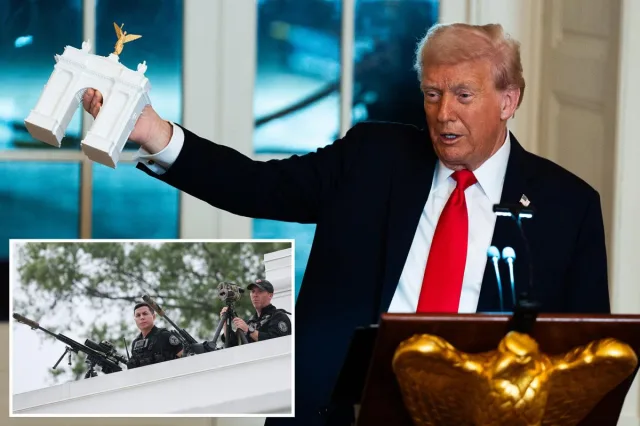
Trump himself reiterated his stance on social media, framing the ban as a response to "national security" threats. He cited recent actions, including the construction of a "triumphal arch" and expanded ballroom at the White House, as justifications for restricting access. However, critics argued that the move disproportionately targeted outlets critical of his policies, with the lawsuit alleging "viewpoint discrimination" under the First Amendment.
The administration’s actions have escalated tensions between the White House and media organizations. On Monday, the Washington Post also announced it would withhold photographs of presidential events until after midnight eastern time to support banned outlets. The dispute has sparked broader debates about the boundaries of press freedom and the role of the White House in regulating access to its events.
Frequently Asked Questions
How long will the TV pool suspension last?
The suspension is currently in effect for events where CNN would have provided coverage. NBC indicated that the pool has not committed to extending the suspension beyond Monday, but the situation remains fluid.
What legal claims are the banned outlets making?
CNN, Politico, and MS Now allege that the White House’s ban violates the First Amendment by restricting access based on the outlets’ reporting. They seek a temporary restraining order to restore press credentials and challenge the administration’s authority to exclude media.
Why did Trump ban the outlets?
Trump claimed the banned outlets engaged in "fake news" and "far left propaganda," accusing them of publishing "lies" and failing to represent "public opinion." He framed the restrictions as a measure to ensure "basic fairness" in access to the White House.
The next critical development will likely center on the federal court’s response to the lawsuit, as well as whether the White House lifts or expands its restrictions. Meanwhile, the networks’ decision to withhold coverage has underscored the growing divide between the administration and media organizations, raising questions about the future of press access in a polarized political climate.
How significant is this wire dispatch?
Cast your anonymous vote to register reader consensus across journalism and intelligence sectors.
Dateline Wire is dedicated to independent, evidence-backed reporting. This briefing was synthesized from primary source reporting, corroborated across independent newsrooms, and verified against our Editorial Standards.