MS NOW journalists denied entry to White House following Trump media ban
Journalists from MS NOW and CNN were denied entry to the White House on September 19, 2026. The move has been condemned by the White House Correspondents’ Association and press freedom advocates.
- Headline: MS NOW journalists denied entry to White House following Trump media ban
- Dispatch Summary: Journalists from MS NOW and CNN were denied entry to the White House on September 19, 2026. The move has been condemned by the White House Correspondents’ Association and press freedom advocates.
- Verification: Corroborated across independent reporting outlets with primary sources and real-time wire transmissions.

President Donald Trump’s announcement on September 18, 2026, to ban MS NOW, CNN, and Politico from the White House triggered immediate fallout, with journalists from the first two outlets reporting they were turned away from the complex on September 19. The move, framed by Trump as a response to “fake news,” has intensified debates over press freedom and the limits of executive authority over media access.
Trump’s Ban and Immediate Reactions
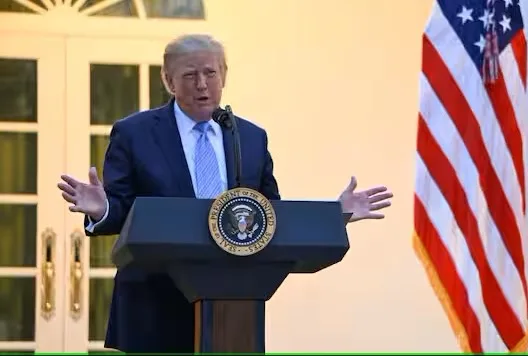
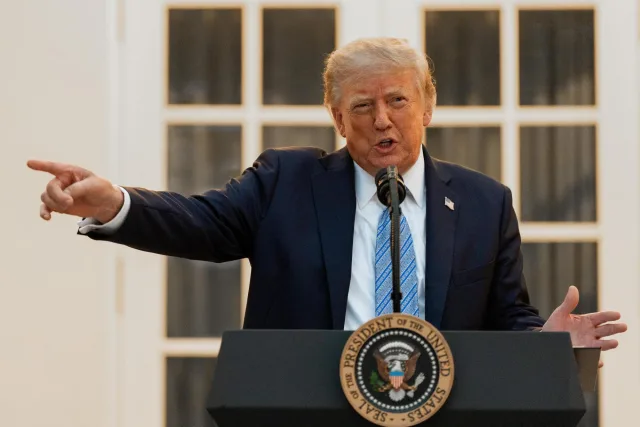
On Friday, Trump declared on his social media platform, Truth Social, that he was “banning Fake News CNN, MSNOW, and Politico from the White House as a result of their constant ‘reporting’ FAKE NEWS!” He later reiterated the claim during a press availability, stating, “You get so tired of reading and seeing fake news. When you look at CNN, it’s just fake. That’s why their ratings are no good.”
The following day, MS NOW journalists reported being denied entry to the White House grounds. Akayla Gardner, the network’s White House correspondent, said she was turned away after her press badge was disabled by Secret Service officers. A producer was allowed to enter, but a photographer’s badge was also confiscated. “The decision ‘was above him,’ an officer told me,” Gardner said on air, according to reports.
CNN’s Betsy Klein was also denied access, with her press pass seized, according to The Independent. However, the network did not immediately confirm whether other journalists faced similar restrictions. Politico, which typically does not have reporters on site during weekends, was not directly impacted by the ban on September 19.
Constitutional and Legal Context
Legal experts and press freedom organizations have criticized the ban as a potential violation of the First Amendment, which guarantees the right to free speech and a free press. A 1977 court ruling, *Sherill v. Knight*, established that “bona fide journalists” cannot be excluded from White House press facilities unless they pose a physical threat to the president or their family.
The White House Correspondents’ Association condemned the move, stating, “The constitution protects the freedom of the press from government interference. That protection does not depend on whether the president likes a news organization’s coverage.” The Guardian reported that CNN and Politico both issued statements affirming their right to cover the administration, with CNN warning that the ban could violate the law.
Trump’s administration has a history of restricting media access. In 2025, the Associated Press was barred from certain White House events after refusing to use the name “Gulf of America” instead of “Gulf of Mexico.” The AP filed a lawsuit, which remains unresolved.
Broader Implications for Press Freedom
The ban has reignited concerns about the erosion of press freedoms under Trump’s leadership. Jim Acosta, a former CNN reporter, called the move “a slippery slope” and urged media outlets to collectively resist by suing the administration. PEN America, a press freedom group, criticized Trump for conflating criticism with “fake news,” stating, “This administration’s hostility toward the press is never about the accuracy of news stories, but about its inability to withstand scrutiny.”
MS NOW’s statement emphasized its commitment to defending “the essential role of independent journalism in our democracy,” while The Guardian noted that the ban has “thrown into stark relief Trump’s attack on press freedom in the US.” The network also highlighted that the White House, funded by taxpayer dollars, belongs to the American people.
| Detail | Information |
|---|---|
| Banned Outlets | MS NOW, CNN, Politico |
| Date of Ban Announcement | September 18, 2026 |
| Date of Journalists’ Denial | September 19, 2026 |
| Legal Basis for Access | 1977 *Sherill v. Knight* ruling |
| Previous Media Restrictions | 2025 AP Gulf of Mexico naming dispute |
Unanswered Questions and Next Steps
Key questions remain about the scope and legality of the ban. It is unclear whether the restrictions apply to all White House events or only specific locations, such as the West Wing. Additionally, the administration has not provided a clear process for appealing the decision, leaving journalists in a legal and logistical limbo.
CNN and Politico have not yet filed formal complaints, but legal experts suggest that challenges could emerge if the ban is enforced broadly. The White House has not commented on whether the restrictions will be lifted or modified, and Trump has not elaborated on what specific “fake news” content prompted the action.
Frequently Asked Questions
What outlets were banned from the White House?
President Trump announced on September 18, 2026, that MS NOW, CNN, and Politico were banned from the White House, citing “fake news” coverage.
Were all journalists from banned outlets denied access?
MS NOW and CNN journalists reported being turned away on September 19, 2026. Politico typically does not cover the White House on weekends, so its staff was not directly affected.
What legal challenges could arise?
The ban could face legal scrutiny under the First Amendment and the 1977 *Sherill v. Knight* ruling, which limits restrictions on press access to the White House. CNN and Politico have not yet filed lawsuits but have stated they will defend their rights.
The situation underscores the ongoing tension between executive authority and press freedoms in the United States. As legal and political battles unfold, the next steps will hinge on whether the ban is expanded, challenged in court, or withdrawn, with significant implications for the future of independent journalism.
How significant is this wire dispatch?
Cast your anonymous vote to register reader consensus across journalism and intelligence sectors.
Dateline Wire is dedicated to independent, evidence-backed reporting. This briefing was synthesized from primary source reporting, corroborated across independent newsrooms, and verified against our Editorial Standards.