Judo star Teddy Riner announces bid for French presidency
Olympic judo legend Teddy Riner has announced his candidacy for the 2027 French presidential election, positioning himself as a political outsider.
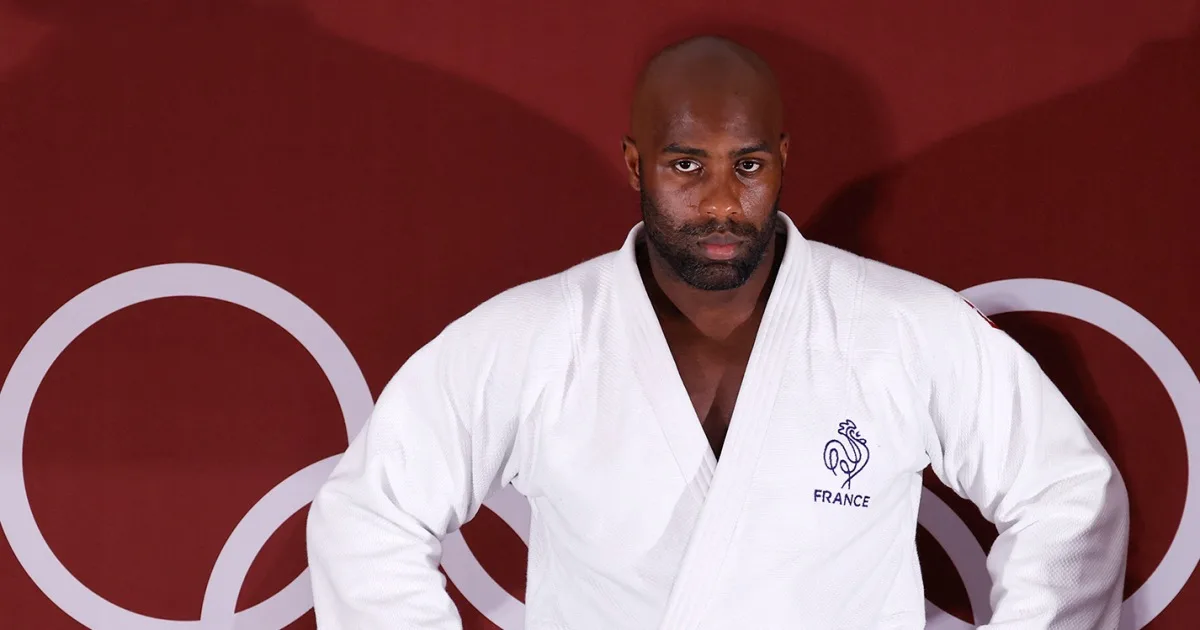
Five-time Olympic champion Teddy Riner has stunned French politics by announcing his candidacy for the presidency in the 2027 election. Standing 6 feet 8 inches tall and weighing in as a heavyweight judo legend, the 37-year-old athlete made his declaration via a social media video and an extensive interview with the daily newspaper Le Parisien on Monday. Riner enters a fractured political landscape at a time when incumbent leader Emmanuel Macron is ineligible to stand again after serving two consecutive terms, setting up an April contest where public anxiety runs high over wages, student protests, and political extremism.
That leaves the centrist establishment and the traditional parties facing an unorthodox challenger who commands immense national popularity and holds 11 world championship golds alongside his Olympic triumphs. Riner, who was born in Guadeloupe and grew up in Paris, insists he belongs to neither the left nor the right, positioning himself instead as a unity candidate. That outsider status is both his primary appeal and his biggest hurdle as he prepares to navigate a system that requires 500 sponsorship signatures from elected officials before any name appears on a presidential ballot.
From the Tatami to the Campaign Trail
Riner built his global reputation on the judo mat, securing three individual Olympic golds in the men's +100kg category at London 2012, Rio de Janeiro 2016, and Tokyo 2020, followed by two more golds in the mixed team events at Tokyo 2020 and Paris 2024. His medal haul also includes two individual bronzes, bringing his total Olympic count to seven, alongside nine heavyweight world titles and two openweight world crowns. Yet he maintains that his citizenship outweighs his athletic credentials, pointing out that he first hinted at a political transition last year when he stated that his goal in public life would not be a ministerial post but the presidency itself.
The inspiration for this career shift struck him during the Paris 2024 Olympic Games, where he also served as a torchbearer and lit the cauldron during the opening ceremony alongside retired sprinter Marie-Jose Perec. I saw a whole country come together, proud, happy,
Riner told Le Parisien. I thought to myself, what we have been able to do for 15 days, we must be able to do for the country.
My name is Teddy Riner and today, I am telling you face to face: I am a candidate in the 2027 presidential election.
Teddy Riner, candidate
A Tense Political Climate and Divided Electorate
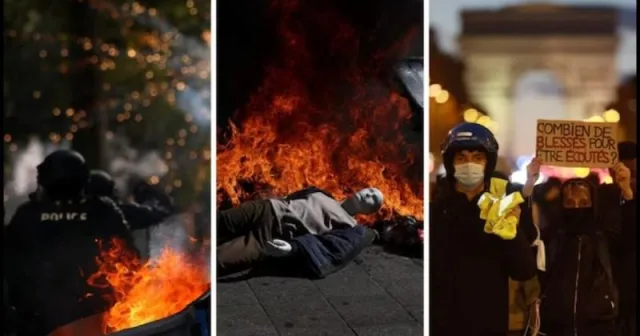
Riner enters the race as France experiences deep social strain. Protest marches have drawn huge crowds in Paris and across the country for weeks as demonstrators demand higher wages and support a student protest movement, piling pressure on the government. Opinion polls place nationalist Marine Le Pen, leader of the far-right National Rally, as the front-runner to replace Macron. Hard-left leader Jean-Luc Melenchon of La France Insoumise holds second place in surveys, with an IFOP poll for LCI conducted between October 27 and October 29 showing Le Pen backed by 36% of respondents and Melenchon at 17.6%.
The candidate's entry has already drawn friction with the political establishment. Last September, Riner publicly expressed alarm over the rise of the far right during an appearance on the French sports television show Stade 2, where he admitted he was “freaked out” by extremism and specified the far right when asked about political extremes. That prompted online racial abuse that French authorities investigated, as well as a public dismissal from National Rally MP Julien Odoul, who posted on social media: Poor kid. Everything’s going to be fine, Teddy!
Riner told Le Parisien that refusing to remain a spectator was the only responsible path.
The Hurdles Facing an Athletic Outsider
Riner acknowledges that his lack of political experience will invite skepticism from voters and rivals alike. I expect some people to call it madness, given that I have no previous political career or strong political relationships,
he told Le Parisien. But if refusing to give in to pressure and refusing to accept chaos makes me mad, then yes, I am completely mad.
He insists that his campaign will offer common sense and kindness rather than professional political lectures.
French law imposes strict procedural barriers on presidential hopefuls. To officially stand as a candidate, Riner must gather 500 sponsorship signatures from elected officials across the country. Precedents for elite athletes entering French governance exist—most notably fellow judoka David Douillet, who won election to parliament in 2009 and served as sports minister from September 2011 to May 2012—but none have made a direct leap from active competition to the presidency. Riner has also made clear that his political ambitions do not spell an immediate retirement from sport, stating he intends to qualify for the Los Angeles Games in 2028 if my duties as president allow it and the French people give me their blessing.
The election to decide Emmanuel Macron's successor takes place in April of next year, leaving Riner just under six months to secure his required signatures, build an organizational apparatus, and test whether his massive public goodwill can translate into actual votes against entrenched party machinery.