Raye wins 2026 Mercury prize for This Music May Contain Hope
Raye has won the 2026 Mercury Prize, taking home the £25,000 award in Newcastle for her second studio album, This Music May Contain Hope.
- Headline: Raye wins 2026 Mercury prize for This Music May Contain Hope
- Dispatch Summary: Raye has won the 2026 Mercury Prize, taking home the £25,000 award in Newcastle for her second studio album, This Music May Contain Hope.
- Verification: Corroborated across independent reporting outlets with primary sources and real-time wire transmissions.
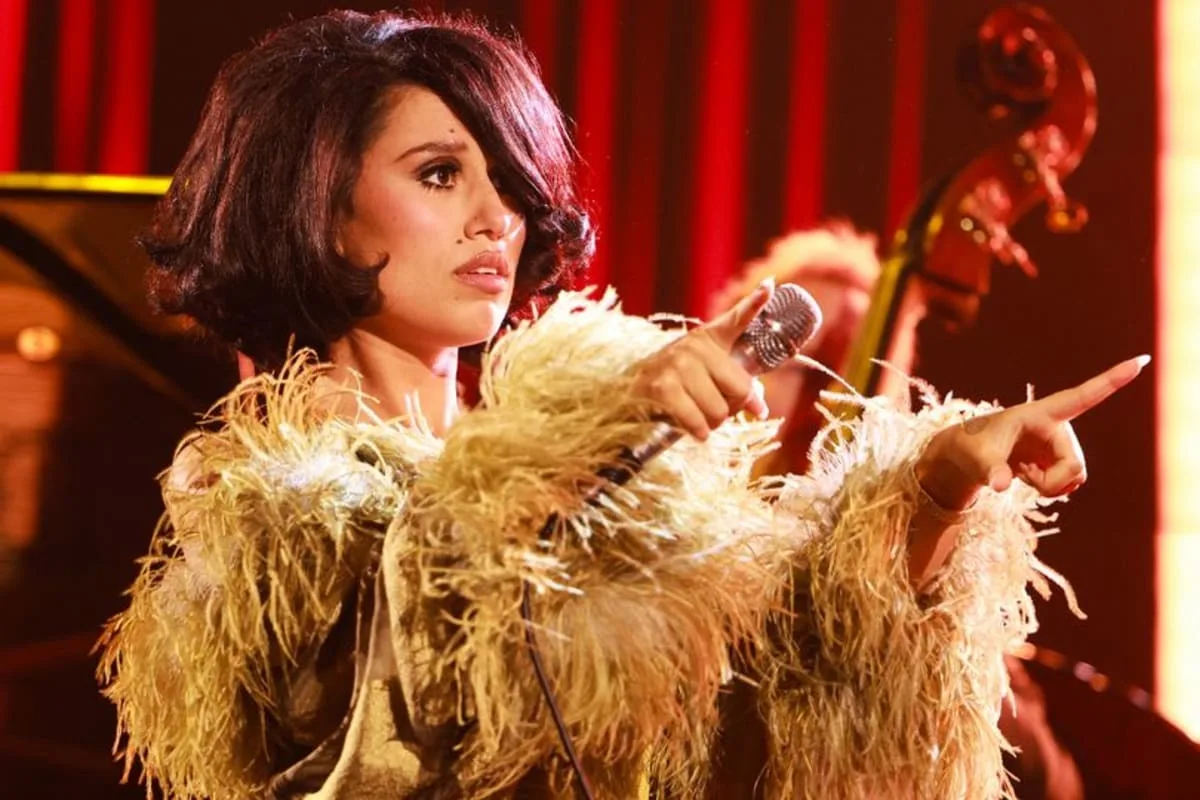
Raye Claims 2026 Mercury Prize for This Music May Contain Hope
Raye has won the 2026 Mercury Prize for her second studio album, This Music May Contain Hope, taking home the £25,000 award at Newcastle’s Utilita Arena on Thursday, October 22. The 28-year-old singer, born Rachel Keen in west London, was left tearful after beating 11 other shortlisted records to claim the industry-voted prize for the best British or Irish album of the year.
Speaking on stage, Raye said: I'm so grateful to be recognised. Is this really happening? I'm so grateful. I wanted to make 7 minute songs. I wanted to do a big band section and strings. Tears are going to flow now. Hope is a cheesy word especially for British people.
Ambition, Big Bands and Chart Success on the Shortlist
The winning 73-minute record spans big band jazz, power balladry, and funk, following her previous success with My 21st Century Blues, which earned her six Brit awards. The judging panel praised the release, stating: Raye displays real imagination and scope in showing what an album can be, going beyond any one style or genre to realise her vision. The judges agreed that Raye’s superb album will serve as a huge inspiration for years to come.
Olivia Dean had been the hot favourite to win the £25,000 prize, with her second record, The Art of Loving, winning album of the year at both the Brits and the Mobo Awards. The 12-strong shortlist also featured Sir Paul McCartney, who at the age of 84 earned his first-ever nomination for The Boys of Dungeon Lane, a nostalgic look back at his life growing up in the Liverpool suburbs before the Beatles. Florence + the Machine picked up their fourth nomination for Everybody Scream, tying with Radiohead as the Mercury's joint highest nominee without winning.
A Second Year in Newcastle and Commercial Debates
The ceremony took place for the second year running at Newcastle’s Utilita Arena and hosted by BBC Radio 6 star Lauren Laverne. Last year's inaugural Tyneside winner, local boy Sam Fender, triumphed with People Watching in 2025. This year, local Geordie jazz band Knats represented the host city with their album A Great Day in Newcastle.
The shift to the north has coincided with discussions over the awards becoming increasingly commercial. While previous years heavily spotlighted the UK independent music scene, six of this year's nominations reached No 1 on the UK charts, and another two were Top 3 hits. All but two of the shortlisted entries—Suede's Antidepressants and the War Child charity compilation HELP(2)—were released by or in partnership with the three major labels: Universal, Warner, and Sony.
Timeline of the 2026 Mercury Prize Ceremony
- All Week (October 2026): Events have been taking place across the city as part of the Mercury Fringe, including a group of teems planning performing in a live gig to give them a sample of industry careers.
- Thursday, October 22, Morning: Judges arrive in Newcastle and are greeted at the station by the LNER Mini Mercury Choir, an assembly of children from across the city - including Hotspur Primary School, Regent Farm First School, the Gosforth Voices choir, and the Newcastle Children's Choir.
- Thursday, October 22, 7:00 p.m. BST: BBC Radio 6 Music coverage begins ahead of the main event.
- Thursday, October 22, 9:30 p.m. BST: The ceremony gets underway at Utilita Arena, hosted by Lauren Laverne, featuring performances from artists including RAYE, JADE, Florence + The Machine, Olivia Dean, Suede, and Nia Archives, before Raye is announced as the winner.
Raye's victory confirms that ambitious, large-scale pop craft can still conquer institutional panels, even as the prize leans closer to mainstream chart dominance.