European flights face disruptions from over 20 hoax bomb threats
More than 20 commercial flights across Europe have been targeted by coordinated hoax bomb threats, sparking emergency landings and military fighter jet escorts.
European flights face disruptions from over 20 hoax bomb threats
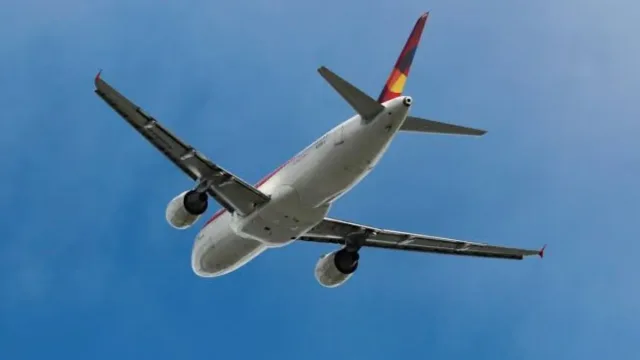
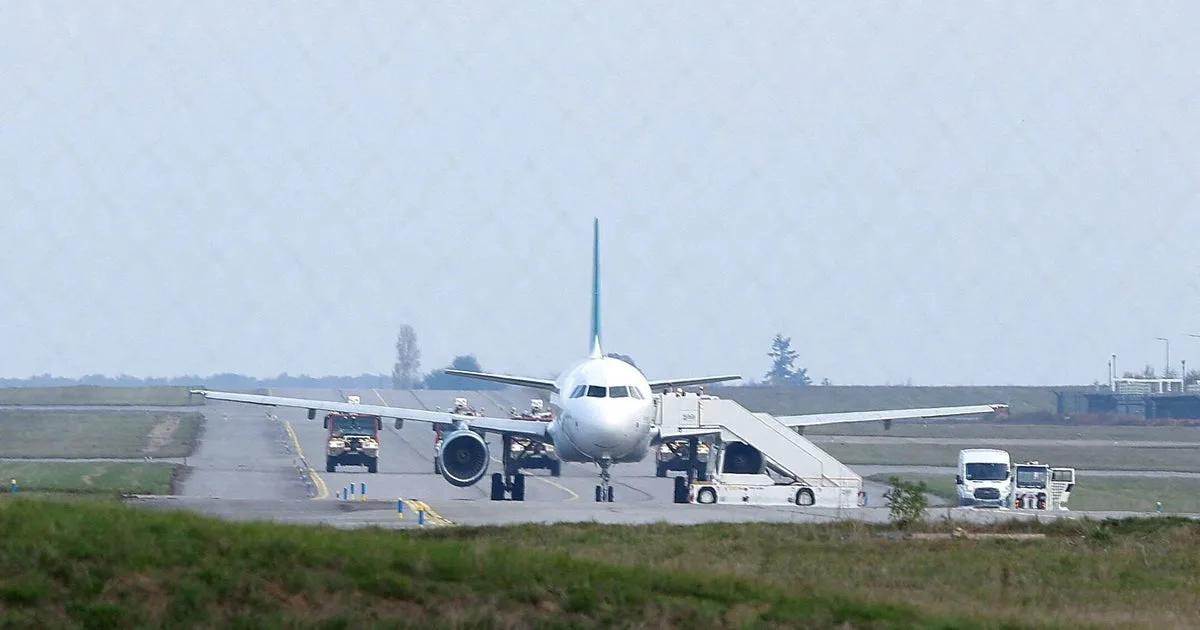
At least 15 commercial flights across Europe faced bomb threats on Thursday, marking a sharp escalation in a week of systematic disruption that has now impacted more than 20 aircraft. While every threat investigated by authorities has been dismissed as a hoax, the coordinated nature of the incidents has triggered major security responses, including military fighter jet escorts, emergency landings at air bases, and the deployment of bomb disposal squads.
The sudden surge in threats, which follows at least seven similar incidents earlier in the week, has targeted multiple airlines across diverse flight paths. As of Thursday, no explosives had been discovered on any of the jets, yet the scale of the operation—hitting flights from Copenhagen, Dublin, Helsinki, Madrid, Milan, and Warsaw—has moved the incidents into the territory of what one expert characterized as a "very deliberate act."
Who is being hit and what are the effects?
The disruption has been widespread, forcing both operational chaos for airlines and significant distress for thousands of passengers. The methods used to convey these threats have varied, with some airlines receiving alerts via email, though the specific nature of all messages remains unconfirmed. The following groups and systems have faced direct operational consequences:
- Passengers and Crew: Thousands of travelers have experienced unexpected diversions, mid-air emergency protocols, and delays as security teams conducted inspections. One Aer Lingus flight from Dublin to Rome carrying 151 passengers and six crew was diverted to the Evreux air base in France, where it was met by military bomb squads.
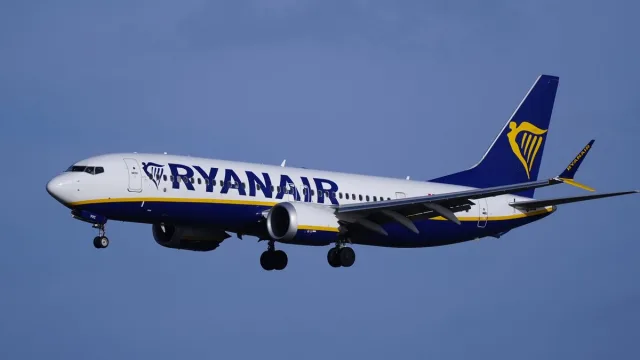
- Airlines: Carriers including Aer Lingus, Finnair, Wizz Air, LOT Polish Airlines, and Ryanair have been forced to divert, reroute, or undergo intense ground security checks. In some instances, as with a Finnair flight to Rome, national air forces were required to scramble fighter jets to provide an escort.
- Aviation Infrastructure: Air traffic control and airport operations faced cascading delays. Rome’s Leonardo Da Vinci Airport, for example, halted all flights for 30 minutes on Thursday to accommodate the arrival and inspection of a targeted jet.
- Security Services: National police and counter-terrorism units, such as the National Centre against Terrorism, Extremism and Cybercrime in the Czech Republic, have been pulled into large-scale security operations to validate threats and clear aircraft.
Is this a coordinated campaign of hybrid warfare?
While no individual or government has claimed responsibility for the flight threats, the incidents align with a broader climate of instability. European security agencies are currently grappling with what MI5 chief Sir Ken McCallum recently defined as an evolving landscape of hybrid warfare. In October, McCallum warned that state actors, particularly Russia and Iran, were escalating efforts to target not only government infrastructure but also businesses and communities.
The flight threats follow a pattern of other low-level sabotage operations reported across Europe this year, including a wave of cyberattacks on commercial refrigerator systems at grocery store chains. Barry Andrews, an Irish Member of the European Parliament, noted the timing of the threats, stating: This after several hybrid threats and attacks across Europe, and ahead of the major European summit in #Dublin next week. Does anyone still deny Ireland faces serious security threats?
A timeline of recent security escalations
- Earlier this week: Authorities record at least seven bomb threats against commercial flights, prompting searches and the temporary closure of an airport outside Warsaw.
- Tuesday: The British government issues a statement dismissing the threats as hoaxes, asserting that the U.K. maintains robust processes for managing both potential threats and malicious hoax calls.
- Thursday: The volume of threats increases significantly, with at least 15 commercial flights across Europe targeted in a single day.
- Thursday: French, Bulgarian, Czech, and Italian authorities conduct emergency inspections and diversions, confirming no hazardous materials were present on any aircraft.
What comes next for European aviation security?
Despite the lack of physical danger, the economic and operational toll on the aviation industry is substantial. Airline crew members and ground staff are currently navigating a high volume of validation processes to determine if a threat is genuine. While the U.K. government has expressed confidence in its current security protocols, the ability of actors to hit multiple flights across different countries suggests that current detection methods for such hoaxes are being tested.
For passengers, the immediate outlook remains one of heightened vigilance. While security measures remain in place, aviation authorities are expected to maintain an elevated state of readiness as they investigate these threats. All eyes will now be on the European summit in Dublin next week, where security leaders are expected to address the mounting wave of hybrid attacks. Observers will be looking for any signs of a shared intelligence response to prevent further disruptions to civilian air travel.
Updated 1 time since publication; last update 10 November 2026, 12:55.