Bomb threats force emergency landings and diversions across European fli…
A wave of unverified bomb threats forced commercial flights across Europe to make emergency landings and diversions on Thursday, triggering high-level security protocols.
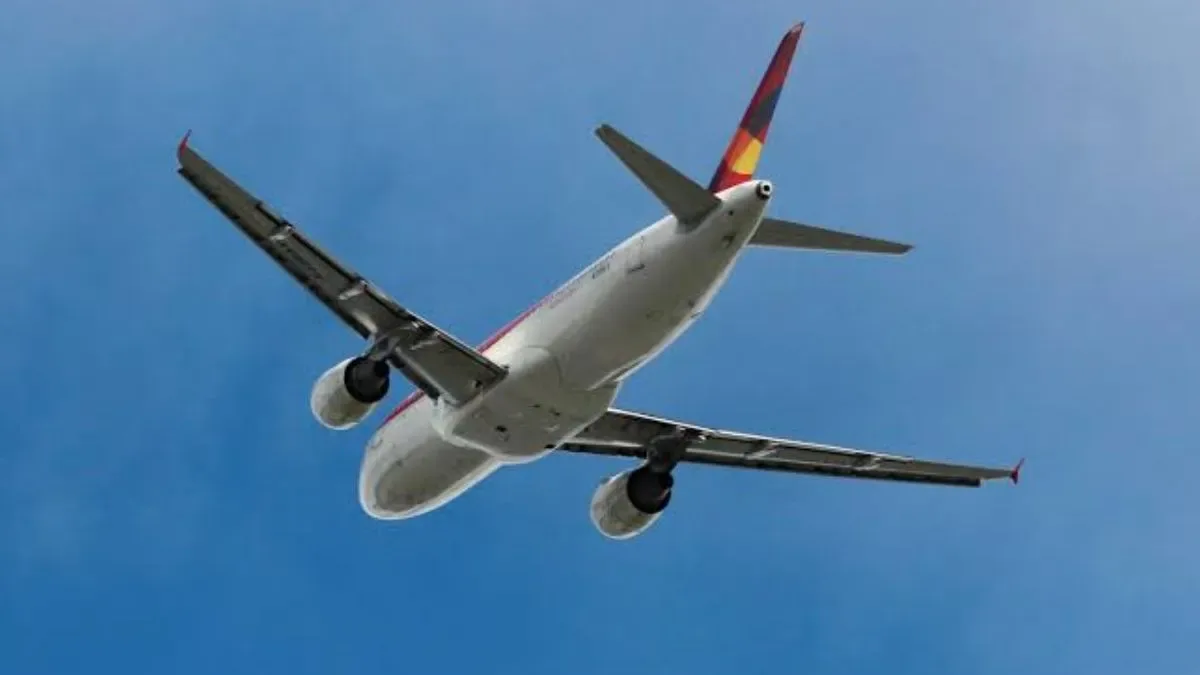
Passengers and crew across Europe faced significant travel disruptions on Thursday as a wave of bomb threats forced multiple commercial aircraft to make emergency landings and unscheduled diversions. From France to Bulgaria, aviation authorities responded to a series of alerts, echoing similar incidents reported earlier this week. While no explosive devices were discovered in any of the cases, the threats triggered high-level security protocols, including fighter jet escorts and the deployment of bomb disposal teams.
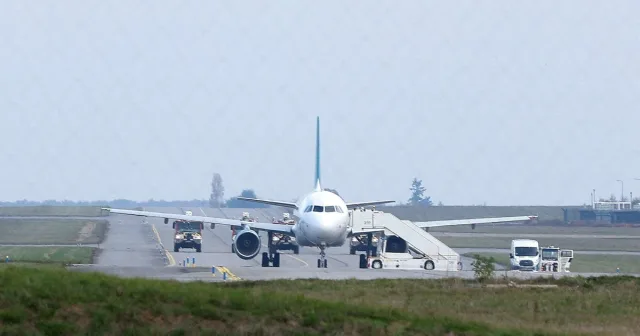
The most prominent incident involved Aer Lingus flight EI402, an Airbus A320 traveling from Dublin to Rome. The aircraft, carrying 151 passengers and six crew members, diverted from its flight path near Paris on Thursday, circling over the Evreux area after the pilot signaled a general emergency by entering the universal transponder code 7700. The plane landed safely at France's Evreux Fauville Air Base, a military installation in Normandy. According to the office of French Prime Minister Sebastien Lecornu, the government is monitoring the situation, and military bomb defusal teams were tasked with inspecting the aircraft.
The Thursday alerts extended far beyond the Aer Lingus flight, creating a widespread logistical challenge for European air travel. According to reports, three aircraft were forced to land at airports in Bulgaria following bomb threats. Two of those flights, originating from Copenhagen and Madrid, landed at Sofia’s Vasil Levski Airport. A third flight traveling from London’s Stansted Airport was diverted to Plovdiv. Meanwhile, in Belgium, a passenger aircraft operated by the Polish airline LOT was grounded at Brussels Airport after authorities received a suspicious report, though the airline later confirmed that security checks had not established the existence of an actual threat.
Escalating Security Responses Across Borders
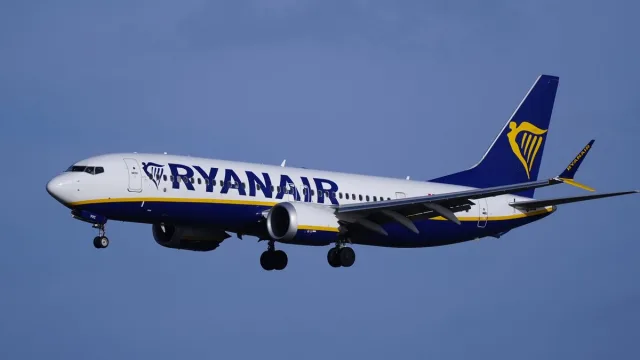
Finnair flights were also targeted in this latest surge of alerts. A flight from Helsinki to Rome received a bomb threat but landed safely at its scheduled destination under the escort of Italian Air Force fighter jets. A second Finnair aircraft, traveling from Helsinki to Vienna, was also threatened but completed a safe landing in Austria. These events follow a similar pattern observed earlier in the week, when at least seven flights and one cruise ship received bomb threats on Tuesday. Those incidents led to the temporary closure of a Warsaw airport and prompted security sweeps for Ryanair flights arriving in Rome from Lisbon and Dublin, with the Dublin flight requiring an escort by the Italian Air Force.
| Airline | Route | Outcome |
|---|---|---|
| Aer Lingus | Dublin to Rome | Diverted to Evreux Air Base, France |
| Finnair | Helsinki to Rome | Landed in Rome with fighter jet escort |
| Finnair | Helsinki to Vienna | Landed in Vienna |
| LOT Polish | Warsaw to Brussels | Landed in Brussels |
| Ryanair | Copenhagen to Sofia | Landed in Sofia |
| Ryanair | Madrid to Sofia | Landed in Sofia |
| Ryanair | London to Sofia | Diverted to Plovdiv, Bulgaria |
While officials have not publicly attributed the responsibility for these incidents to a specific entity, the repetition of these threats — now occurring over multiple days — suggests a systematic campaign of disruption. Observers have noted that while hoax bomb threats are a known phenomenon, their frequency in the current geopolitical environment points toward what some experts describe as a broader pattern of hybrid attacks. This strategy aims to strain public infrastructure and emergency response capabilities through low-cost, difficult-to-trace provocations. The aviation threats occur alongside other reported security issues, including cyberattacks on European supermarket refrigeration systems and recent drone incursions, with some European officials accusing countries including Russia and Iran of involvement in hybrid attacks and sabotage.
The Strategy of Hybrid Disruption
The impact of these threats is measured in more than just operational delays. Each emergency landing requires the mobilization of national air forces, bomb disposal squads, and ground emergency crews, diverting critical resources away from standard operations. While no explosives have been found, the persistent nature of the threats forces airlines and air traffic controllers into a position where they must treat every alert as credible. This leaves authorities with little choice but to prioritize the safety of passengers through costly and invasive diversions, effectively achieving the disrupters' goal of creating widespread unease and logistical chaos.
The breadth of the affected carriers, ranging from flag carriers like Aer Lingus and LOT to budget operators like Ryanair, indicates that the threats are not directed at a single airline, but rather the integrity of the European airspace system itself. With incidents now spanning from Ireland to Bulgaria and from Finland to Italy, the challenge for European security agencies is to move beyond reactionary measures. The ability to keep flights in the air while mitigating the impact of these ongoing, unverified alerts remains the primary test for aviation security officials this week. As of Thursday, there have been no arrests, and authorities continue to treat the situation as an active and evolving security matter.