Five dead after Amazon cargo plane crashes at Miami airport
An Amazon cargo plane operated by 21 Air overshot a runway at Miami International Airport, resulting in at least five deaths and multiple injuries.
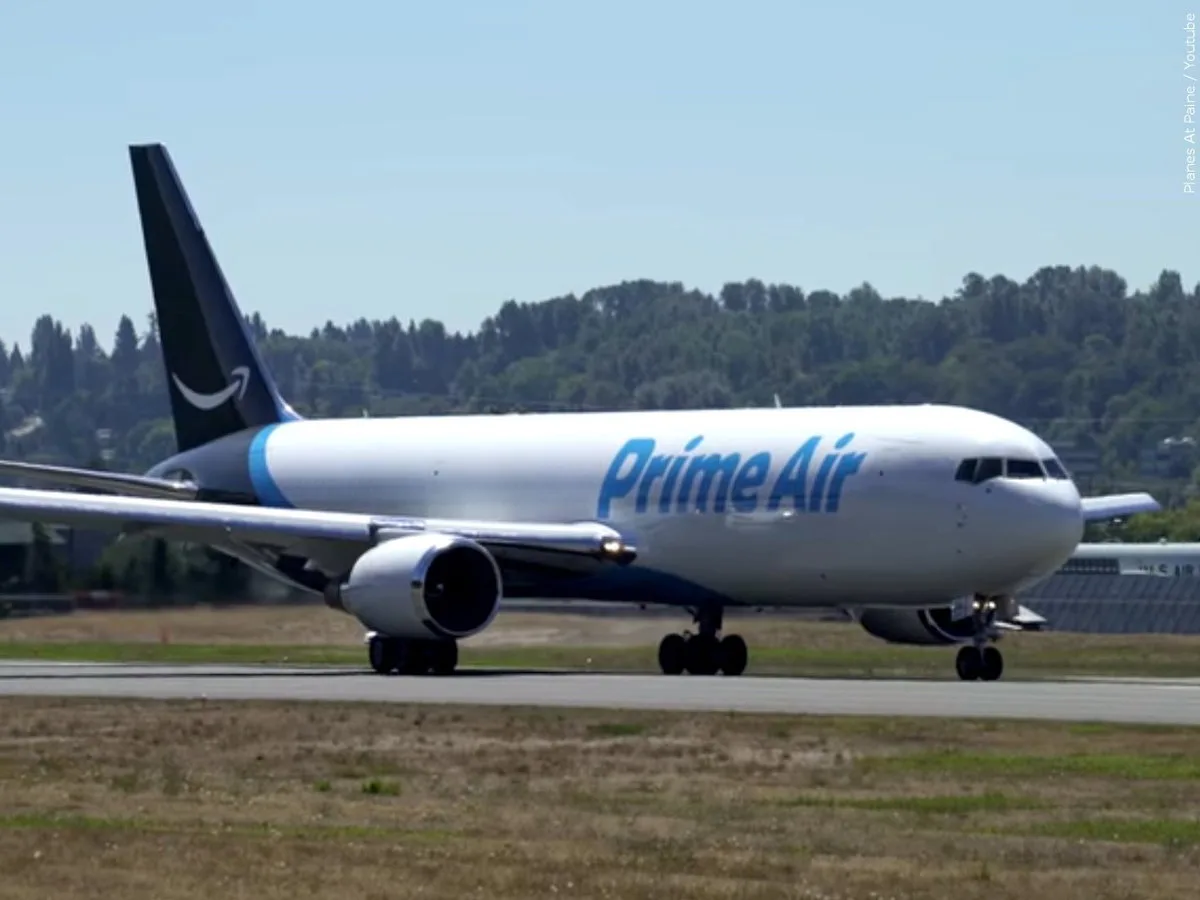
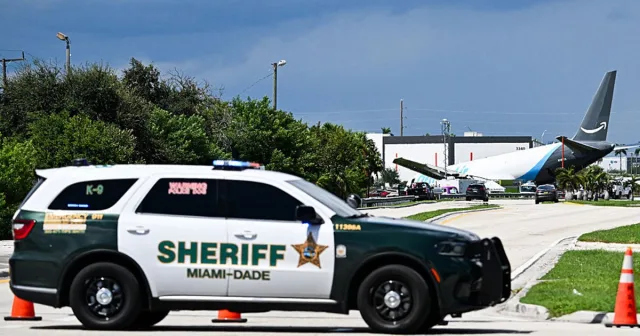
Five people were killed and five others injured when an Amazon cargo plane overshot a runway at Miami International Airport on Sunday, September 6, 2026, after arriving from San Juan, Puerto Rico. The Boeing 767-300, operated by 21 Air, struck vehicles and caught fire, forcing the airport to close all runways and taxiways. The National Transportation Safety Board and Federal Aviation Administration are investigating the cause, while Miami-Dade Fire Rescue managed the blaze and rescue efforts. The crash, which occurred around 2 p.m. local time, left the aircraft resting on its belly near the northwest end of the airport, with thick black smoke billowing into the sky.
“We’re heartbroken to learn that five people lost their lives in today’s incident at Miami International Airport,” Amazon said in a statement. “Our deepest sympathies go out to the families, loved ones, and all those affected by this devastating loss.”Amazon spokesperson, via Yakimaherald.com
Authorities confirmed the plane struck multiple vehicles near the 2100 block of Northwest 42nd Avenue, trapping occupants inside. Three of the five injured were taken to a local trauma center in critical condition, while two others were hospitalized with less severe injuries. The cause of the crash remains under investigation, with the Federal Aviation Administration noting thunderstorms and wind gusts up to 30 mph (48 kph) recorded in the area at the time. Miami-Dade Fire Rescue Chief Ray Jadallah described the scene as “very complex,” with the aircraft largely intact but engulfed in flames. Over 60 fire units responded, using foam from specialized airport firefighting units to extinguish the blaze, though a fuel leak persisted for hours.
The 32-year-old Boeing 767-300, which had flown as a passenger aircraft for several airlines before its conversion to a cargo plane in 2015, was part of a flight that disrupted more than 160 flights and delayed nearly 325 flights at Miami International Airport. According to FlightAware, 160 flights were canceled and 325 delayed by late Sunday, with some aircraft diverted to Orlando International Airport, over 200 miles north. The FAA extended the ground stop until 5:30 p.m. on September 6, with delays expected to continue into Monday as the crash site was cleared. Two runways were reopened by Monday, though the disabled aircraft remained on the northwest end of the airport, complicating operations.
Aviation safety experts raised questions about the landing approach. Steve Arroyo, a retired United Airlines pilot, questioned whether the plane landed within the required touchdown zone, noting that “if it did, what happened?” Mary Schiavo, a former Transportation Department inspector, analyzed video of the crash, stating the plane “floated above the runway for an extended period without flaring the nose upward,” leading to a loss of critical real estate. She highlighted that Miami International Airport lacks arresting systems—crushable material beds at the end of runways that have saved 497 lives nationwide, according to the FAA.
“It didn’t touch down right away, and so it lost a lot of critical real estate by just continuing to float over the runway. It was literally still flying,”Mary Schiavo, aviation safety expert, via Yakimaherald.com
The National Transportation Safety Board confirmed it is investigating the crash, with Chairwoman Jennifer Homendy leading a team to determine the cause. The FAA reiterated that the ground stop was necessary to allow first responders to assess the situation safely. US Transportation Secretary Sean Duffy urged travelers to expect “significant delays and potential cancellations.” Meanwhile, the crash has reignited discussions about runway safety measures, with officials acknowledging the risks of overrunning runways in adverse weather.
The incident also drew comparisons to last year’s UPS plane crash at Louisville’s Muhammad Ali International Airport, which killed 15 people. Amazon’s statement emphasized its cooperation with authorities, while Miami-Dade officials reiterated that “there was no ongoing threat” to the surrounding area. The next key development will be the NTSB’s preliminary findings, which could shed light on the factors that led to the tragedy.
Dateline Wire is dedicated to independent, evidence-backed reporting. This briefing was synthesized from primary source reporting, corroborated across independent newsrooms, and verified against our Editorial Standards.