WestJet Flight Attendants Go On Strike Over Pay and Ground Duties
WestJet flight attendants have launched a strike during a peak travel weekend, canceling hundreds of flights over a bitter labor dispute concerning unpaid ground duties and compensation.
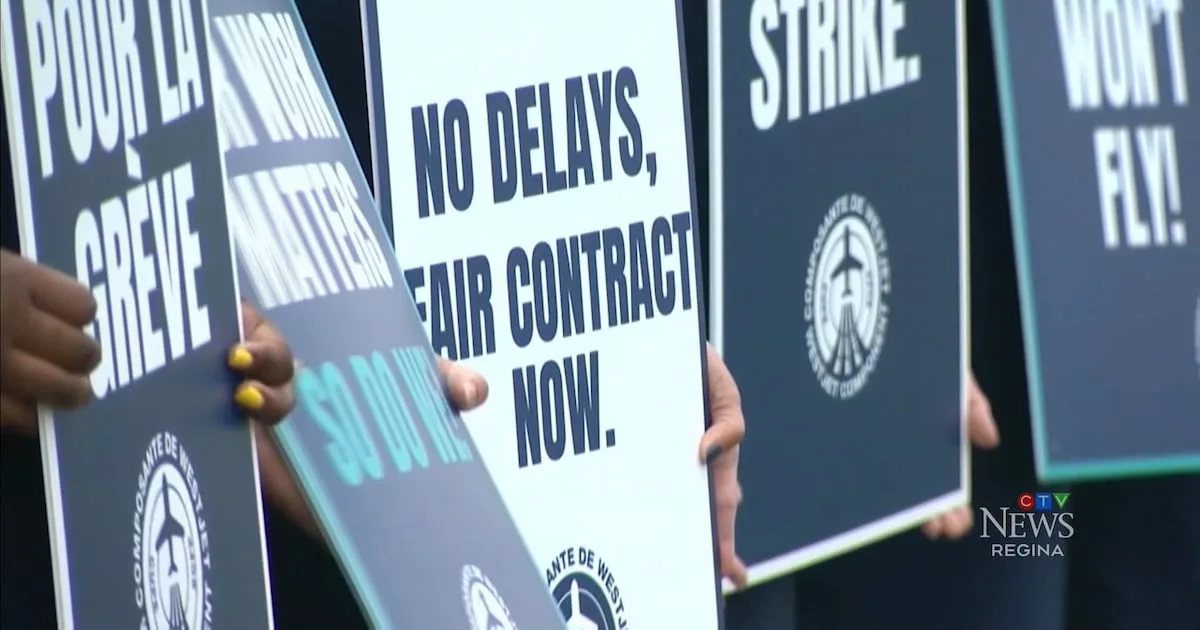
WestJet flight attendants launched a strike on August 2, 2026, during one of Canada’s busiest travel weekends, disrupting hundreds of flights and intensifying a years-long labor dispute over pay and working conditions. The walkout, which began at 2 a.m. local time, centers on demands for compensation for ground duties such as boarding passengers, pre-flight safety checks, and delays — tasks the union argues are unpaid under the airline’s current pay model.
The Canadian Union of Public Employees (CUPE), representing roughly 4,400 flight attendants, accused WestJet of failing to address what it called “unfair” working conditions. The union’s president, Alia Hussain, stated negotiators had “tried until the very last minute to get a fair deal that recognizes the value of the work cabin crews do.” CUPE’s demands include pay from check-in to clock-out, not just during flight operations, and broader improvements to compensation. A union website highlighted that flight attendants reportedly work up to 35 unpaid hours monthly on ground tasks, including “boarding, safety sweeps, assisting passengers, and ground delays.”
WestJet, Canada’s second-largest airline, maintained its position that its “credit hour” system — paying crew members from when the plane leaves the gate to when it arrives at the next destination, aligns with industry standards. The airline’s CEO, Alexis von Hoensbroech, claimed the company had offered an “industry-leading agreement” with a double-digit wage increase in the first year and coverage of pre- and post-flight duties. However, the union rejected the proposal, leading to the strike.
The disruption has already caused significant fallout. By Sunday night, WestJet had canceled 309 flights, with more expected as the strike progresses. The airline preemptively parked parts of its Boeing 737 fleet to avoid stranding aircraft and crews. Major domestic and international routes, including connections to U.S. cities like Las Vegas, New York, and Los Angeles, faced potential cancellations. However, WestJet Encore regional flights and codeshare services with partners like Delta Air Lines were reportedly unaffected.
Travelers faced uncertainty as the airline urged passengers to check flight statuses before heading to the airport. WestJet introduced flexible booking policies, allowing free changes or cancellations for trips between July 30 and August 4. Air Canada also pledged to assist displaced passengers where possible. Despite these measures, the strike has reignited concerns about the impact of labor disputes on air travel, echoing a similar three-day walkout by Air Canada flight attendants in 2025 that stranded over 100,000 travelers.
The strike comes amid a wave of labor tensions in Canada’s aviation sector. Over the past three years, Air Canada and WestJet have faced multiple strikes, including a 2025 dispute involving WestJet mechanics and pilots. These conflicts have often hinged on wage increases and working conditions, with recent deals offering raises of 24% to 50% over several years. The current standoff underscores the challenges airlines face in balancing cost pressures with worker demands, particularly as inflation and living costs rise.
Both parties have signaled openness to resuming talks. WestJet reiterated its commitment to “achieving a negotiated tentative agreement,” while CUPE emphasized its goal of resolving the dispute without further disruption. However, the timeline for a resolution remains unclear. Aviation experts note that even if a deal is reached, airlines typically require weeks to reposition aircraft, reassign crews, and address passenger backlogs.
The strike has also drawn scrutiny from Canada’s labor minister, who called the action “disappointing” but expressed hope for a negotiated solution. Meanwhile, passengers grapple with the fallout, as the airline’s efforts to manage the crisis highlight the broader economic and operational risks of prolonged labor disputes in a sector reliant on precise scheduling and staffing.
Dateline Wire is dedicated to independent, evidence-backed reporting. This briefing was synthesized from primary source reporting, corroborated across independent newsrooms, and verified against our Editorial Standards.