Trump rejects Iran reopening plan for Strait of Hormuz and posts map
President Trump has dismissed a seven-day Iranian proposal to restore maritime traffic, asserting total US control over the strategic waterway.
- Headline: Trump rejects Iran reopening plan for Strait of Hormuz and posts map
- Dispatch Summary: President Trump has dismissed a seven-day Iranian proposal to restore maritime traffic, asserting total US control over the strategic waterway.
- Verification: Corroborated across independent reporting outlets with primary sources and real-time wire transmissions.
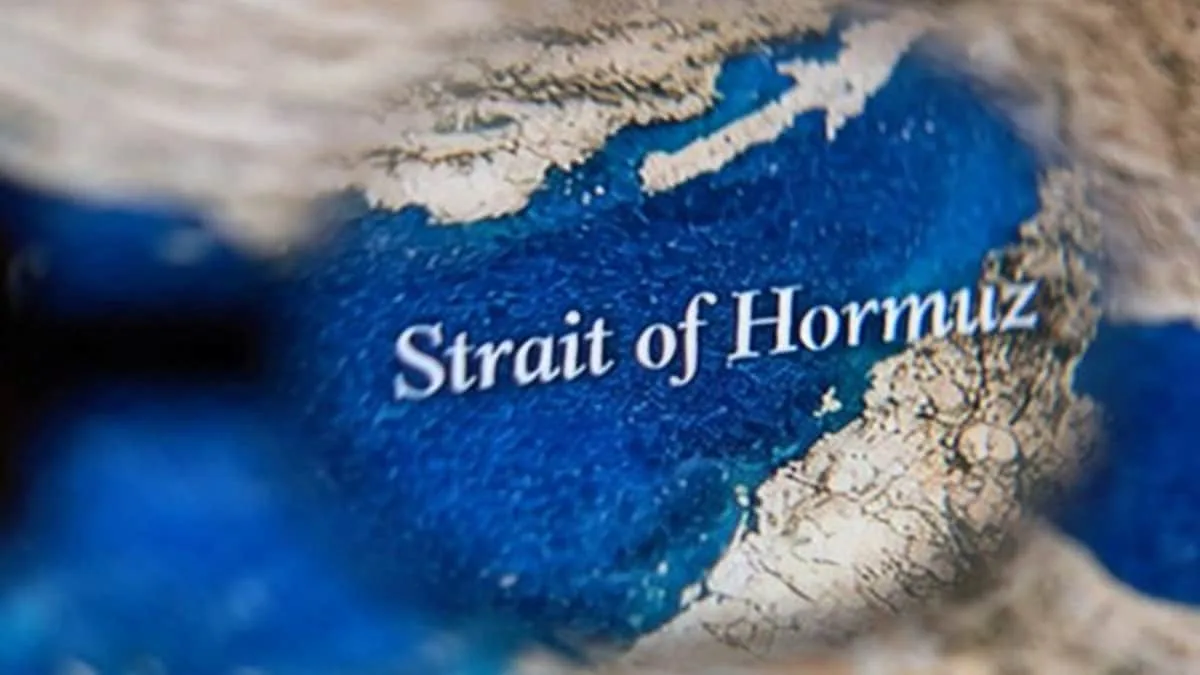
Trump Rejects Iran’s Seven-Day Strait Reopening Plan
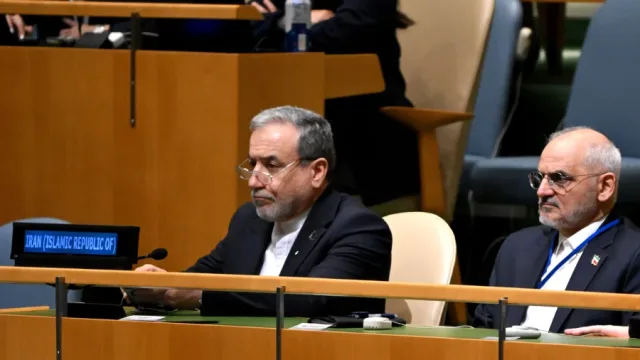
US President Donald Trump has rejected an Iranian proposal to reopen the Strait of Hormuz within seven days, a strategic waterway that has been central to escalating tensions between Washington and Tehran. The rejection came after Iran’s foreign minister, Abbas Araghchi, outlined a plan to restore maritime traffic through the strait if the US met specific conditions, including lifting sanctions, ending a naval blockade, and observing a regional ceasefire. Trump, however, dismissed the offer as “unacceptable,” asserting that the US maintains “total control” of the strait. The Iranian proposal, first disclosed during the UN General Assembly, sought to resume normal shipping and nuclear negotiations by compressing the timeline of a June memorandum of understanding (MoU) into a seven-day framework. Under the plan, Iran would reopen the strait on the sixth day if the US agreed to its demands, with nuclear talks commencing on the seventh. However, Trump’s rejection, confirmed by multiple outlets including *The Wall Street Journal*, has stalled progress. The president later posted a map on Truth Social labeling the strait “Trump Strait,” a symbolic gesture that has drawn sharp criticism from Iranian officials.Iran’s Conditions and US Resistance
Iran’s seven-day plan centered on three key demands: the lifting of sanctions on oil sales, the removal of a naval blockade around Iranian ports, and the establishment of a ceasefire covering the region, including Lebanon. In exchange, Iran pledged to reopen the Strait of Hormuz and resume nuclear negotiations. The proposal also included the release of $12 billion in frozen Iranian assets, a figure cited in *cnbctv18.com*’s report. The US has consistently rejected Iran’s ability to set conditions for the strait’s operation, emphasizing that the waterway is not under Iranian control. A US official cited by *english.ajel.sa* stated that Washington does not recognize Iran’s authority to dictate terms, while another official noted that nearly 60 million barrels of oil had passed through the strait in the past 72 hours. This stance aligns with Trump’s assertion that the US “has total control” of the strait, a claim disputed by Iranian leaders.| Iran’s Proposed Conditions | US Response |
|---|---|
| Lift sanctions on Iranian oil sales | US maintains sanctions as leverage; no indication of immediate relief |
| End naval blockade of Iranian ports | US denies Iran’s authority to demand such action; emphasizes control over strait |
| Regional ceasefire including Lebanon | US acknowledges ongoing talks but refuses to accept Iran’s terms |
Trump’s Symbolic Renaming of the Strait
In a move that has drawn both domestic and international scrutiny, Trump posted a map on Truth Social rebranding the Strait of Hormuz as “Trump Strait.” The act, reported by *cnbctv18.com* and *the-express.com*, echoes earlier instances where the president has used social media to assert authority over geopolitical symbols. The map, which was shared shortly after Iran’s proposal, has been interpreted as a defiant response to Tehran’s diplomatic overture. Trump’s office has not explicitly commented on the renaming, but the president’s rhetoric suggests a broader strategy of leveraging symbolic gestures to signal US dominance. During a press briefing, he claimed, “We’re winning tremendously, we have total control of the Hormuz Strait,” a statement that contradicts Iran’s assertions of strategic leverage. The renaming has also been criticized by Iranian officials, who view it as an attempt to appropriate a globally recognized geographic feature.Unresolved Tensions and Diplomatic Deadlock
Despite Trump’s rejection, US officials have indicated that diplomatic channels remain open. A senior US diplomat cited by *Euronews* described ongoing “positive and constructive” talks with Iran through intermediaries, though no formal agreement has been reached. The White House has not provided a timeline for further negotiations, leaving the future of the strait’s operation in limbo. Iranian President Masoud Pezeshkian, during an interview with *CBS News*, reiterated his country’s willingness to comply with any agreement if the US accepts the proposal. However, he expressed skepticism about Trump’s commitment to diplomacy, citing a history of US attacks during negotiations. “Every day, they increase the sanctions against us. Every day, they threaten us. Every day, they strike us,” Pezeshkian said, highlighting the deepening mistrust between the two nations.Frequently Asked Questions
Why did Trump reject Iran’s seven-day plan?
Trump rejected the proposal, calling it “unacceptable,” and asserted US control over the Strait of Hormuz. He also expressed skepticism about Iran’s willingness to meet US demands, citing a history of broken agreements.
What conditions did Iran propose for reopening the strait?
Iran demanded the lifting of sanctions on oil sales, the removal of a naval blockade, and a regional ceasefire. In return, it pledged to reopen the strait and resume nuclear negotiations within seven days.
What is the significance of Trump’s “Trump Strait” map?
The map, posted on Truth Social, symbolizes Trump’s defiance of Iran’s diplomatic overture. It underscores his emphasis on US dominance over the strait and has been criticized by Iranian officials as an attempt to appropriate a globally recognized geographic feature.
The deadlock over the Strait of Hormuz remains a flashpoint in US-Iran relations, with both sides unwilling to concede. While Trump’s rejection of the seven-day plan has stalled immediate progress, the prospect of renewed military action or further diplomatic maneuvering looms large. The next critical juncture will likely depend on whether Iran’s leadership can reconcile internal divisions or if the US will pivot toward a different strategy amid the ongoing conflict.
How significant is this wire dispatch?
Cast your anonymous vote to register reader consensus across journalism and intelligence sectors.
Dateline Wire is dedicated to independent, evidence-backed reporting. This briefing was synthesized from primary source reporting, corroborated across independent newsrooms, and verified against our Editorial Standards.