Andy Burnham calls for football alcohol ban to be scrapped
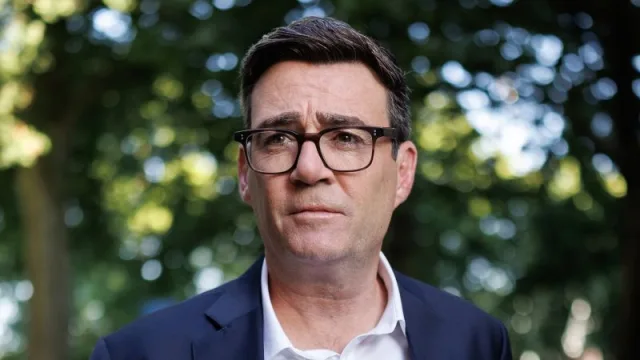
Prime Minister Andy Burnham has reignited debate over the 1985 ban on alcohol in football stands, calling the rules discriminatory compared to other sports.
- Headline: Andy Burnham calls for football alcohol ban to be scrapped
- Dispatch Summary: Prime Minister Andy Burnham has reignited debate over the 1985 ban on alcohol in football stands, calling the rules discriminatory compared to other sports.
- Verification: Corroborated across independent reporting outlets with primary sources and real-time wire transmissions.
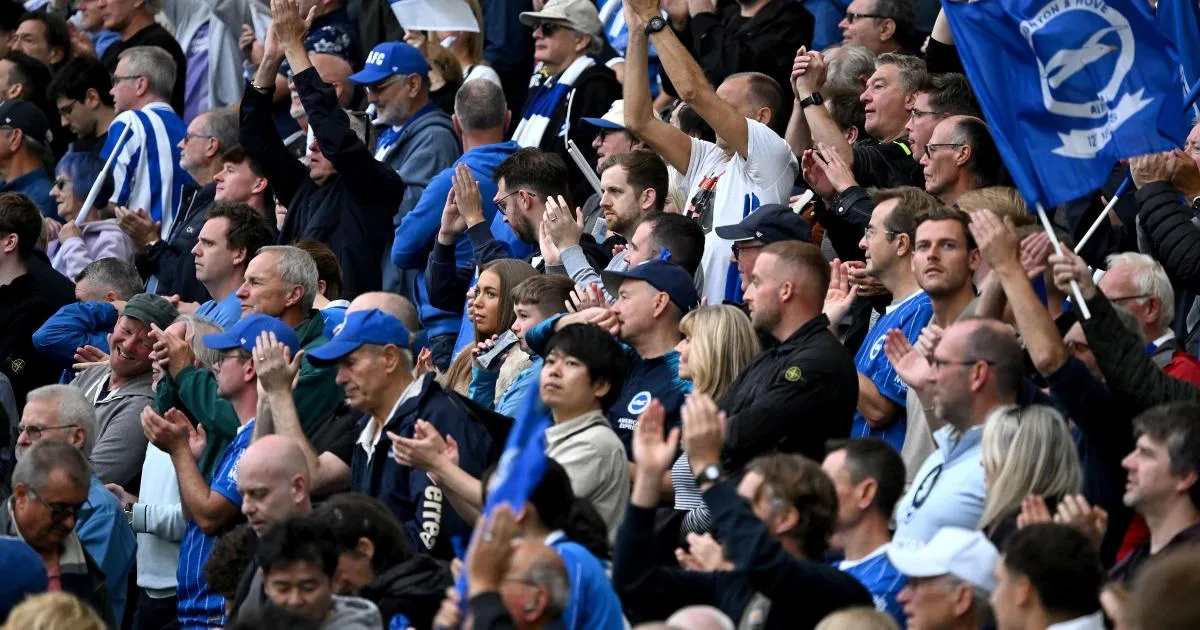
Ban on Football Alcohol Faces Fresh Scrutiny
Prime Minister Andy Burnham has reignited debate over the 1985 ban on alcohol in football stands, calling it “unfair” and “discriminatory” compared to other sports. The legislation, enacted during a period of intense hooliganism, prohibits drinking in view of the pitch for clubs in England’s top five men’s football leagues. Burnham, an Everton fan, argued that the rule is a relic of an era when football was “very different” and should be reviewed to align with practices in rugby, cricket, and other sports. The ban, part of the Sporting Events (Control of Alcohol etc) Act 1985, was introduced amid concerns over violence and disorder. At the time, then-Home Secretary Leon Brittan cited alcohol as a “major contributory factor” in football-related incidents. However, Burnham and advocates like the Football Supporters’ Association (FSA) argue the law is outdated. “It’s unfair to criminalise football fans for having a pint while watching the match,” FSA chairman Tom Greatrex said, noting that fans can drink during rugby league games or at music events.| Detail | Information |
|---|---|
| Alcohol Ban Origin | 1985 Sporting Events Act, introduced amid hooliganism concerns |
| Current Scope | Top five tiers of English men’s football, including Premier League and National League |
| Exemptions | Women’s Super League (WSL) clubs allowed alcohol in stands since 2024 after 18-month trial |
| Supporters’ Stance | FSA and EFL back review; 65% of Sky Sports poll respondents in favor of change |
| Opposition | UK Football Policing Unit warns of risks to safety; calls for consultation |
Policing Concerns and Safety Risks
Despite Burnham’s remarks, law enforcement agencies have urged caution. The UK Football Policing Unit (UKFPU) described any changes as “incredibly rash” without “meaningful consultation.” A spokesman highlighted that football, compared to other sports, faces “violence and criminal behaviour from supporters” where alcohol often plays a role. The UKFPU emphasized the need to balance fan convenience with safety, noting that the 1989 Hillsborough disaster led to significant reforms in stadium management. Burnham’s comments, while not a formal policy shift, have sparked discussions about potential trials. The English Football League (EFL) expressed openness to reviewing the law, which it called “outdated” and “not keeping pace with developments in stadium safety.” However, no immediate plans for trials or legislative changes were announced. A government source clarified that Burnham was restating a long-held view rather than proposing a new policy.Women’s Football Pilot Offers Model
The successful trial of alcohol sales in women’s football stands has provided a potential framework. Since 2024, 25 of 26 WSL clubs have allowed fans to drink in view of the pitch, with no major incidents reported. This contrasted with men’s football, where concerns about crowd behavior persist. Burnham pointed to the WSL example as evidence that changes could be implemented safely. “There are different ways it could be done, perhaps on a trial basis,” he said. However, the ban remains in place for men’s football, including clubs like Brighton & Hove Albion, which permits alcohol in hospitality areas but not in stands. Fans at Worthing, promoted to the National League, have adjusted to the rule, with some expressing frustration over the loss of pre-match traditions. “Until this season, beer on the terrace was a big part of the matchday for many fans,” one supporter said.Frequently Asked Questions
When was the alcohol ban introduced in football stands?
The ban was part of the Sporting Events (Control of Alcohol etc) Act 1985, enacted amid concerns over hooliganism and violence in football stadiums.
Why is the ban considered discriminatory?
Supporters argue it unfairly targets football fans, as other sports like rugby and cricket allow alcohol consumption during matches. Burnham and the FSA highlight this as a “discriminatory” disparity.
What is the status of alcohol in women’s football?
The Women’s Super League (WSL) and WSL2 have allowed alcohol in stands since 2024 following a successful 18-month trial. Twenty-five of 26 clubs now offer the option, with no significant incidents reported.
Next Steps and Unresolved Questions
While Burnham’s remarks have prompted renewed debate, no immediate legislative changes are expected. The UKFPU has requested a meeting with the prime minister to discuss safety concerns, and the FSA has pledged to participate in any consultation. The EFL and Premier League have not yet commented on the possibility of trials, though some clubs have expressed openness to re-examining the law. The outcome hinges on balancing fan preferences with safety, a challenge exacerbated by the absence of a clear precedent. As the discussion unfolds, the focus will remain on whether a trial system can be implemented without compromising the progress made in stadium safety since the 1980s.How significant is this wire dispatch?
Cast your anonymous vote to register reader consensus across journalism and intelligence sectors.
Dateline Wire is dedicated to independent, evidence-backed reporting. This briefing was synthesized from primary source reporting, corroborated across independent newsrooms, and verified against our Editorial Standards.