Manchester United Women Head Coach Marc Skinner Leaves Club by Mutual Co…
Marc Skinner has departed as Manchester United Women head coach by mutual consent, ending a five-year tenure defined by historic milestones.
- Headline: Manchester United Women Head Coach Marc Skinner Leaves Club by Mutual Co…
- Dispatch Summary: Marc Skinner has departed as Manchester United Women head coach by mutual consent, ending a five-year tenure defined by historic milestones.
- Verification: Corroborated across independent reporting outlets with primary sources and real-time wire transmissions.
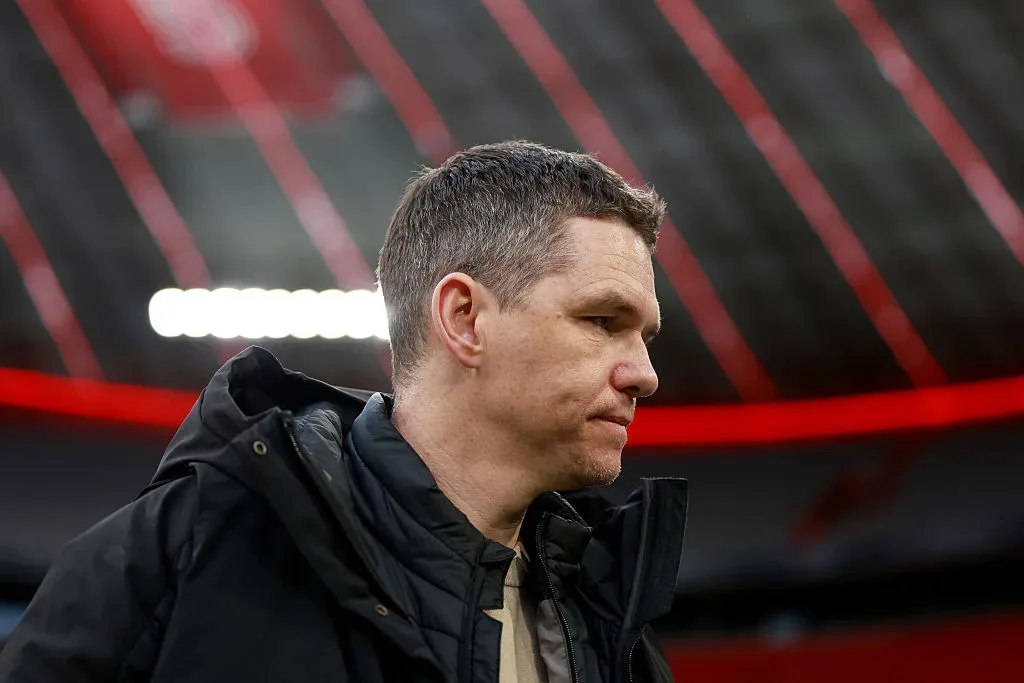
Manchester United Women’s head coach Marc Skinner has left the club by mutual consent, ending a five-year tenure that saw the team achieve historic milestones. The departure, announced on Monday, comes weeks before the start of the 2026/27 Women’s Super League season and follows a period of internal tension and external scrutiny.
Skinner, 43, took charge in 2021 and guided Manchester United to its first major trophy in women’s football, the 2024 FA Cup, while also securing the club’s first-ever qualification for the UEFA Women’s Champions League. During his time, the team reached four consecutive domestic cup finals, finished as runners-up in the 2022–23 WSL season, and advanced to the Champions League quarter-finals in their debut campaign. However, the club’s failure to translate this progress into consistent league success or sustained European contention has fueled criticism.
The club confirmed Skinner’s exit in a statement emphasizing his “significant contribution to the continued progress” of the women’s team. It thanked him for his “professionalism, commitment, and dedication,” adding that he “wishes him every success in the future.” The decision came after Skinner had one year remaining on his contract, which he had extended in 2025 with an option for a further year. Sources indicated he had offered his resignation prior to the mutual agreement, though the exact terms of the split remain undisclosed.
While he may not have won as many trophies as he would have liked at United, Skinner did a lot of good for the women’s team. Their participation in the Champions League for the first time last season was hugely significant, and it was clear a lot of the players were galvanised around him. The club’s statement noted Skinner’s role in “progress,” but the absence of a clear plan for sustained success has left fans and analysts divided.
Skinner’s exit follows months of public calls for greater investment in the women’s team. Speaking after Manchester United reached the Champions League quarter-finals and the League Cup final in 2025–26, he highlighted the need for “changes during the close season” to address resource gaps. His frustrations were echoed by fans, who at times chanted “Skinner out” during the 2023–24 campaign, when the team finished fifth in the WSL — a low point for the club. Despite this, Skinner acknowledged the pressure of leading a team with high expectations but limited depth, particularly during their inaugural European campaign.
The timing of his departure has raised questions about Manchester United’s strategy as the new season approaches. The club has made only two signings this summer — defender Andrea Medina and goalkeeper Janina Leitzig, while rivals like Arsenal, Manchester City, and Chelsea have made high-profile additions. This contrast has intensified debates about the club’s commitment to its women’s team, with Skinner’s exit seen by some as a reflection of broader financial and strategic challenges.
Manchester United has not yet named a successor, but reports suggest the search is “at an advanced stage.” The club is reportedly prioritizing a coach with a “history of developing players,” aligning with its focus on youth integration and academy development. However, critics argue that without significant investment, the team risks falling further behind its competitors.
Skinner’s legacy is one of achievement and unresolved tension. While he delivered the FA Cup and elevated the club’s profile, the lack of a league title and the team’s struggles in the WSL have underscored the challenges of building a competitive side. His departure marks the end of an era, but also raises pressing questions about Manchester United’s long-term vision for its women’s team as the new season looms.
How significant is this wire dispatch?
Cast your anonymous vote to register reader consensus across journalism and intelligence sectors.
Dateline Wire is dedicated to independent, evidence-backed reporting. This briefing was synthesized from primary source reporting, corroborated across independent newsrooms, and verified against our Editorial Standards.