US military says four killed in strike on suspected drug-trafficking boa…
The US Southern Command confirmed a lethal strike on a suspected drug-trafficking boat in the Caribbean, killing four people as part of an ongoing anti-cartel campaign.
- Headline: US military says four killed in strike on suspected drug-trafficking boa…
- Dispatch Summary: The US Southern Command confirmed a lethal strike on a suspected drug-trafficking boat in the Caribbean, killing four people as part of an ongoing anti-cartel campaign.
- Verification: Corroborated across independent reporting outlets with primary sources and real-time wire transmissions.
US Military Strikes Suspected Drug-Tracking Vessel in Caribbean
The US military confirmed it carried out a lethal strike on a vessel suspected of involvement in narco-trafficking in the Caribbean, killing four individuals. The operation, described as a "kinetic strike" by US Southern Command, targeted a "go-fast" boat operating along established drug-smuggling routes. The agency stated that confirmed intelligence linked the vessel to active narcotics trafficking, though no evidence of drugs aboard was publicly disclosed.
The attack occurred on September 19, 2026, and is part of the Trump administration’s ongoing campaign against what it labels "narco terrorists." Since the initiative began nearly a year ago, the military has conducted 69 strikes in the Caribbean and eastern Pacific, resulting in at least 231 reported fatalities. The latest operation follows a pattern of targeted air strikes aimed at disrupting drug flows, a strategy framed as critical to combating overdose deaths and cartel influence in the US.
Historical Context and Controversies
The strike adds to a contentious record of military actions in Latin America. Earlier this year, the US conducted a "double tap" attack on a vessel, where a second strike killed two survivors of the first. This method has drawn scrutiny, with some legal experts questioning its legality and potential classification as a war crime. The administration has faced criticism for offering limited public evidence to substantiate claims of targeting drug traffickers, while rights groups have condemned the operations as "extrajudicial killings."
The campaign’s expansion beyond maritime zones has also sparked debate. The Trump administration has pursued agreements with Latin American nations to extend operations to land. Defense Secretary Pete Hegseth reportedly discussed joint military actions with Colombia, Guatemala, and Honduras, though Guatemala later denied such a deal. Ecuador has previously collaborated with the US on similar missions, including a March 2026 operation that involved boarding and sinking a vessel alleged to support drug trafficking.
Operational Details and Public Reactions
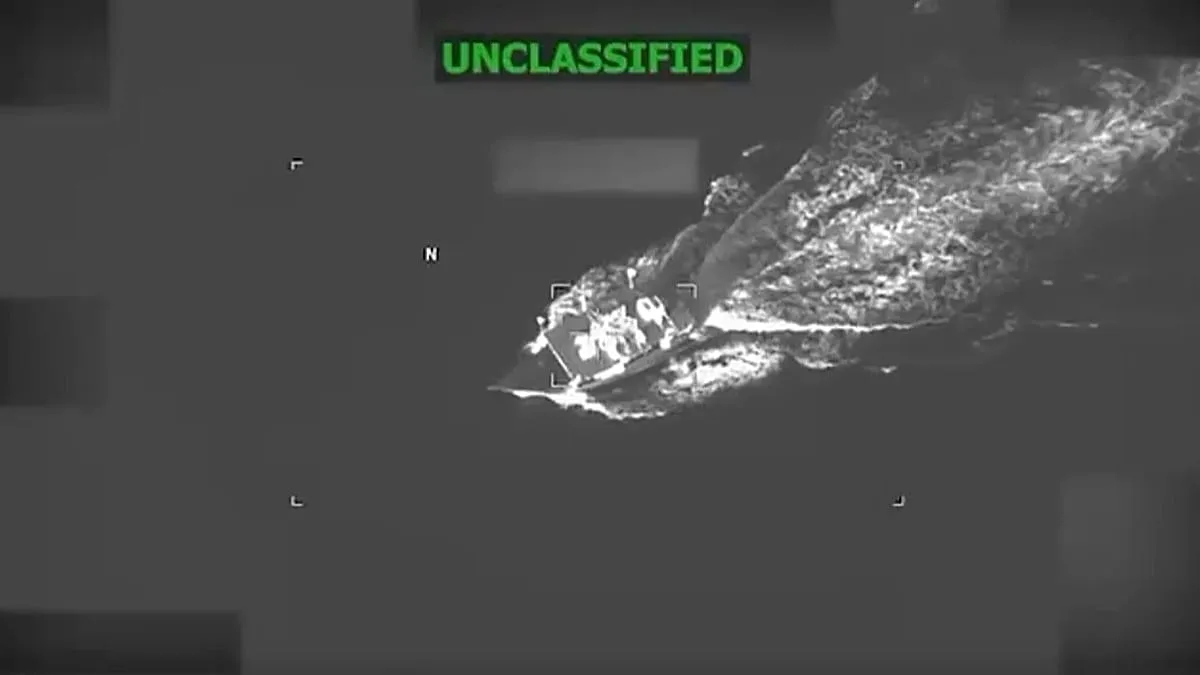
US Southern Command released video footage of the September 19 strike, showing a moving boat followed by an explosion. The agency emphasized the vessel’s "active involvement in narco-trafficking" but did not provide further details on the individuals killed or the circumstances of the attack. The military’s statements often rely on classified or unverified intelligence, a practice that has fueled skepticism among critics.
The administration has framed the strikes as necessary to address what it calls an "armed conflict" with Latin American cartels. President Trump has repeatedly linked drug trafficking to national security threats, citing "devastating consequences" for US communities. However, the lack of transparency around specific targets and outcomes has led to calls for greater accountability. Lawmakers and advocacy groups have urged the government to provide clearer justifications for the operations and to adhere to international legal standards.
| Operation | Target | Reported Deaths | Context |
|---|---|---|---|
| September 19, 2026 | Caribbean vessel | 4 | Part of ongoing campaign against narco-trafficking |
| September 2, 2025 | Caribbean vessel | 11 | Includes "double tap" strike, raising legal concerns |
International Partnerships and Legal Challenges
The US has sought to broaden its anti-drug efforts through regional alliances. While Ecuador has formally partnered with the military, other nations have been more cautious. Guatemala’s denial of a joint operations agreement highlights the complexities of securing international support. The administration’s approach has also faced diplomatic pushback, with some Latin American leaders questioning the implications of foreign military presence on their soil.
Legal challenges to the strikes remain unresolved. The "double tap" tactic, in particular, has drawn attention from human rights organizations, which argue it may violate international humanitarian law. The lack of public evidence to corroborate the military’s claims further complicates the legal and ethical scrutiny of these operations.
Frequently Asked Questions
How many people have been killed in US military strikes on drug-trafficking vessels since 2025?
At least 231 individuals have been reported killed in 69 strikes conducted by the US military in the Caribbean and eastern Pacific since the Trump administration launched its campaign against "narco terrorists" in 2025.
What is the "double tap" strike tactic, and why is it controversial?
The "double tap" refers to a follow-on strike targeting survivors of an initial attack. It has drawn criticism for potentially violating international law, as it may constitute a war crime. The tactic was used in a September 2025 strike that killed 11 people, with two survivors later killed in the second attack.
Which Latin American countries have partnered with the US on anti-drug operations?
Ecuador has formally collaborated with the US on maritime operations, while Colombia, Guatemala, and Honduras were reportedly discussed for joint efforts. However, Guatemala denied reaching such an agreement, and the status of other partnerships remains unclear.
The latest strike underscores the escalating intensity of the US military’s campaign against drug trafficking in the Western Hemisphere. As the administration continues to expand its operations, questions about legal compliance, transparency, and regional cooperation will likely persist. The next critical development may involve further strikes or increased scrutiny from international bodies and domestic lawmakers demanding accountability.
How significant is this wire dispatch?
Cast your anonymous vote to register reader consensus across journalism and intelligence sectors.
Dateline Wire is dedicated to independent, evidence-backed reporting. This briefing was synthesized from primary source reporting, corroborated across independent newsrooms, and verified against our Editorial Standards.