Two mass shootings in South Africa leave 17 dead
Two separate mass shootings on Sunday night left 17 people dead across South Africa, striking communities in KwaZulu-Natal and Pretoria.
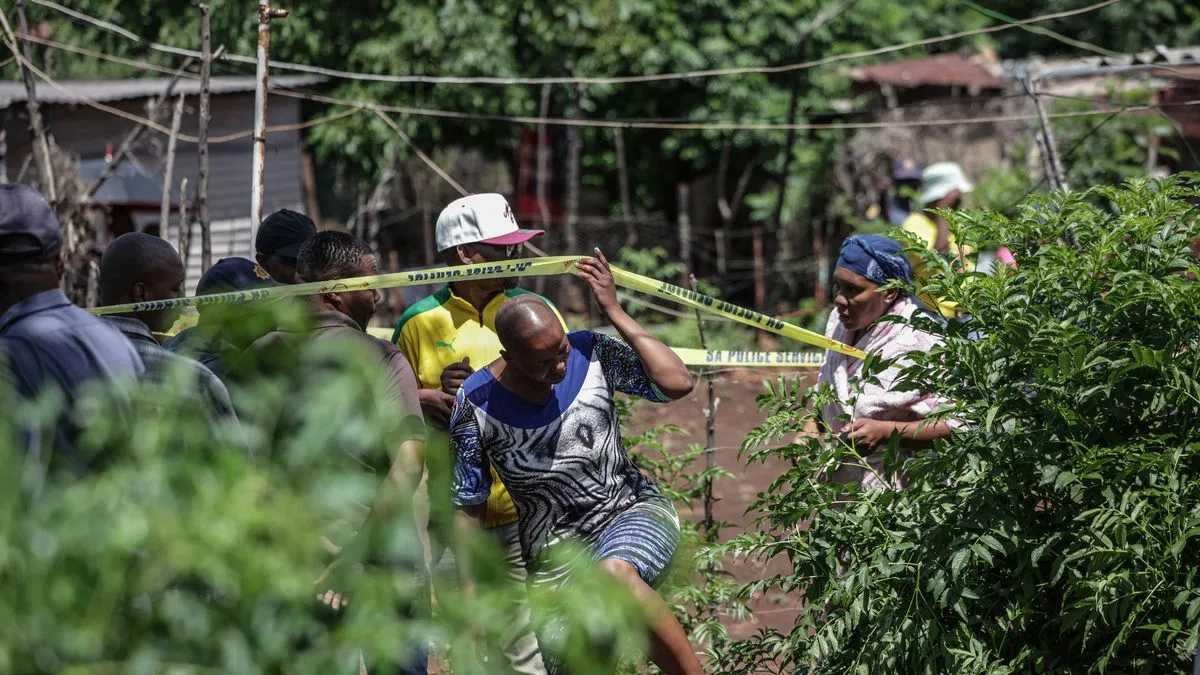
Two mass shootings in South Africa leave 17 dead
Two separate mass shootings on Sunday night left 17 people dead across South Africa, striking families and communities from the outskirts of Pretoria to KwaZulu-Natal province. Police launched urgent investigations into the attacks, which occurred roughly 530 kilometers (330 miles) apart, though authorities maintained the two incidents were entirely unrelated and had not yet established a motive for either massacre.
As investigators combed the scenes on Monday, November 16, 2026, new details emerged regarding potential links to past violence, even as families worked to identify their loved ones. For ordinary residents and readers following the country's worsening security crisis, the latest bloodshed deepens anxieties surrounding widespread illegal firearms and organized crime. Police and national leaders have repeatedly pledged interventions, yet violence continues to erupt in impoverished settlements and neighborhoods.
Eight men killed inside a bullet-riddled vehicle in Sweetwaters
The first of Sunday's tragedies unfolded outside the town of Pietermaritzburg in KwaZulu-Natal province, where officers responded to reports of gunfire and discovered a white seven-seater vehicle or minibus riddled with bullet holes. Inside, police found eight men dead, declaring them deceased upon arrival at the scene.
Police spokesperson Robert Netshiunda said some families had come forward to help with identifying the victims, but their identities had yet to be confirmed. It's still too early to tell what the motive could have been and who could be behind the shooting because we are yet to identify the victims,
Netshiunda said.
Nine victims gunned down inside a Pretoria shack
Hours after the KwaZulu-Natal massacre, a second mass shooting struck the Jeffsville informal settlement in Atteridgeville, west of South Africa's capital, Pretoria. The shooting took place between 22:00 and 23:00 on Sunday, when attackers entered a four-room shack and opened fire, leaving nine people dead with gunshot wounds. Community members in the area initially mistook the sound of the gunfire for thunder and lightning.
Police were alerted at approximately 07:30 on Monday, November 16, 2026. Gauteng police spokesperson Brigadier Brenda Muridili stated that upon arrival, members found the bodies of six males and three females inside the four-roomed shack with gunshot wounds, with several spent cartridges discovered outside.
Gauteng Police Commissioner Tommy Mthombeni stated that the killings could potentially be linked to a previous shooting at a nearby informal settlement in Saulsville last year where 12 people were killed and 13 injured. Commissioner Mthombeni added that one of the people killed in the Jeffsville attack was a person of interest
in the Saulsville case. We cannot rule out that they may be linked, and may possibly have been a retaliation attack,
Mthombeni said. In the Saulsville case from last year, police made a breakthrough and arrested one suspect believed to be one of the mass shooters.
Gauteng Premier Panyaza Lesufi visited the crime scene with police on Monday and said the provincial government was coordinating with other provincial departments to support police investigations into similar crimes happening in the province, which includes Johannesburg. No arrests have been made in the Jeffsville case, which is being handled by the serious and violent crimes, murder and robbery unit in Gauteng province.
High murder rates and a backdrop of gang violence
The weekend massacres arrive as South Africa continues to struggle with exceptionally high levels of violent crime, averaging about 60 murders every day nationwide. Much of the country's recent armed violence has been tied to turf wars between gangs involved in drug trafficking and illegal mining, striking hardest in impoverished communities.
Despite official figures showing that 5,427 people were murdered nationwide between April and June 2026—marking a 6% decline compared to the same period a year earlier—high-casualty mass shootings remain a persistent and deadly reality.
| Incident Date | Location | Casualties | Details |
|---|---|---|---|
| Sunday, Nov. 2026 | Sweetwaters, Pietermaritzburg, KwaZulu-Natal | 8 dead (all men) | Found inside a bullet-riddled white seven-seater vehicle or minibus |
| Sunday, Nov. 2026 | Jeffsville informal settlement, Pretoria, Gauteng | 9 dead (6 males, 3 females) | Found inside a four-room shack with spent cartridges outside |
| September 2026 | Durban and Wedela, west Johannesburg | At least 28 total dead across two shootings | Gunmen stormed a small house party in Durban killing 11 including a pregnant woman; another attack by gunmen with AK-47s at a Wedela tavern killed 17 |
The new disclosures that a victim in the Jeffsville massacre was a person of interest in last year's Saulsville killings give investigators a concrete thread to follow, shifting the focus from random carnage toward targeted, revenge-driven syndicate violence. Yet that specific operational breakthrough offers little immediate reassurance for communities across Gauteng and KwaZulu-Natal, where heavily armed networks continue to outpace military deployments and quarterly statistical declines.
Updated 1 time since publication; last update 17 November 2026, 00:53.