Riyadh Airport Attack Kills Three and Damages Saudia Aircraft
Houthi missile strikes on Riyadh's King Khalid International Airport have killed three people, destroyed a parked Saudia aircraft, and forced international airlines to suspend flights.
- Headline: Riyadh Airport Attack Kills Three and Damages Saudia Aircraft
- Dispatch Summary: Houthi missile strikes on Riyadh's King Khalid International Airport have killed three people, destroyed a parked Saudia aircraft, and forced international airlines to suspend flights.
- Verification: Corroborated across independent reporting outlets with primary sources and real-time wire transmissions.
Why Are Houthi Missiles Striking Riyadh Airport Now?
The escalation follows a warning issued on October 5 by Houthi rebels in Yemen declaring Saudi airspace unsafe and vowing to target civil aviation. That threat materialized on Thursday, October 8, when two separate attacks struck King Khalid International Airport (RUH) in Riyadh, killing three Saudi citizens and injuring several others. Saudi Arabia's General Authority of Civil Aviation (GACA) and Saudia Group confirmed that the casualties included Captain Hamoud Ali Alkalthami, a pilot for the Kingdom's flag carrier, Saudia Airlines.
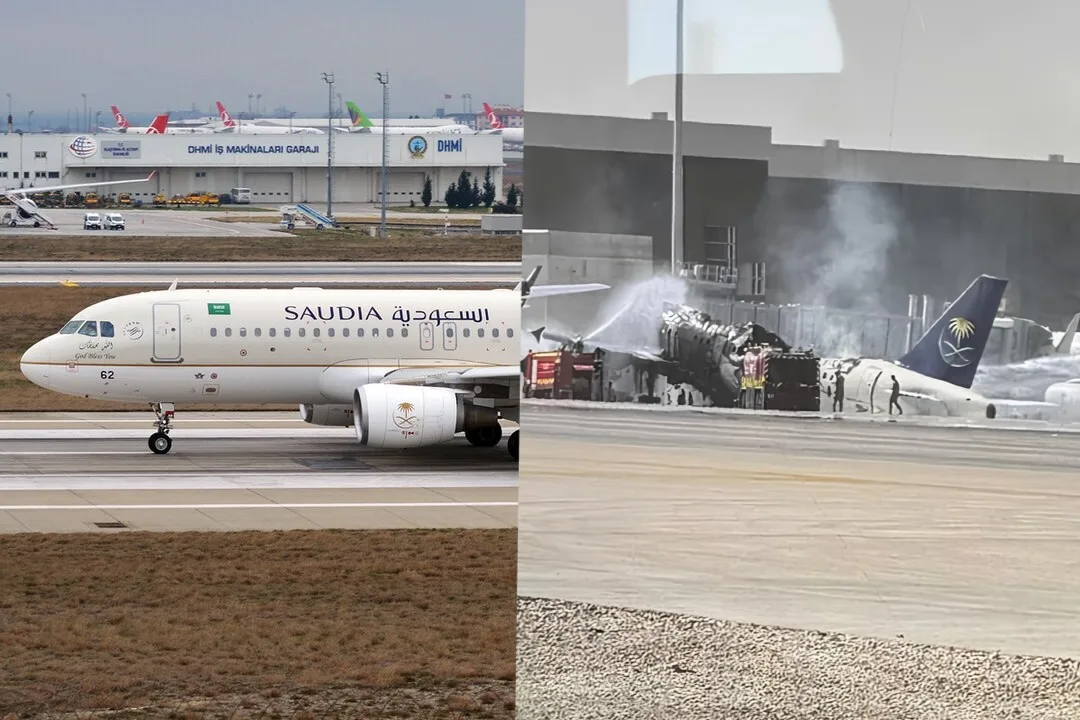
The first strike targeted airport facilities, while the second hit a parked Saudia Airlines aircraft sitting at the gate. According to the Associated Press, the aircraft had no passengers aboard when it was hit, though independent aviation reports noted the fuselage was completely destroyed with only remnants of the wings and tailfin remaining. Officials did not clarify whether the plane took a direct missile hit or was destroyed by debris from an aerial interception.
The latest casualties follow an earlier series of strikes on October 6 and 7 that killed three people and injured 36 across Abha International Airport and King Khalid International Airport. At Abha, two people died and 28 were wounded, while a previous strike at Riyadh killed one person and injured eight. These figures are separate from the three deaths recorded on October 8.
Who Is Affected by the Airport Closures and Suspensions?
The attacks sent immediate shockwaves through international commercial aviation, stranding passengers and forcing global carriers to rewrite flight schedules. While GACA announced that airport operations and air traffic returned to normal by 6 PM local time on Thursday, international airlines responded with widespread cancellations:
- Lufthansa Group suspended its Riyadh flights through October 16.
- Air India and Akasa Air halted services through October 10. An Air India flight from Delhi to Riyadh was forced to turn back, and Akasa Air cancelled two scheduled services.
- IndiGo suspended flights through October 9.
- Regional carriers including EgyptAir, Flydubai, Etihad Airways, Pakistan International Airlines, Qatar Airways, and Oman Air cancelled scheduled services on Friday. Etihad specifically cited operational disruption on October 9 and 10.
Travelers faced severe uncertainty as differing airline restart dates left schedules fragmented. The UK Foreign Office issued a travel alert late Thursday warning Britons to avoid all but essential travel to several provinces, including Riyadh, though the US State Department maintained its existing Level 3 Reconsider Travel advice issued on September 15.
How Did the Regional Conflict Explode Into Civil Aviation?
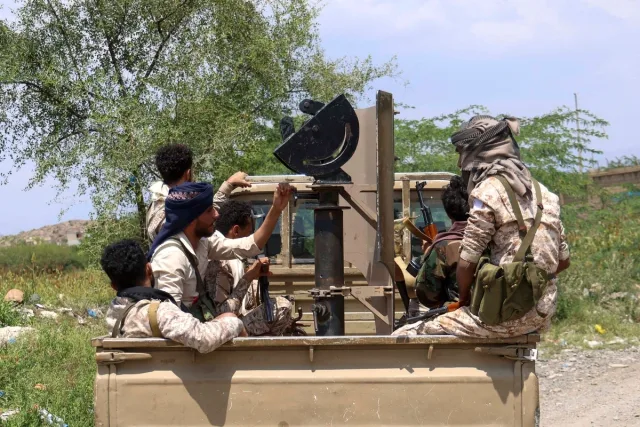
The roots of the current crisis extend back to 2015, when a Saudi-led coalition intervened in Yemen's civil war to oust the Houthi movement from power and restore the recognized government. A temporary ceasefire brokered in 2022 eventually collapsed over the summer. The conflict intensified sharply after Houthi forces seized strategically important stretches of the Red Sea coast, including the port of Mokha on the Bab al-Mandab Strait, a crucial chokepoint for global shipping. Yemeni pro-government forces later stated they had secured the strait at the southern end of the Red Sea.
The Houthi military spokesperson justified the airport attacks as a direct response to what the group termed Saudi aggression, claiming 60 airstrikes and missile attacks had targeted Yemen in the prior 24 hours. In retaliation, Saudi-led coalition forces reported destroying 82 Houthi military targets across several Yemeni governorates, including missile storage facilities, command-and-control centers, communications systems, and weapons depots.
What remains deeply unsettling for international carriers is the apparent inability of Saudi air defense systems to intercept missiles launched from Yemen. As noted by industry observers, a seemingly poor interception rate creates severe risk for airlines unwilling to gamble on an airspace where ballistic weapons strike major civilian hubs at will.
What Is the International Response and What Should Travelers Do?
Governments across the region and beyond condemned the targeting of civilian infrastructure. India's Ministry of External Affairs termed the attacks completely unacceptable, offering condolences to the families of the victims. The Indian Embassy in Riyadh advised its nationals living in the Kingdom to remain alert, stay indoors when necessary, and avoid sharing unverified videos or reports on social media. Officials noted that the embassy and the Jeddah consulate continued normal operations via VFS, with a 24-hour Pravasi Bharatiya Sahayata Kendra helpline available at 8002471234.
Passengers holding tickets to or from Saudi Arabia must verify their flight status directly with airlines before heading to the airport, given the mismatched suspension windows enforced by foreign carriers. With the Houthi leadership explicitly threatening civil aviation and regional air defenses facing unprecedented strain, anyone with upcoming travel plans through Riyadh must treat schedules as provisional until diplomatic and security guarantees stabilize.