Iran President Pezeshkian tells UN Tehran will never bend the knee to Trump
Iranian President Masoud Pezeshkian delivered a defiant UN address, rejecting US 'bullying' and demanding an end to port blockades and the release of frozen assets.
- Headline: Iran President Pezeshkian tells UN Tehran will never bend the knee to Trump
- Dispatch Summary: Iranian President Masoud Pezeshkian delivered a defiant UN address, rejecting US 'bullying' and demanding an end to port blockades and the release of frozen assets.
- Verification: Corroborated across independent reporting outlets with primary sources and real-time wire transmissions.
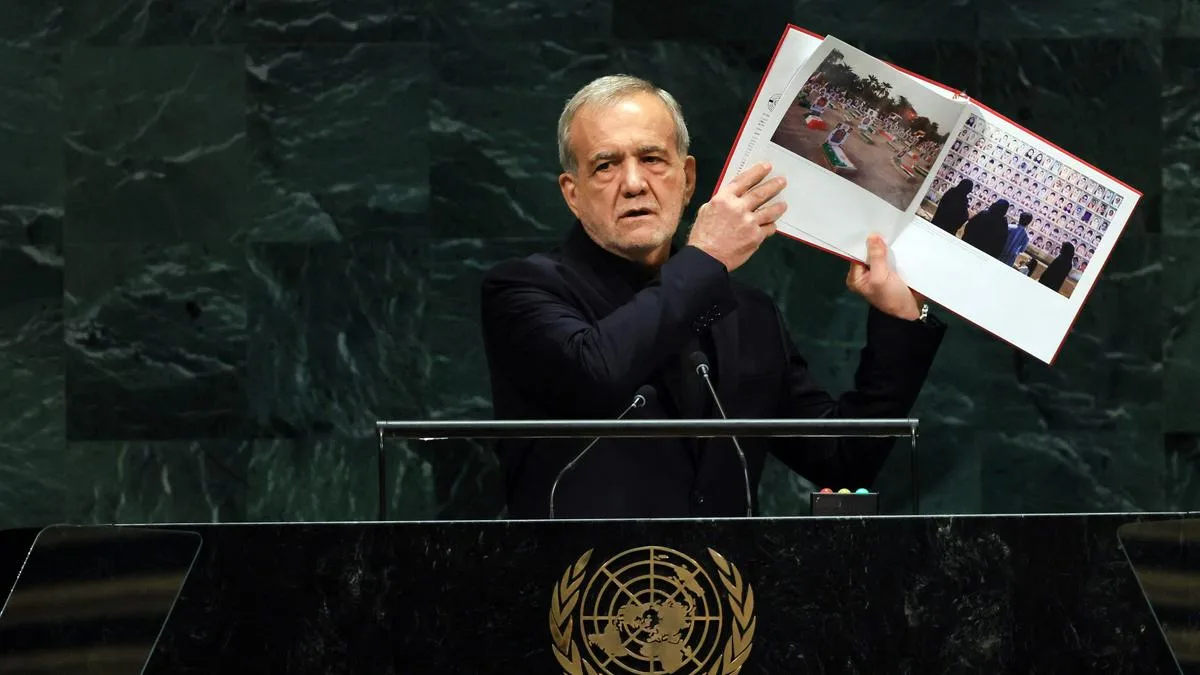
Iranian President Masoud Pezeshkian delivered a fiery address at the United Nations on Wednesday, vowing that Tehran would never "bend the knee" to US pressure following President Donald Trump’s threat to "annihilate" the Islamic Republic. The speech, delivered days after Trump warned of potential military action against Iran, marked a stark escalation in the rhetoric between the two nations amid a nearly seven-month-old conflict involving the US, Israel, and Iran.
Defiant Speech at UN
Pezeshkian’s address, his first at the UN since the war with the US and Israel began, was a direct response to Trump’s remarks on Tuesday, in which the US president suggested he was weighing "annihilation" of Iran. "He must know that the resistance of the Iranian people will only increase in the face of sanctions, increased pressure, increased bullying," Pezeshkian said, vowing that Iran would "never bow our head or bend at the knee."
The Iranian leader accused the US of "terrorism" for the assassination of former Supreme Leader Ayatollah Ali Khamenei at the war’s outset and insisted that Iran had not initiated hostilities. "We have only defended ourselves," he said, citing the killing of over 150 Iranian schoolchildren in the war’s early days. He also criticized Israel’s nuclear capabilities, calling its actions in Gaza "genocide" and accusing the country of violating international law.
A US delegation official walked out during Pezeshkian’s speech, reflecting the deepening rifts between the two nations. The Iranian president’s remarks came as intermittent attacks continued in the Strait of Hormuz, a critical waterway for global energy trade, which Iran has effectively blocked since the war began.
Context of the US-Iran Conflict
The conflict, which began in late February, has seen Iran and its allies clash with US and Israeli forces, with both sides accusing each other of escalating violence. A preliminary ceasefire agreement in June collapsed after Iran resumed attacks on shipping and the US reinstated its blockade of Iranian ports. Pezeshkian reiterated Iran’s demand for the blockade’s end and the release of frozen assets as preconditions for negotiations.
Trump’s threat to "annihilate" Iran followed a series of indirect talks between US and Iranian officials, mediated by Qatar, which resumed at the UN. However, Iran’s foreign ministry described the discussions as "not anything new," emphasizing that its stance remained unchanged. "We are ready for dialogue and diplomacy, but not under coercion," Pezeshkian said, calling for an end to what he described as US "bullying."
Strait of Hormuz and Global Energy Prices
Pezeshkian condemned the use of the Strait of Hormuz as leverage against Iran, stating that the waterway should not be "a tool of aggression." The strait, through which a fifth of global oil and gas shipments pass, has been a focal point of the conflict, with disruptions driving up energy prices worldwide. Iran’s restrictions on shipping have exacerbated global supply chain challenges, particularly for countries reliant on Middle Eastern oil.
The US has faced domestic political pressure over the war’s impact on fuel prices, which threaten to cost Trump’s Republican Party control of Congress in November’s midterms. However, Trump has downplayed the domestic consequences, focusing instead on his administration’s approach to the conflict.
Diplomatic Efforts and Visa Issues
Pezeshkian’s attendance at the UN was initially in doubt due to concerns over whether the US would issue him a visa. While Washington eventually granted the permit, it denied visas to several members of his delegation, raising questions about the scope of Iran’s diplomatic engagement. The move underscored the broader tensions between the two nations, even as both sides engaged in backchannel discussions.
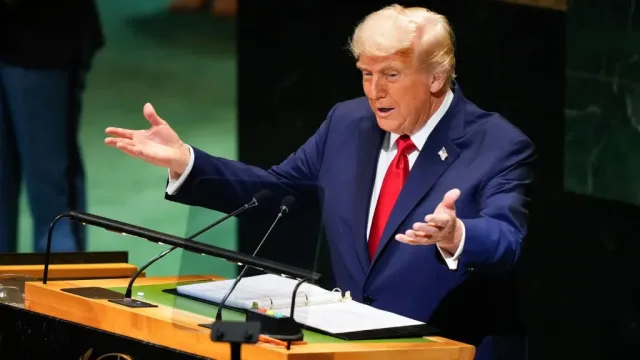
Meanwhile, the UN agenda also included debates on artificial intelligence, with executives from major tech firms set to brief the Security Council on risks associated with AI development. Trump, in his own UN address, rejected calls for international regulation of AI, calling such proposals a "globalist scheme."
| Detail | Information |
|---|---|
| Date of Pezeshkian’s UN Speech | 2026-09-23 |
| US-Iran Conflict Duration | Nearly seven months (since late February 2026) |
| Strait of Hormuz Status | Effectively closed due to Iranian missile and drone attacks on shipping |
| Key US-Iran Negotiation Conditions | End of US blockade of Iranian ports and release of frozen assets |
Broader UN Agenda and Unresolved Issues
The UN gathering also addressed other global crises, including Russia’s war in Ukraine and the ongoing humanitarian crisis in Gaza. Ukrainian President Volodymyr Zelensky, who met with Trump on Tuesday, expressed hope for a swift resolution to the conflict, while Iran’s Pezeshkian reiterated his calls for international accountability over the war’s civilian toll.
The speech and subsequent diplomatic engagements highlight the fragile state of US-Iran relations, with both sides seeking to balance confrontation and negotiation. As the conflict enters its eighth month, the prospects for a sustainable resolution remain uncertain, with Iran’s defiance and the US’s military posturing shaping the trajectory of the crisis.
Frequently Asked Questions
Why is Iran refusing to "bend the knee" to the US?
Iranian President Masoud Pezeshkian has framed his defiance as a response to US threats, including President Donald Trump’s suggestion to "annihilate" Iran. Pezeshkian accused the US of "terrorism" for the assassination of Iran’s former supreme leader and criticized sanctions, emphasizing that Iran would not yield to what he called "bullying."
What is the significance of the Strait of Hormuz in this conflict?
The Strait of Hormuz, a critical global energy route, has been effectively closed by Iran since the war began, disrupting shipping and driving up energy prices. Pezeshkian condemned the US for using the strait as leverage, while the US has maintained a blockade of Iranian ports, further complicating diplomatic efforts.
What is the status of US-Iran talks?
Indirect talks between US and Iranian officials resumed at the UN, mediated by Qatar. However, Iran has reiterated its conditions for negotiations, including the end of the US blockade of Iranian ports and the release of frozen assets. The talks have not yet produced a breakthrough, with both sides maintaining entrenched positions.
The next major test for diplomatic efforts will come as US and Iranian representatives continue to engage in backchannel discussions, while the conflict’s impact on global energy markets and regional stability remains a pressing concern. With tensions high and no clear path to resolution, the UN’s role in mediating the crisis will be closely watched in the coming weeks.
How significant is this wire dispatch?
Cast your anonymous vote to register reader consensus across journalism and intelligence sectors.
Dateline Wire is dedicated to independent, evidence-backed reporting. This briefing was synthesized from primary source reporting, corroborated across independent newsrooms, and verified against our Editorial Standards.