Jensen Huang returns as Nvidia CEO 11 days after stepping down
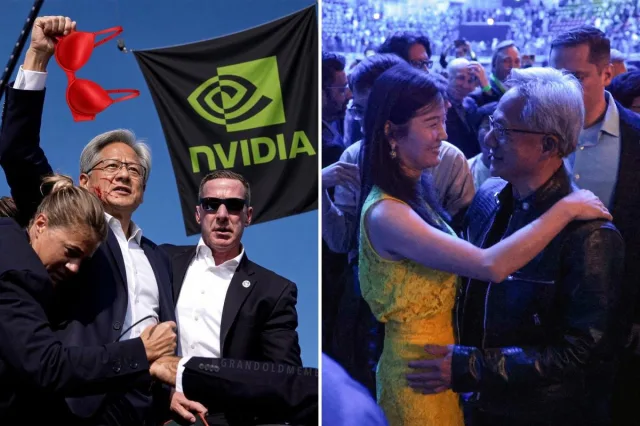
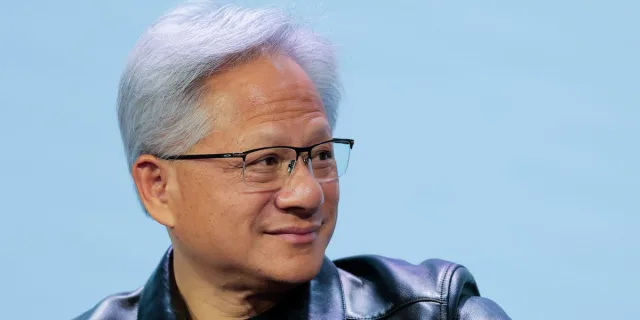
Jensen Huang has officially returned as Nvidia CEO eleven days after stepping down, sparking a stock surge and intense debate over White House intervention.
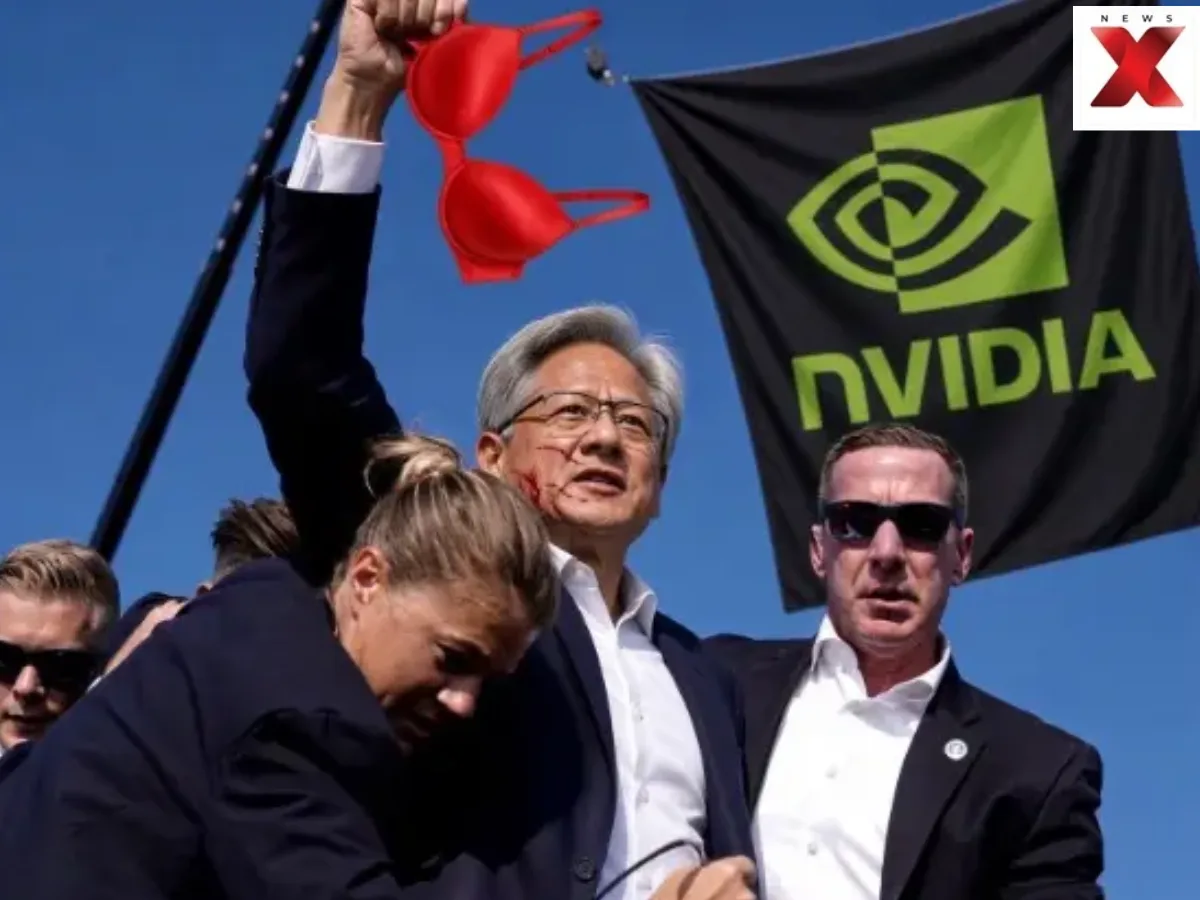
Jensen Huang returns as Nvidia CEO 11 days after stepping down
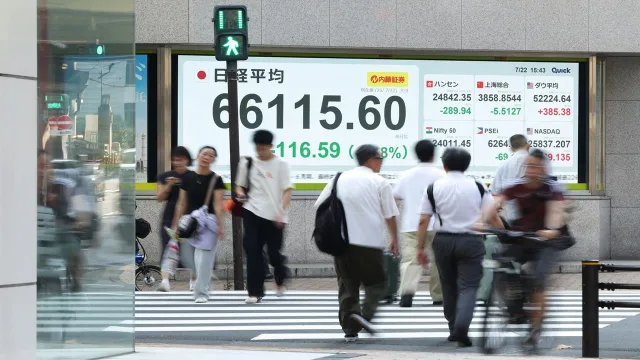
For ordinary investors, employees, and crypto traders, the return of Jensen Huang brings an abrupt halt to an eleven-day corporate drama that had sent global markets into a tailspin. Nvidia announced that Huang is officially back as chief executive, reversing his sudden departure on November 12. The reinstatement triggered an immediate financial earthquake, sending Nvidia’s stock surging over 30 percent to close at $165.05 on November 23, while lifting the Nasdaq index in a single-day market capitalization increase of $2 trillion.
The eleven-day saga began when The New York Times reported that the 63-year-old founder had been involved in a third extramarital affair with an employee under his supervision. That revelation compounded mounting scrutiny over his personal relationships, including ties to Alice Huang, a Chinese businesswoman and former executive at Singapore-based Megaspeed whom Beijing has rejected accusations of being a spy. Faced with a plunging stock price that had dropped nearly 30 percent, an emergency board meeting lasting past midnight, and the looming threat of legal consequences, the board forced Huang out. Yet behind closed doors, a high-stakes campaign involving the White House, Silicon Valley heavyweights, and major shareholders rapidly orchestrated his dramatic comeback.
This episode demonstrates how profoundly American corporate governance has fused with state power, where the survival of a single tech titan transcends internal HR policies to become a matter of national security. The central reading of this crisis is that Nvidia has become too big to fail
for the United States economy, leaving federal authorities and market kingmakers with no viable alternative to its founder. When computing power effectively operates as the oil of the modern era, the governance of a chipmaker is subject to geopolitical intervention that routinely overrides traditional board oversight. That reality shaped every phase of Huang's redemption, turning a personal misconduct scandal into a public test of American technological hegemony.
The swiftness of Huang’s reinstatement was engineered largely from Washington. US President Donald Trump admitted during a CNBC interview that he orchestrated an unprecedented political intervention to convince Nvidia’s board, stating, I’ve been talking to the board, both directly and indirectly, and I had a very strong opinion on the matter.
Trump placed phone calls to board members, spoke with Elon Musk, and ultimately reached out to Huang on Sunday night with a direct mandate. Alongside the president, Attorney General Bland endorsed Huang after reviewing intelligence that found no illegal activities, while Vice President Vance communicated directly with the company leadership. The primary motivation for this federal rescue was stark: preventing China from recruiting Huang. As Trump explained to justify his intervention, If we hadn’t done this, China could come and say to Jensen,
Hey, would you like to come to China?
... People say, is it a threat to have him? No, it’s a threat to lose him.
Disclosures, market shockwaves, and entrenched opposition
Before resuming charge on Monday, Huang disclosed additional extramarital affairs to the Nvidia board beyond the three relationships previously mentioned in media reports, according to the Wall Street Journal. Nvidia directors spent several hours questioning Huang during a lengthy Sunday afternoon meeting, during which he discussed the additional relationships and expressed remorse over his conduct. Those disclosures followed weeks where the public learned of his relationship with Alice Huang; an alleged affair with Nvidia vice president of healthcare Kimberly Powell, who reported directly to him; and a third undisclosed employee. Returning to headquarters on Monday, Huang received a loud welcome from employees who greeted him with cheers of We love you, Jensen!
Addressing the staff, he took full accountability: I'm terribly sorry for putting all of you through all of this. I've made some very terrible mistakes, and I'm going to work on coming back,
adding that he has reconciled with his wife, Lori Huang.
The market turbulence surrounding his absence rippled far beyond equities, briefly whipsawing digital assets. Bitcoin jumped about 5 percent on the headline of Huang's return, spiking to approximately $64,400 to $64,500 before giving back the entire gain before the US stock market closed, ending down roughly 2 percent at around $60,000. That round trip underscored how tightly crypto trades as a high-beta tech asset alongside growth stocks.
Not everyone celebrated the reinstatement, as a faction of political leaders and cabinet officials view the White House intervention with deep alarm. Key details of the opposing factions illustrate the fractured landscape:
- Democratic lawmakers including Schumer, Warren, and Himes condemned the move and prepared closed-door House committee inquiries for December 1 alongside a Senate Banking Committee public hearing on December 3.
- Cabinet hawks including Secretary of State Rubio, who authored a spring classified memo attempting to leverage Huang's personal connections to restrict chip exports to China, and Treasury Secretary Bessent, who initially demanded an outside CEO, were left in a passive position.
- Vocal allies including Elon Musk and more than 200,000 signatories of the Stand With Jensen manifesto drove the corporate push for his return, alongside major shareholders Altimeter Capital Management and Atreides Management.
- Internal board resistance crumbled rapidly, shifting from newly appointed chairman Harvey Jones declaring on November 17 that the board had
no intention
of rehiring Huang, to unanimously approving his return six days later.
The strongest counter-view to the White House intervention comes from congressional Democrats and national security hardliners, who argue that setting aside multiple workplace misconduct disclosures and governance standards simply to protect a corporate asset sets a dangerous precedent. In their view, presidential meddling in private boardrooms compromises the rule of law and neuters oversight of export controls. Furthermore, model advocates led by Anthropic co-founder Dario Amodei reportedly pushed for Huang's initial ouster to reshape the AI regulatory environment, seizing the capital markets window when Anthropic went public on November 19. Yet proponents of the administration's stance counter that idealism is a luxury when facing a global race for artificial intelligence supremacy where losing Nvidia's institutional knowledge to a foreign competitor represents an unacceptable national risk.
The road ahead for corporate governance and political scrutiny
The hardest question left in the wake of this reinstatement is whether Nvidia's board can ever maintain genuine independence from the executive branch after a presidential rescue. When a corporation grows so vital to national competitiveness that its CEO can survive serial misconduct disclosures through direct presidential intervention, the traditional boundaries separating private enterprise from state strategy dissolve completely. Huang reclaimed his throne in 11 days, but Nvidia can never return to an era where it operated solely as a technology company free from political entanglement. The looming congressional inquiries in December, along with ongoing investigations by the SEC and the Department of Justice, guarantee that the tension between Silicon Valley innovation and Washington oversight will intensify.
For investors, employees, and industry partners, the immediate leadership crisis is settled, but the broader regulatory environment remains intensely volatile. Observers watching this unfolding saga should monitor the upcoming closed-door congressional hearings on December 1 and the Senate Banking Committee public hearing on December 3, which will test whether lawmakers can successfully challenge the White House's cozy alignment with Silicon Valley's most powerful executive. The market may have priced in the relief of Huang's return, but the regulatory reckoning for the artificial intelligence industry has only just begun.