Afghanistan School Blast Kills Several Students in Kunar Province
An explosion near a middle school in Afghanistan's Kunar province has left at least six students dead and 97 injured, amid conflicting reports over the cause.
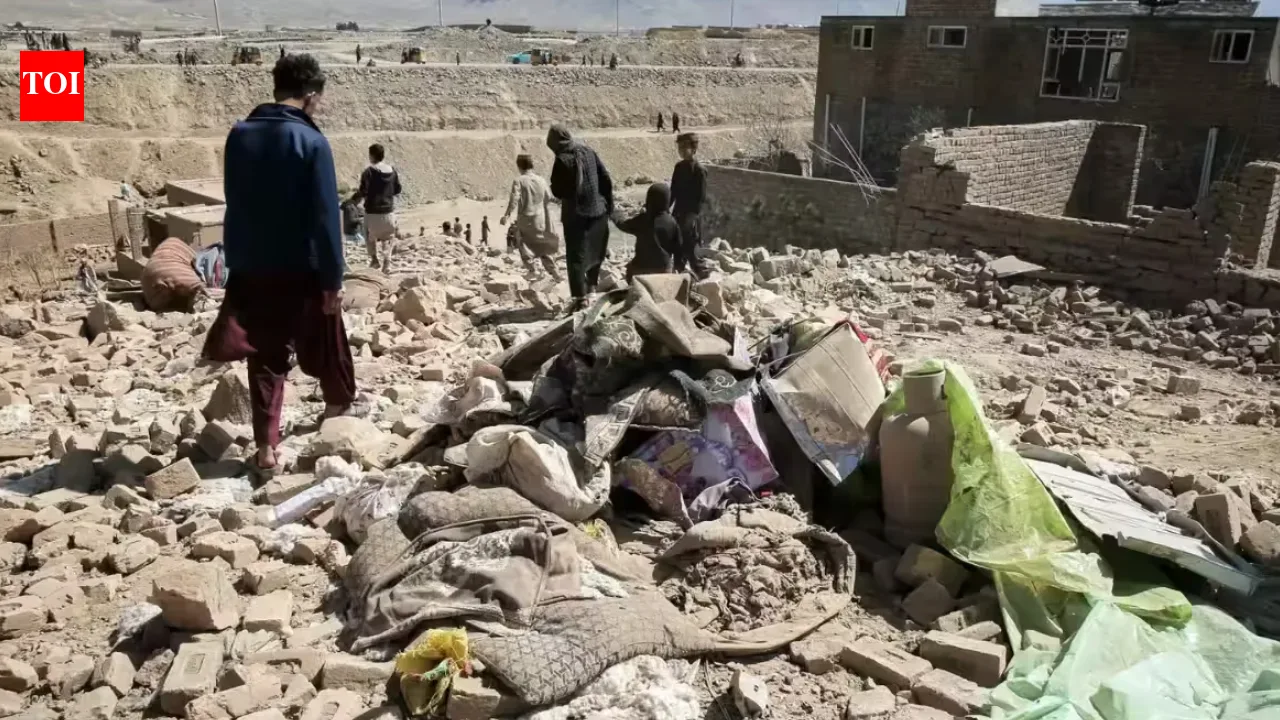
Morning Explosion Strikes Near Eastern Border
An explosion tore through a site adjacent to a middle school in eastern Afghanistan's Kunar province on Saturday morning, killing at least six students and injuring 97 others according to initial medical figures. The blast, which struck at about 10 am or 05:30 GMT in the Andar Ser area of the border region, immediately drew emergency investigative teams from the province to examine the wreckage. While local police initially reported that casualties were unconfirmed and the cause undetermined, regional cultural officials quickly pointed to stored industrial material as the source of the devastation.
That conflicting early picture left officials scrambling to account for the heavy toll in a province that shares a border with Pakistan. The figures were initial and the casualty numbers could change as more information becomes available,
Mawla Dad, the head of Kunar Provincial Hospital, told Al Jazeera said, highlighting the immense pressure on local medical facilities as wounded children arrived for treatment.
The tragedy highlights the persistent dangers faced by students attending classes across a country scarred by conflicts. Investigators on the ground must now determine how explosives came to be housed directly alongside a populated educational facility, even as families mourn the latest young lives lost to sudden violence.
Conflicting Accounts From Regional Officials
The immediate aftermath of the blast produced starkly different explanations from various departments within the local administration. Farid Dehqan, spokesperson for the Kunar Provincial Police Headquarters, stated that authorities had yet to establish what triggered the explosion or determine the full extent of the casualties when emergency teams arrived at the site. Conversely, Mawlawi Sami-ul-Haq, the director of Information and Culture in Kunar, offered a specific source for the detonation during his separate briefing to Al Jazeera.
Sami-ul-Haq maintained that the explosion occurred inside a residential house situated immediately beside the middle school in the Andar Ser area. According to his account, the property belonged to people involved in mining operations who had stored dynamite there. That commercial storage failure appears to have triggered the catastrophic blast just as classes were underway.
Independent reports from other regional desks added further geographic confusion during the initial hours of the developing story. Initial reports carried by outlets such as The Daily Jagran noted unconfirmed accounts suggesting an explosion had occurred at a school in the Shigai area of Asadabad, the provincial capital of Kunar, Afghanistan, before official clarifications anchored the incident firmly in the Andar Ser locality.
Casualties and Response Metrics
| Official Source | Reported Dead | Reported Injured | Stated Cause |
|---|---|---|---|
| Mawla Dad (Kunar Provincial Hospital) | At least 6 | 97 | Explosion next to a middle school |
| Mawlawi Sami-ul-Haq (Information and Culture) | Not provided | Not provided | Dynamite stored in a house by miners |
| Farid Dehqan (Kunar Provincial Police) | Several | Several | Under investigation (unknown) |
The stark disparity between the cautious police statements and the detailed hospital counts shows the information flow that typically follows major incidents in remote Afghan provinces. While the police headquarters acknowledged only that several students had been killed or wounded without offering numerical precision, the medical establishment bore the brunt of trauma cases.
The regional hospital's capacity to handle 97 injured patients points to a mass-casualty event that instantly overwhelmed local medical infrastructure. Investigative teams dispatched by the provincial government face the task of reconciling the mining storage claims with forensic evidence from the blast radius.
That investigative delay leaves families and observers waiting for a definitive account of accountability. The lack of uniform reporting from the outset demonstrates the hurdles facing regional authorities when disaster strikes peripheral educational centers.
Broader Patterns of Educational Vulnerability
Saturday's disaster in Kunar does not stand in isolation, arriving amid a series of security failures and accidents affecting schools across Afghanistan in recent months. Educational facilities and young students have repeatedly borne the cost of lax safety enforcement, unexploded ordnance, and targeted militant violence over the past few years.
Just months prior in August, a hand grenade attack struck a school complex in the Afghan capital of Kabul, wounding more than 40 children aged between nine and 14. That urban assault demonstrated the persistent physical threats confronting students even in major metropolitan classrooms.
Hazardous debris from past conflicts also continues to maim youth in rural districts far from active frontlines. As noted by reports covering regional safety hazards, nine teenagers were injured in Samangan province after playing with an unexploded hand grenade in Hazrat Sultan district on November 26.
The convergence of militant attacks, discarded munitions, and hazardous commercial storage near schools creates an unremitting crisis for Afghan children seeking basic education. Each incident forces regional administrations to pledge stricter oversight, yet safety protocols remain dangerously lax across provincial towns.
Unresolved Questions and Next Steps
As investigative teams continue combing through the rubble in the Andar Ser area, critical gaps remain in the official narrative surrounding the disaster. Authorities have not yet clarified whether the miners storing the dynamite possessed legal permits for commercial explosives or if criminal negligence charges will follow for the property owners.
The exact age breakdown and identities of the at least six dead students have also not been publicly released by provincial health officials. Further updates depend entirely on the final findings of the Kunar investigative teams currently stationed at the border province site.
The tragedy leaves the provincial administration with the urgent burden of enforcing safety buffers around all educational institutions in mining-heavy districts. That regulatory failure, rather than hostile action, stands as the immediate catalyst behind Saturday's devastating loss of young lives.