Nigerian Nollywood Veteran Actor Taiwo Hassan Ogogo Dies at 66 From Cancer
Legendary Nollywood actor Taiwo Hassan, known as Ogogo, has passed away at age 66 following a battle with cancer.
- Headline: Nigerian Nollywood Veteran Actor Taiwo Hassan Ogogo Dies at 66 From Cancer
- Dispatch Summary: Legendary Nollywood actor Taiwo Hassan, known as Ogogo, has passed away at age 66 following a battle with cancer.
- Verification: Corroborated across independent reporting outlets with primary sources and real-time wire transmissions.
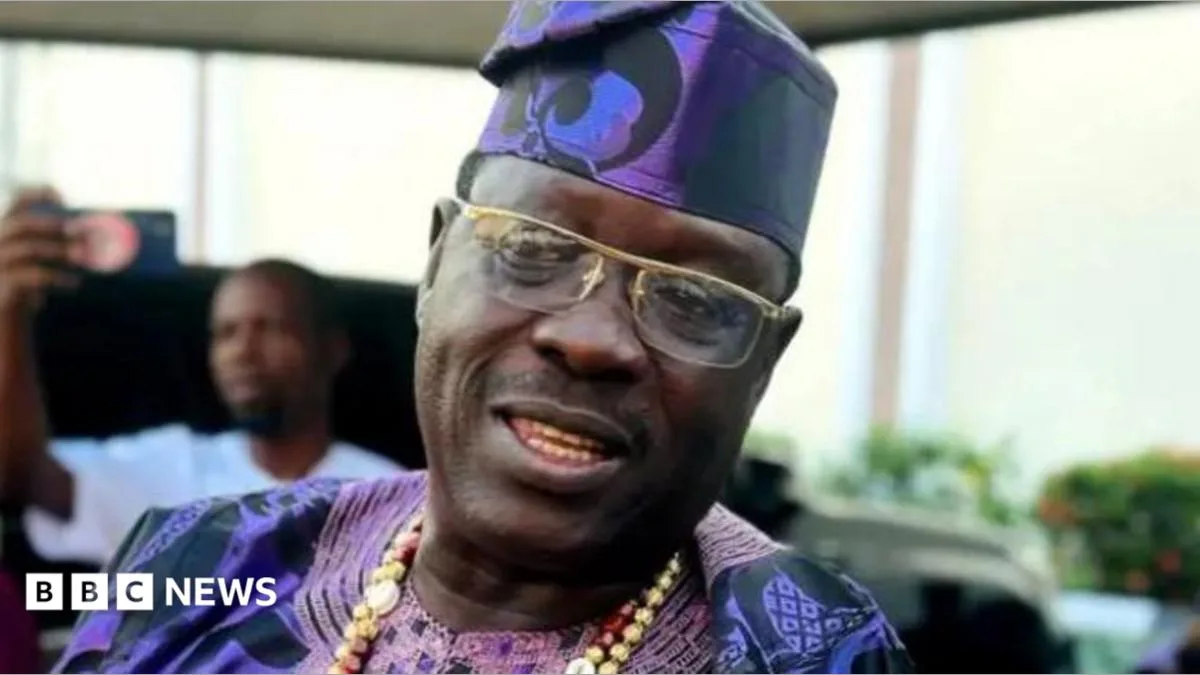
Taiwo Hassan, the veteran Nigerian actor known as Ogogo, has died at 66 after a battle with cancer, according to multiple reports. His passing, confirmed by his daughter Kira Hassan during an emotional Instagram live broadcast, has sent shockwaves through Nollywood and the Yoruba film community, which mourns the loss of a figure who became synonymous with the industry’s cultural and artistic legacy.
Ogogo, born Taiwo Hassan in Ilaro, Ogun State, on October 31, 1959, rose from humble beginnings as an automobile mechanic to become one of Yoruba cinema’s most iconic performers. His career, spanning over four decades, saw him transition from theatre to film, television, and even streaming platforms, leaving an indelible mark on Nigeria’s entertainment landscape. His role as the Alaafin of Oyo in the 2023 Netflix film *Aníkúlápó* earned critical acclaim and a Best Supporting Actor nomination at the Africa Magic Viewers’ Choice Awards, cementing his relevance in a rapidly evolving industry.
Before his rise to stardom, Ogogo worked at the Lagos State Water Corporation for 13 years while pursuing acting. He began his theatrical journey in 1981, initially performing in plays at the National Museum in Onikan, Lagos. His early role as an ewi chanter, a traditional Yoruba performer, reflected his deep connection to his cultural roots. By 1994, he had fully committed to the entertainment industry, a decision that coincided with the home-video boom in Nollywood. Over the years, he appeared in over 300 films, including classics like *Owo Blow*, *Agbelebu*, and *Omo Ghetto*, and also worked as a producer, director, and screenwriter.
The actor’s death came after a prolonged struggle with cancer, which his daughters, Lima and Kira Hassan, publicly disclosed in late August 2026. Their appeals for medical assistance, shared on social media, drew widespread attention and support from celebrities, medical professionals, and the public. However, the family later clarified that Ogogo had been denied chemotherapy as his condition progressed to stage 4, with palliative care becoming the focus. A medical professional cast doubt on the idea that hospitals had merely “refused” to treat him, pointing out that when disease-directed therapies are no longer suitable, advanced cancer patients can be transferred to palliative care. Despite efforts to secure specialized treatment, he passed away on August 23, 2026, at 3 p.m., according to veteran actor Jide Kosoko, who announced the news.
Ogogo’s funeral arrangements were confirmed for Monday, August 24, 2026, with a lying-in-state ceremony at the Pavilion in Ilaro, his hometown. The burial, conducted in accordance with Islamic rites, underscored his deep ties to Ogun State and the Yoruba community. Lagos State Governor Babajide Sanwo-Olu’s government paid tribute to the actor, describing him as a “cultural ambassador” who preserved Yoruba heritage through his work. Commissioner for Tourism, Arts and Culture Toke Benson-Awoyinka highlighted his role as a “gifted storyteller” who introduced global audiences to Yoruba traditions, values, and storytelling.
Tributes poured in from colleagues and fans across Nollywood. Actor Prince Jide Kosoko, who announced Ogogo’s death, called him a “pillar of Yoruba cinema,” while fellow actors like Odunlade Adekola and Femi Adebayo hailed him as a legend. The emotional outpouring reflected the breadth of his influence, from older generations who remembered his early theatre work to younger audiences who discovered him through *Aníkúlápó*. His ability to transcend eras — shifting from traditional Yoruba films to modern streaming productions — marked him as a bridge between Nigeria’s cinematic past and present.
Ogogo’s legacy extends beyond his on-screen roles. His technical background in automobile engineering and his early career in public service shaped a unique path that resonated with Nigerians. Born into a family with ties to Yoruba masquerade culture, he carried the weight of tradition into his performances, often embodying characters rooted in family disputes, authority, and social struggles. His imposing presence and distinctive voice made him instantly recognizable, and his work helped elevate Yoruba cinema’s global profile.
The actor’s final days were marked by a mix of hope and heartbreak. His daughters’ public appeals for medical aid highlighted the challenges of accessing specialized cancer care in Nigeria, while the swift response from the public underscored his status as a beloved figure. Despite the tragedy, his passing has sparked renewed appreciation for his contributions to Nigerian culture. As Ilaro prepares to honor him with a burial that reflects his roots, the Yoruba film community grapples with the loss of a man who, in the words of the Lagos State government, was “more than an actor”, a custodian of heritage and a beacon of artistic excellence.