DWP takes online services offline following cyber incident
The DWP has temporarily taken major benefit portals offline following a cyber incident, though officials insist regular payments remain unaffected.
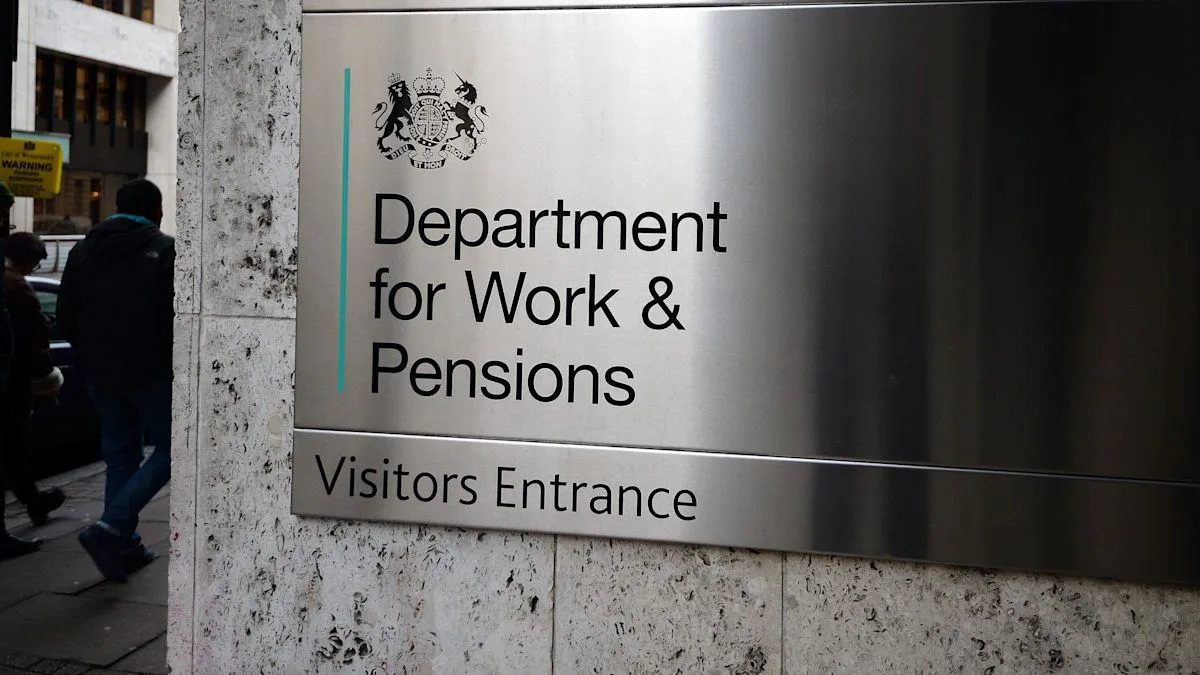
The Department for Work and Pensions has pulled its major benefit portals offline following a cyber incident. As of around 09:00 GMT on Friday, Nov. 27, 2026, online systems for pensions, Universal Credit, and Personal Independence Payment (PIP) applications became inaccessible, alongside the "Tell Us Once" service used to inform government bodies when someone has died. While officials insist regular benefit and pension payments will be paid as normal and are not affected, users trying to sign in to their Universal Credit accounts are met with temporary disruption screens.
The department is attempting to contain the situation while reassuring claimants that their money is safe. The official line from a DWP spokesperson is: We have taken some DWP online services offline as a precaution after we identified a cyber incident affecting our systems.
The agency adds that it is working closely with the National Cyber Security Centre and the Government Cyber Coordination Centre to investigate and to bring services back online as quickly as possible and to minimise any disruption. The government has not confirmed what type of cyber incident is impacting its systems, whether any personal data has been accessed, or when services are expected to be restored.
Systems Affected and Precautions Taken
The outage affects the department's systems, preventing users from logging into their accounts to manage claims. Despite the shutdown, the department maintains that regular benefit and pension payments are not affected and will be paid as normal.
The department issued a specific warning regarding opportunistic fraud during the outage, stating: As always, we will never message you to ask for bank details or ask you to click on links.
For those trying to navigate the blackout, the department advises that if an online service you need is unavailable, please try again later.
- Earlier this month: A National Cyber Security Centre report urged organisations to strengthen their defences against hackers.
- Last month: The government carried out inspections on several websites after a flaw was identified in a programming language used around the world.
- Friday, Nov. 27, 2026, around 09:00 GMT: Online systems for pensions, Universal Credit, and PIP applications become inaccessible due to a cyber incident.
Broader Warnings and Prior Digital Vulnerabilities
The disruption arrives on the heels of warnings from the National Cyber Security Centre about the growing threat of cyber attacks, particularly those fuelled by advances in AI technology. Richard Horne, chief executive of the NCSC, said there was a real prospect of an unprecedented rise in the number of cyber incidents.
Furthermore, just last month, the government carried out inspections on several websites after a flaw was identified in a programming language used around the world.
That background suggests the DWP shutdown is part of a wider threat landscape confronting government infrastructure. The government has not yet indicated when the affected services are expected to be restored.
What Affected Claimants Can Do Right Now
Claimants must exercise caution while awaiting updates from official channels. If you rely on these government services, here are the steps supported by the available reports:
- Check back periodically if you need to access your Universal Credit, pension, or PIP application portals, as the DWP advises users to try again later.
- Monitor your bank accounts, keeping in mind that regular benefit and pension payments are not affected and will be paid as normal.
- Ignore any unsolicited messages, keeping the department's warning in mind:
As always, we will never message you to ask for bank details or ask you to click on links.
As the investigation continues, officials at the National Cyber Security Centre and the Government Cyber Coordination Centre are working with the DWP to investigate and to bring services back online as quickly as possible and to minimise any disruption.