Iran Denies Trump Claim of New Talks as US President Calls Off Strikes
Iran has rejected Donald Trump's assertion that new negotiations between the U.S. and Tehran would commence, even as the American leader called off planned military strikes.
- Headline: Iran Denies Trump Claim of New Talks as US President Calls Off Strikes
- Dispatch Summary: Iran has rejected Donald Trump's assertion that new negotiations between the U.S. and Tehran would commence, even as the American leader called off planned military strikes.
- Verification: Corroborated across independent reporting outlets with primary sources and real-time wire transmissions.
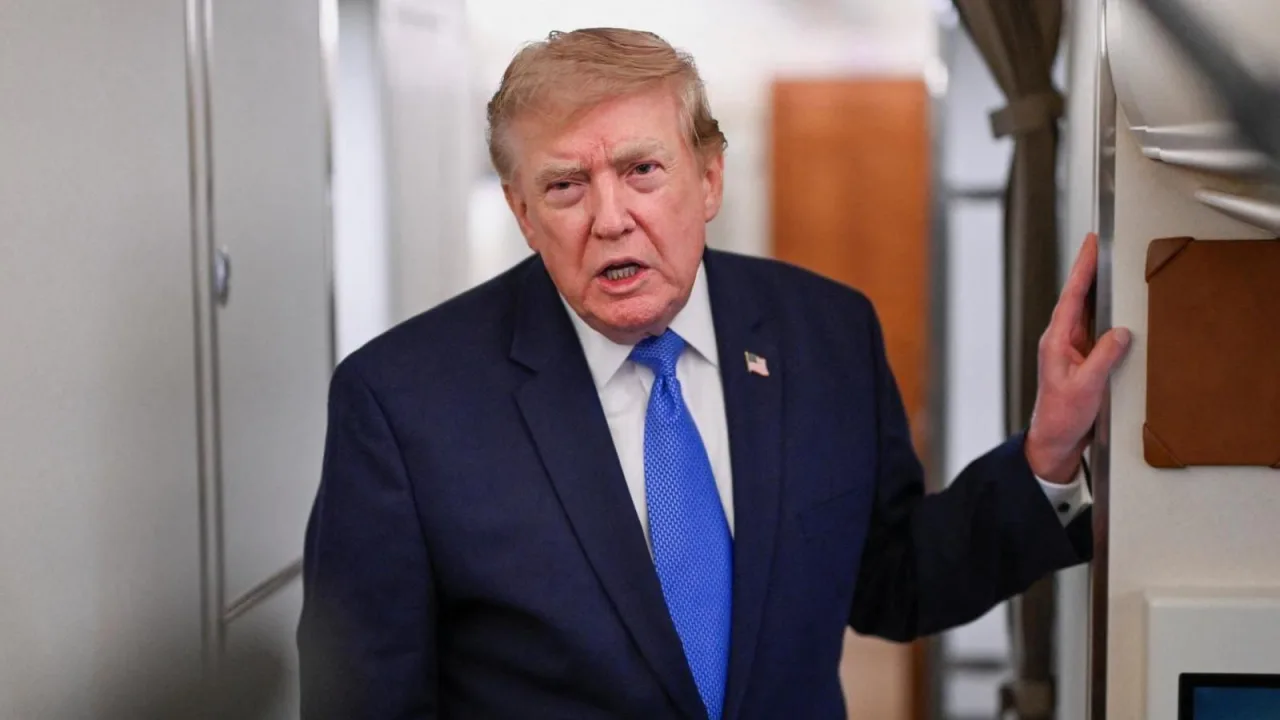
U.S. President Donald Trump announced on Sunday that a new round of U.S.-Iran peace talks would begin on Monday, following his decision to cancel planned military strikes against Iran. Trump claimed the talks, focused on the Strait of Hormuz and Iran’s nuclear program, were imminent, despite Iran’s continued denial of direct negotiations. The announcement came amid escalating tensions over maritime control and regional security, with Iran emphasizing its ongoing discussions with Oman to establish a temporary safe route through the strait.
Trump stated that key Gulf leaders, including Saudi Crown Prince Mohammed bin Salman, had urged him to prioritize diplomacy over military action. “The deal is imminent, having to do with the Hormuz Strait and also, ultimately, the denuclearization of Iran,” he said. However, Iranian Foreign Ministry spokesperson Esmail Baghaei reiterated that Tehran was not engaging in direct talks with the U.S., calling Trump’s claims “unbelievably duplicitous.” Baghaei confirmed that Iran’s current efforts were limited to negotiations with Oman over a new maritime route, rejecting any suggestion of a broader agreement with Washington.
The U.S. president’s abrupt policy shifts have fueled skepticism about the durability of any new agreement, as past negotiations have repeatedly collapsed. Trump also denied Iran’s claimed control over the Strait of Hormuz, asserting that “nothing gets through to Iran, unless we want it to.” Analysts suggest Iran is unlikely to compromise unless the U.S. returns to a June memorandum of understanding, which experts describe as largely favorable to Tehran. “They are ready for the war, and they won’t back down,” said Amir al-Mousawi, a former Iranian diplomat who claimed to have met with Iran’s negotiating team over the weekend.
Meanwhile, an Iraqi politician alleged that Iraqi Prime Minister Ali al-Zaidi has been facilitating communication between Washington and Tehran as part of mediation efforts. The claim adds to the complexity of the conflict, with multiple actors involved in shaping the trajectory of negotiations. Iran’s internal divisions persist, with some factions advocating for continued military pressure while others seek diplomatic solutions.
The latest developments underscore the fragile state of U.S.-Iran relations, marked by alternating threats and conciliatory gestures. The Strait of Hormuz remains a critical flashpoint, with maritime trade tracking firm Kpler reporting a 28% drop in crossings through the waterway between 30 July and 2 August. Oil prices have fluctuated amid concerns over the conflict’s economic impact, with West Texas Intermediate dropping 4.7% to $80.72 per barrel on Monday.
Iran’s foreign ministry emphasized that any agreement with Oman would not restore the strait to its pre-conflict state, as Tehran insists on maintaining control over shipping traffic and charging fees for passage. The dispute over maritime access has been central since the conflict began in February 2026, when the U.S. and Israel launched surprise strikes against Iran, triggering months of on-off diplomacy and periodic escalations.
Iranian lawmaker Hassan Ghashghavi confirmed that mediators were working to revive the U.S.-Iran memorandum of understanding agreed in June. The agreement, which aimed to reopen the Strait of Hormuz, collapsed last month, prompting Iran to tighten its control over the waterway. Ghashghavi noted that discussions were focused on the “key issue” of the strait, with both sides exchanging views. Iranian President Masoud Pezeshkian also reiterated his stance, stating that Tehran must “compel the enemy to remain committed to what it has signed.”
How significant is this wire dispatch?
Cast your anonymous vote to register reader consensus across journalism and intelligence sectors.
Dateline Wire is dedicated to independent, evidence-backed reporting. This briefing was synthesized from primary source reporting, corroborated across independent newsrooms, and verified against our Editorial Standards.