Austin firefighters reflect on Ground Zero deployment 25 years after 9/11
Austin firefighters reflect on their harrowing 10-day deployment to Ground Zero after 9/11, discussing the enduring emotional trauma and health risks.
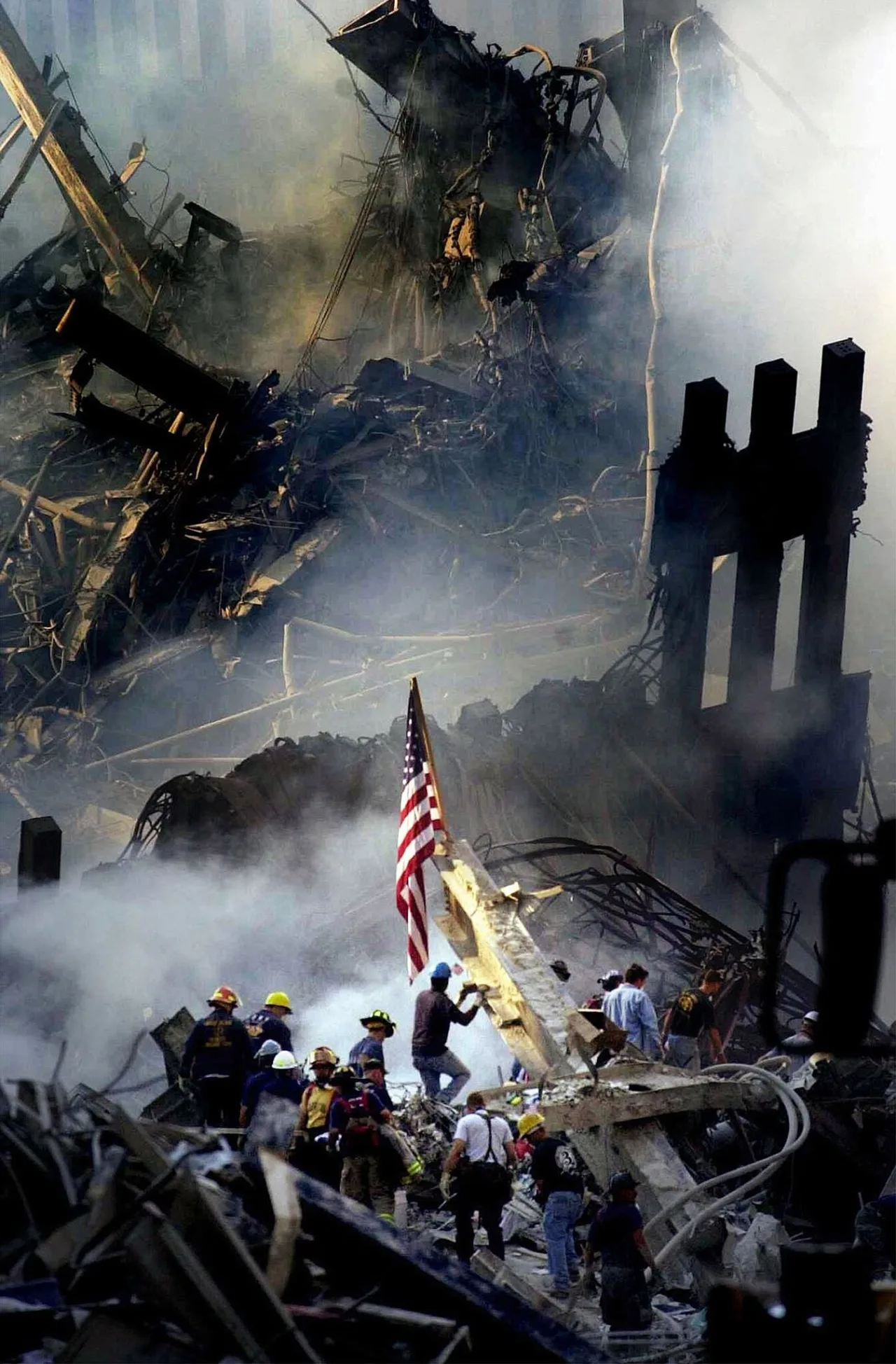
Twenty-five years after the Sept. 11 attacks, Austin firefighters who deployed to Ground Zero recall the harrowing work, the emotional toll, and the enduring legacy of their service. Eddie Martinez, Dawn Clopton, and Ralph Castillo, part of Texas Task Force 1, describe the physical dangers, the psychological weight of their mission, and the evolving public awareness of first responders’ health struggles.
Deployment to Ground Zero: A 10-Day Mission of Rescue and Recovery
In the days following the Sept. 11 attacks, 10 Austin Fire Department employees joined Texas Task Force 1 to assist in recovery operations at Ground Zero. The team worked 12-hour shifts across 10 days, navigating a landscape of collapsed buildings, smoldering debris, and the constant risk of further collapse. Their efforts included cutting through steel with torches, testing air quality for hazards, and supporting search-and-rescue operations amid the ruins of the World Trade Center.
“It was dangerous work,” said Martinez, now retired. “By some estimates, it has been linked to more than 49,000 cases of cancer among first responders.” Martinez, the youngest member of the Austin contingent at 20, recalls the superheated air and shifting debris that made every step uncertain. “It felt like a rumble and a shake,” he said of one moment when the rubble shifted beneath him. “Everything shifted over us.”
Ralph Castillo, the only civilian in the group, evaluated structural stability for rescue crews. He recalls a moment when a New York Fire Department chief asked if the rubble pile was safe. “No,” Castillo replied. “It’s not going to collapse, but I wouldn’t say this is safe.” His assessments were critical for teams like Clopton’s, who rappelled into voids to search for remains.
Emotional and Physical Toll: From Sirens to Cancer Fears
The emotional weight of the mission lingers for many. Clopton, a retired division chief, recalls the sound of a siren signaling the recovery of a firefighter’s remains. “Work stopped and quiet fell over Ground Zero,” she said. Firefighters formed lines to salute as the remains were carried past an American flag. “It was raining that day,” she added. “It made it easier for the responders to hide their tears.”
Clopton also remembers the solidarity among strangers. “As terrible as it was, I would like to see us get back to the days after,” she said, reflecting on the unity that briefly followed the attacks. But the trauma persists. Martinez, who retired earlier this year, fears cancer despite currently being healthy. “My biggest fear is that I’ll eventually get cancer,” he said.
Castillo’s most enduring memory is a handmade card from a New York child, left in a scrapbook of mementos. “Our prayers are with you,” the card reads, accompanied by a hand-drawn flag, peace symbol, and heart. “I never thought something like that would have an effect on me,” Castillo said, tearing up as he recalled the gesture. “But it did. All these years later, it still does.”
25 Years Later: A Shift in Public Awareness
This year’s anniversary has brought renewed attention to first responders’ experiences. Martinez noted that the public has shown more interest in hearing from those who served, leading him to reconnect with former teammates. Clopton, who avoided 9/11 ceremonies for years due to political posturing, decided to speak this year to share the realities of Ground Zero.
The health risks of 9/11 remain a pressing issue. Over 49,000 first responders have been diagnosed with cancer linked to exposure to toxic dust, according to federal data. Martinez, like many others, lives with the uncertainty of long-term effects. “I’m grateful to be healthy now,” he said. “But I don’t know what the future holds.”
Memorials and Legacy: Beyond the Debris
The Austin team’s work is part of a broader legacy of remembrance. In Pennsylvania, Rose Glaser organized a memorial at Penn State Berks, a 6-foot black granite monument etched with images of the World Trade Center and firefighters raising a flag. “There had to be something that people could view and just remember,” Glaser said, emphasizing the need to educate future generations.
Meanwhile, communities across the U.S. marked the anniversary with vigils, speeches, and reflections on the attacks’ lasting impact. In New York, a silent moment was added to honor those who died from illnesses linked to Ground Zero’s dust. “It’s a reminder of how the attacks’ long shadow has reached into many corners of life,” one report noted.
| Detail | Information |
|---|---|
| Number of Austin firefighters deployed | 10 |
| Duration of deployment | 10 days |
| Shifts per day | 12 hours |
| Estimated cancer cases among first responders | Over 49,000 |
Frequently Asked Questions
How many Austin firefighters were deployed to Ground Zero?
10 Austin Fire Department employees, part of Texas Task Force 1, deployed to Ground Zero in the days following the Sept. 11 attacks.
What health risks are associated with 9/11 first responders?
Exposure to toxic dust at Ground Zero has been linked to over 49,000 cancer cases among first responders, including firefighters like Eddie Martinez, who fears developing the disease.
What is the significance of the handmade card from a New York child?
Ralph Castillo, a member of Texas Task Force 1, keeps the card as a symbol of civilian gratitude. The message, “Our prayers are with you,” reminded him of the public’s support and left a lasting emotional impact.
As the 25th anniversary of 9/11 approaches, the stories of Austin firefighters like Martinez, Clopton, and Castillo underscore the enduring physical and emotional toll of their service. Their experiences, alongside memorials and ongoing health advocacy, ensure that the sacrifices of Sept. 11 remain part of the national narrative. For Martinez, the question remains: How many more will be affected by the unseen consequences of that day?
Dateline Wire is dedicated to independent, evidence-backed reporting. This briefing was synthesized from primary source reporting, corroborated across independent newsrooms, and verified against our Editorial Standards.