UK Experiences Most Dramatic Partial Solar Eclipse Since 1999
The UK witnessed its most dramatic partial solar eclipse since 1999 as the Moon obscured up to 96% of the Sun across much of the country.
- Headline: UK Experiences Most Dramatic Partial Solar Eclipse Since 1999
- Dispatch Summary: The UK witnessed its most dramatic partial solar eclipse since 1999 as the Moon obscured up to 96% of the Sun across much of the country.
- Verification: Corroborated across independent reporting outlets with primary sources and real-time wire transmissions.
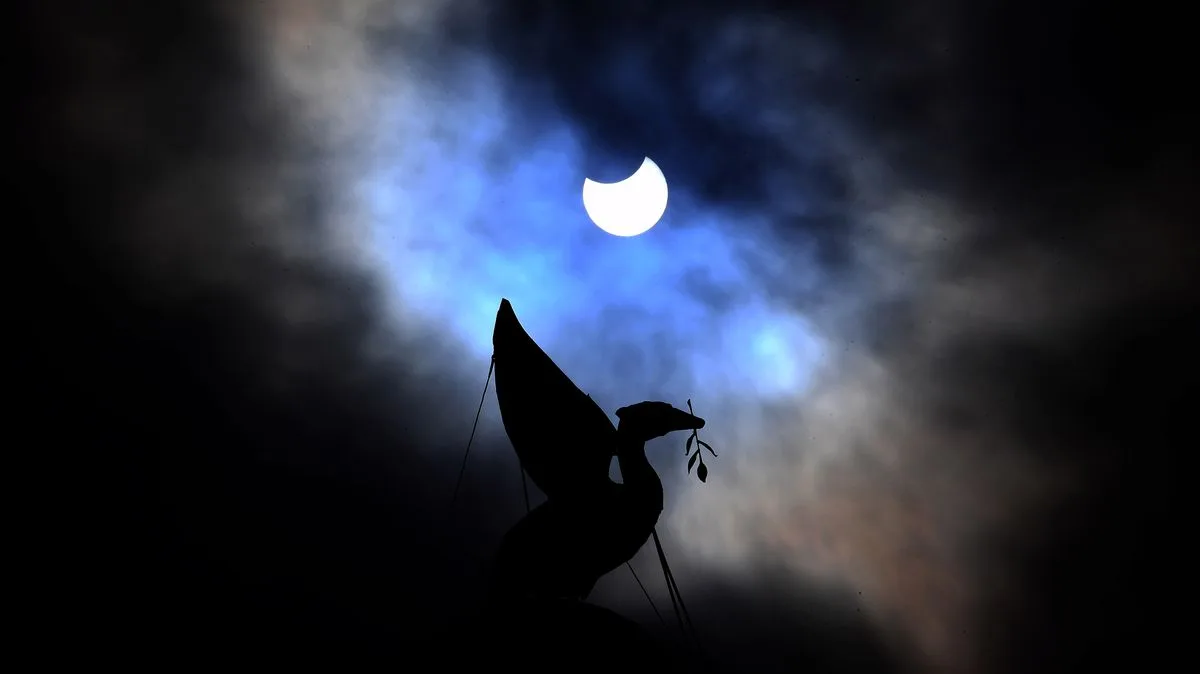
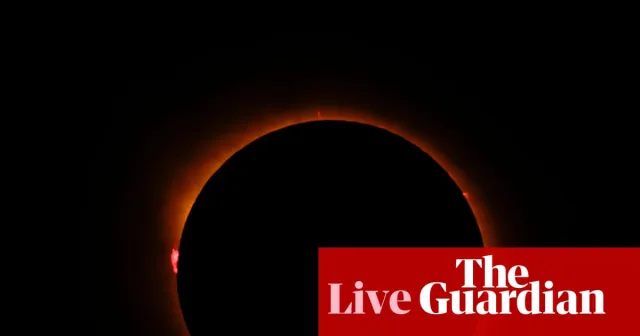
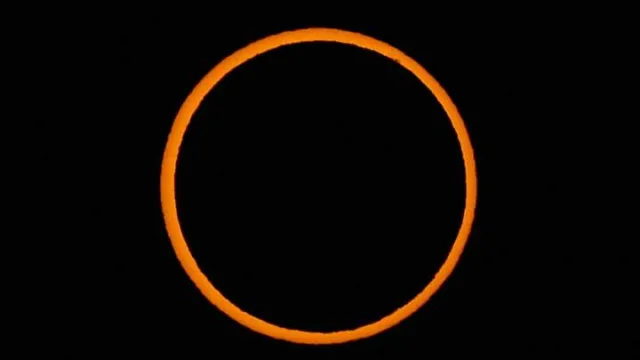
The UK experienced its most dramatic partial solar eclipse since 1999 on August 12, 2026, with the Moon obscuring between 90% and 96% of the Sun’s surface across much of the country. The event, which lasted approximately one hour and 50 minutes, marked the deepest eclipse visible from Britain and Ireland in nearly three decades. In Liverpool, the eclipse began at 6:13pm, reached its peak at 7:10pm, and concluded by 8:03pm, casting the sky into an eerie twilight as the Moon’s shadow swept across the region.
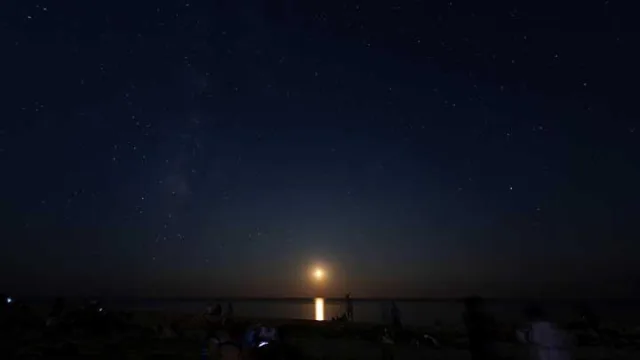
While the UK was treated to a partial eclipse, parts of northern Spain, Portugal, Iceland, and Greenland witnessed a total eclipse, the first such occurrence over mainland Europe in 27 years. In Spain, the Sun was completely obscured for up to two minutes, turning daytime into darkness and revealing the Sun’s corona. Solar eclipse chasers traveled from across the globe to witness the phenomenon, with estimates suggesting over 6 million people gathered along the path of totality. The event coincided with the annual Perseid meteor shower, though the brief darkness during totality offered only a slim chance of spotting a meteor.
Across the UK, the eclipse was visible in all regions, with the highest coverage recorded in southwest England and Wales, where up to 96% of the Sun was blocked. Areas like Devon, Cornwall, and western Pembrokeshire experienced the deepest partial eclipse, while northern and eastern parts of the country saw slightly less coverage. The Met Office provided detailed maps showing the percentage of the Sun obscured in each location, emphasizing that the event was the most significant since the 1999 eclipse, which occurred just hours after the birth of a child in Liverpool. Now 27, that child, Nathan Howe, celebrated his birthday under the same celestial spectacle that had marked his arrival.
Public interest in the eclipse was unprecedented, with solar eclipse glasses selling out weeks in advance. Major retailers, national parks, and the Royal Museums Greenwich exhausted their stock as thousands sought safe viewing methods. For those without specialized equipment, experts recommended indirect observation techniques, such as pinhole projectors or using a colander to filter sunlight. The UK Health Security Agency warned against direct viewing, noting that the reduced brightness during an eclipse could trick the eyes into looking directly at the Sun, causing irreversible retinal damage.
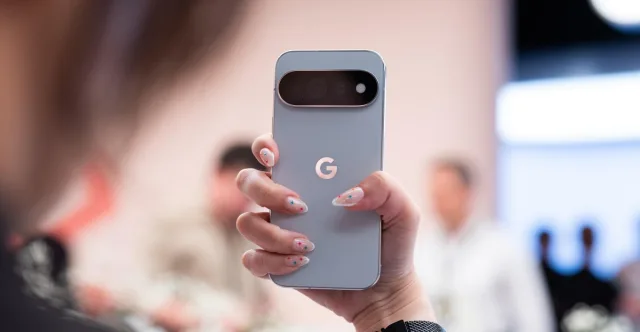
Photography posed additional challenges. NASA and astronomy groups advised using certified solar filters or eclipse glasses over smartphone lenses to prevent damage to camera sensors. Antonio Garcia Fernandez of Volunteer Astronomy Observers of Spain highlighted the importance of filters, citing the Solar Snap model as a smartphone-compatible option. The agency also cautioned against using magnifying lenses or unfiltered optical equipment, which could intensify the Sun’s rays and harm both devices and eyesight.
Local communities embraced the event with festivals, live music, and guided observation sessions. In Liverpool, Crosby Beach and Sefton Park became popular spots, while the Bus Yard bar hosted a special event with live entertainment. Jodrell Bank in Cheshire remained open for guided solar observations, and parks like Newsham Park and Birkenhead Park offered open spaces for stargazers. The Met Office reported largely clear skies, though some areas of northern Wales, Scotland, and Northern Ireland faced cloud cover or rain, potentially affecting visibility.
The 2026 eclipse underscored the rarity of such events. The next total solar eclipse visible from the UK will not occur until September 23, 2090, while the next partial eclipse with comparable coverage is expected in 2081. For now, the 2026 event stood as proof of the enduring fascination with celestial phenomena, drawing millions to witness the Moon’s shadow dance across the Sun. As one astronomer described it, “A total solar eclipse is one of the best spectacles in nature,” and even the UK’s partial view offered a glimpse of the universe’s quiet majesty.
How significant is this wire dispatch?
Cast your anonymous vote to register reader consensus across journalism and intelligence sectors.
Dateline Wire is dedicated to independent, evidence-backed reporting. This briefing was synthesized from primary source reporting, corroborated across independent newsrooms, and verified against our Editorial Standards.