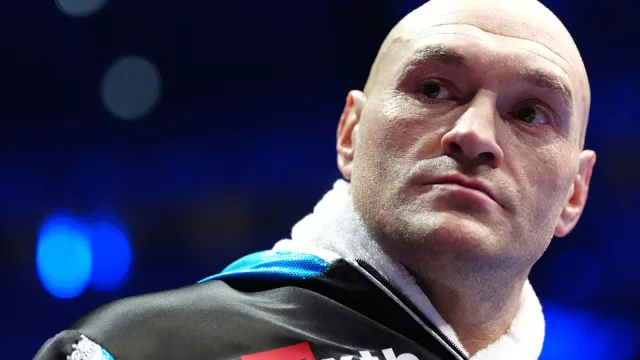
Fury cleared to fight Joshua after wife retracts schizophrenia claim
Tyson Fury has received medical clearance to face Anthony Joshua after his wife retracted documentary comments suggesting he had schizophrenia.
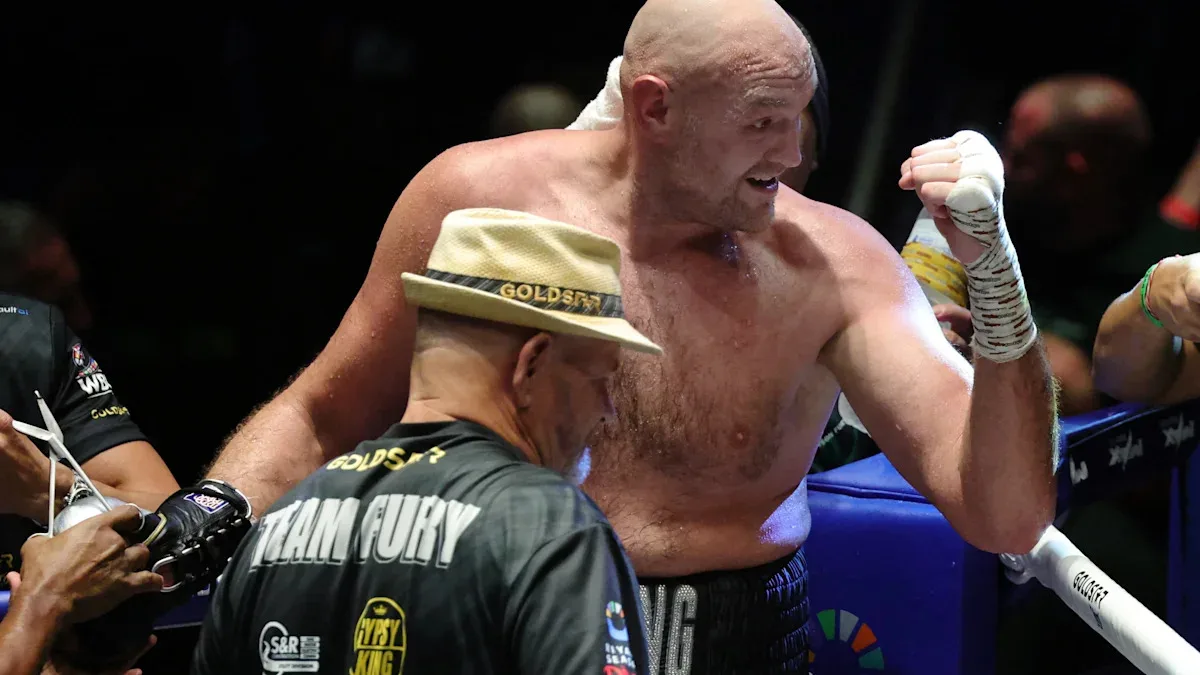
Fewer than 1% of people live with schizophrenia, according to the World Health Organization, and Tyson Fury is definitively not among them. That singular statistic anchors a dizzying sequence of events that threatened one of the biggest bouts in British boxing history before medical checks restored the card.
What Led to the Schizophrenia Scare?
The controversy erupted when Netflix released promotional material and an initial cut of a feature-length documentary titled Tyson Fury, detailing the 38-year-old former heavyweight champion's battles with addiction and mental health. In the original footage, Fury's wife, Paris Fury, recalled a conversation from years prior and stated of the boxer, He's a mild schizophrenic and even then the penny didn't drop. I was like, 'Don't be silly, what's he on about schizophrenic? Maniacs are schizophrenic, you're not schizophrenic'.
Those remarks immediately triggered alarm bells across the sport because of the stringent regulations governing professional fighting. Under regulation 8.1(b) of the British Boxing Board of Control's 2026 rules and regulations, schizophrenia is explicitly listed among the medical conditions that may preclude
a boxer from obtaining a first licence, while for existing licence holders the board may take such action as in its absolute discretion as it sees fit.
The regulatory body launched an immediate inquiry into Fury's medical fitness, throwing his scheduled December title fight into sudden jeopardy.
The roots of Fury's well-documented struggles trace back nearly a decade. Following his victory over Wladimir Klitschko in November 2015, Fury stepped away from boxing, battling severe depression, substance abuse, and weight gain. In June 2016, he was rushed to the hospital with what he suspected was a heart attack, though doctors later diagnosed an anxiety attack. During that dark period, Fury recalled hearing voices and suffering from crippling anxiety before seeking professional help in London. As he recounted in the documentary, She asked me a gazillion questions, and I ticked all the boxes. Depression, anxiety, bipolar disorder.
Why Did Paris Fury Backtrack So Quickly?
Faced with the prospect of her husband losing his licence just weeks before a massive event, Paris Fury issued a swift clarification to correct the record regarding her husband's official medical files.
In a statement reported by the New York Times and shared with CNN, Paris Fury explained the origin of her misstatement: I want to clarify a statement I made in the original version of the Tyson Fury documentary. I recalled a conversation from many years ago when discussing Tyson's condition and I used the word 'schizophrenic'. Whilst Tyson did show some symptoms associated with schizophrenia, he doesn't have this condition and has never received a diagnosis.
She added further context about the realities of living with chronic mental health struggles, stating, Mental health is complex, and it isn't always easy to find the right words, especially when you're living it with someone you love. I'm so proud of Tyson for really opening up in this documentary and want to say thank you for all the support we've received as a family.
This rapid retraction allowed the streaming platform to act before the film's broader rollout. Netflix confirmed that it had worked alongside the family to alter the documentary ahead of its release on Friday, November 27, editing out the specific dialogue where the unverified diagnosis was mentioned.
How Did the Boxing Board Respond to the Crisis?
- On Thursday, November 27, BBC Sport reported that the British Boxing Board of Control was actively looking into Fury's comments regarding schizophrenia.
- BBBoC general secretary Robert Smith told BBC Sport that the governing body was
in the process of dealing with the matter
and emphasized,if there are any medical issues we wouldn’t let anyone box — it doesn’t matter if it’s Tyson Fury or not, it could be anybody.
- On Friday, November 27, following the family's formal clarification and updated medical documentation, Smith told Sky Sports that Fury had passed his medical examinations.
- Later on Friday, BBC Sport confirmed the definitive ruling from the governing body:
Tyson Fury has been cleared to box on 11 December.
That swift bureaucratic clearance neutralized the threat of cancellation, allowing promotion for the winter showdown to resume without legal or medical impediments from the board.
What Is at Stake in Cardiff Next Month?
With the medical clearance secured, Fury is set to face Anthony Joshua, 37, in a long overdue all-British heavyweight contest. The bout is scheduled for December 11 at Principality Stadium in Cardiff, Wales, with the ring walk and opening bell spanning into the early hours of December 12 in the UK.
The stakes for the two-time world champion extend far beyond national bragging rights. The vacant WBA heavyweight title is expected to be on the line, presenting the 38-year-old Briton with an opportunity to claim the world heavyweight championship for the third time in his career. The high-profile matchup was officially announced in September, bringing together two fighters who have never met in a professional bout, making it one of the most significant events in British boxing history.
For Fury, the fight represents the continuation of a remarkable athletic resurrection that began on Halloween night in 2017. Having fallen into deep addiction and weighing far above his fighting weight, he pulled himself back from the brink through a renewed focus on family and training. As he reflected in the documentary regarding his lowest point, I had the world in my hands and I threw it all away, and now I'm a fat mess addicted to alcohol.
Putting down the alcohol and returning to the gym paved the way for his comeback.
Can the Fight Overcome the Shadow of Mental Health Scrutiny?
The episode exposes the delicate intersection where combat sports regulation meets public mental health disclosures. Governing bodies like the BBBoC must balance athlete safety with the destigmatization of psychological care, a line made trickier when participants bare their deepest vulnerabilities on global streaming platforms.
The situation highlights how quickly modern sports media cycles can transform a personal documentary anecdote into a regulatory crisis. By reacting within hours to correct the record and providing updated medical evaluations, the Fury camp successfully insulated the December 11 pay-per-view from administrative derailment. That leaves both fighters with a clear runway toward the Principality Stadium canvas.
Netflix stated that it had worked alongside the family to update the documentary accordingly ahead of launch.