Mets trade starting pitcher Freddy Peralta to the Rays for three prospects
The New York Mets have traded starting pitcher Freddy Peralta to the Tampa Bay Rays in exchange for three minor league prospects.
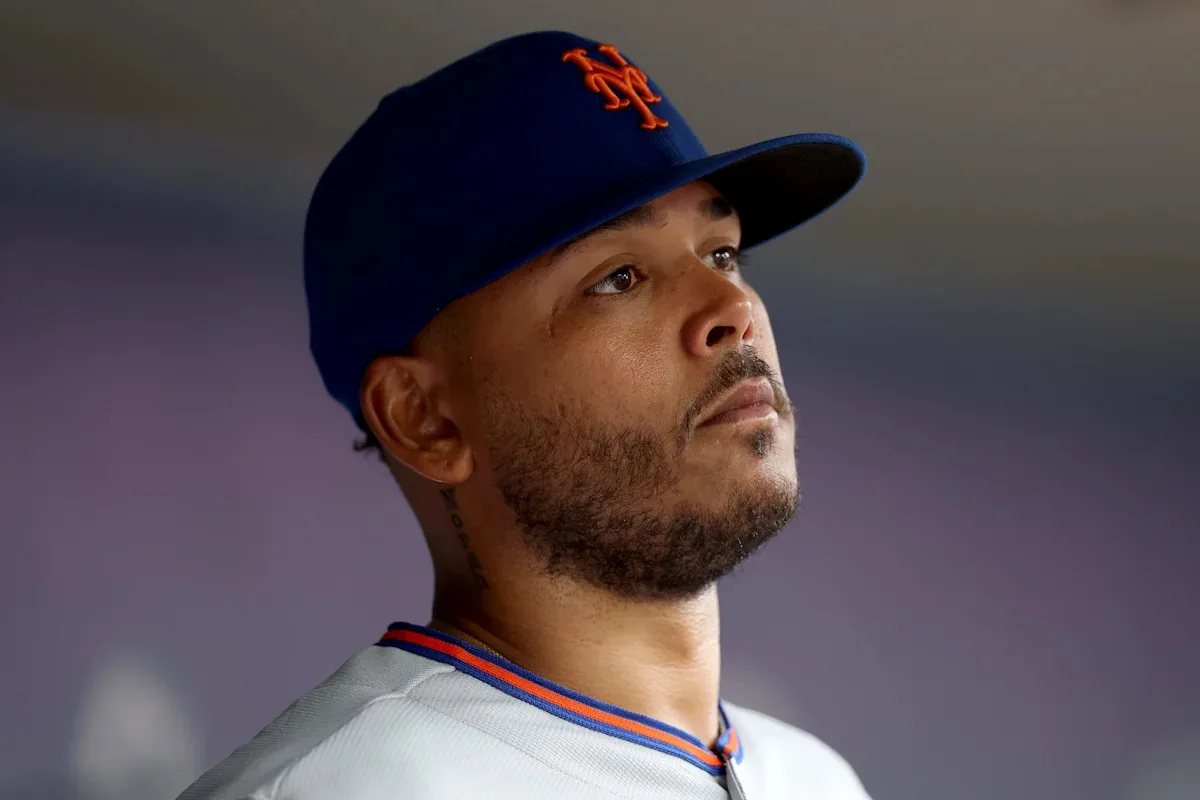
The New York Mets have traded right-handed starting pitcher Freddy Peralta to the Tampa Bay Rays in a deal finalized just hours before the 2026 MLB trade deadline, according to multiple reports. The transaction, first confirmed by The Athletic’s Will Sammon, sees the Rays acquire Peralta in exchange for three minor league prospects: infielder Émilien Pitre, outfielder Aidan Smith, and right-handed pitcher Gary Gill Hill. The trade marks a pivotal shift for both franchises as the Mets continue to navigate a challenging season, while the Rays seek to strengthen their rotation ahead of a potential playoff push.
The trade was finalized on Sunday, the same day the Rays hosted the Chicago White Sox, with the acquisition of Peralta confirmed during the game. The Rays’ starting pitcher in the contest, Ian Seymour, was set to face the Rockies on Monday, but the addition of Peralta, who carries a 4.99 ERA across 22 starts — the second-worst among all qualified pitchers in MLB this season — signals a strategic move to bolster their rotation. The White Sox defeated the Rays 9-1, with Peralta’s arrival likely influencing the team’s in-game decisions.
Peralta, 30, had been a key acquisition for the Mets during the offseason, traded from the Milwaukee Brewers in January 2026 for top prospects Jett Williams and Brandon Sproat. However, his performance with New York has been inconsistent, culminating in a 4.99 ERA over 113 2/3 innings in 22 starts during the 2026 season. Despite his struggles, the Mets’ decision to trade him reflects a broader strategy of prioritizing long-term value over short-term gains, as Peralta is set to become a free agent at season’s end. The Rays, meanwhile, view the move as an opportunity to bolster their rotation, which currently ranks fifth in MLB with a 3.51 ERA.
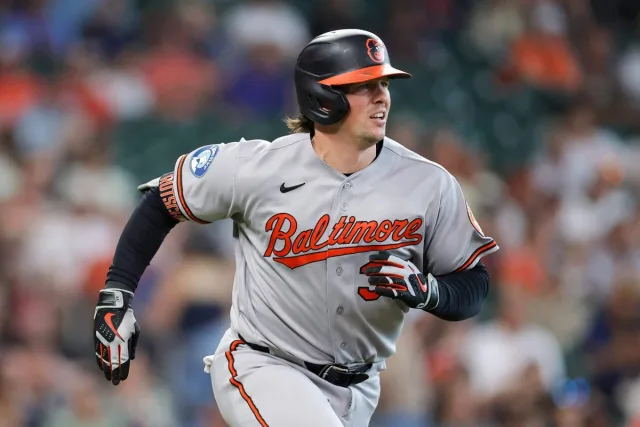
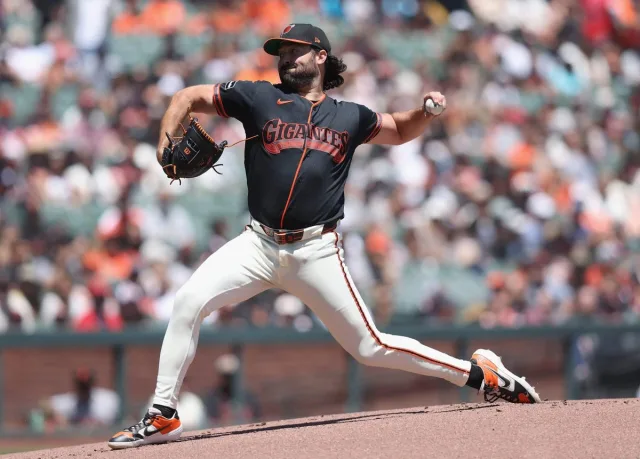
The Mets’ return includes three players who, while not considered elite prospects, offer varying degrees of potential. Émilien Pitre, the highest-ranked of the trio at No. 27 in the Rays’ system, is a 23-year-old second baseman who has posted a .308/.438/.447 batting line across High-A and Double-A this season. His strong walk-to-strikeout ratio and defensive versatility have drawn attention, though his lack of power remains a concern. Outfielder Aidan Smith, a 22-year-old with 56 doubles and 36 home runs in 300 minor league games, was part of the Rays’ 2024 trade for Randy Arozarena but has struggled with consistency, striking out in over 30% of his plate appearances. Gary Gill Hill, a 21-year-old right-hander drafted in 2022, brings projectable tools but lacks a standout pitch, with his fastball averaging 96 mph and a slider that has yet to translate effectively against major league hitters.
The Rays’ decision to acquire Peralta underscores their willingness to take calculated risks on players with proven track records. Despite his 2026 struggles, Peralta’s career resume remains impressive: a 3.74 ERA, 1.17 WHIP, and 1,266 strikeouts over 1,044 2/3 innings since 2021. Analysts suggest the Rays believe they can help Peralta rediscover his form, citing their history of developing pitchers like Griffin Jax. “We’ve seen them help improve pitchers they brought in from other teams before, including Griffin Jax just this season,” one source noted. “The Rays aren’t just borrowing Peralta for two months, they’re betting on his ability to adapt and contribute meaningfully to their playoff aspirations.”
For the Mets, the trade represents a pragmatic approach to a season that has fallen short of expectations. With a struggling rotation and a bullpen that has failed to support Peralta’s starts, the team has opted to trade a high-usage starter for a package of young talent. The move also aligns with their broader strategy of replenishing their farm system, as president of baseball operations David Stearns has emphasized the importance of building through the draft and trades. “The Mets are getting a fair return for a pitcher who’s no longer performing at an elite level,” said one analyst. “They’re not chasing wins in 2026, they’re positioning themselves for the future.”
The trade comes amid heightened activity around the deadline, with teams across the league making last-minute moves to address roster needs. The Rays, currently leading the AL East with a 65-45 record, have positioned themselves as serious contenders, while the Mets face the challenge of reevaluating their approach as they enter the final stretch of the season. As Peralta prepares to join a Rays rotation that includes Shane McClanahan and Drew Rasmussen, the focus will shift to whether he can reclaim the form that made him a Cy Young contender in 2025. For the Mets, the emphasis remains on the development of their prospects, with Pitre, Smith, and Gill Hill now central to their long-term plans.
Dateline Wire is dedicated to independent, evidence-backed reporting. This briefing was synthesized from primary source reporting, corroborated across independent newsrooms, and verified against our Editorial Standards.