FIFA World Cup final features inaugural halftime show and closing ceremony
The 2026 FIFA World Cup final at MetLife Stadium introduced a halftime show and an extended closing ceremony featuring various global music icons. This departure from tradition sparked debate among those weighing the balance between sports and entertainment.
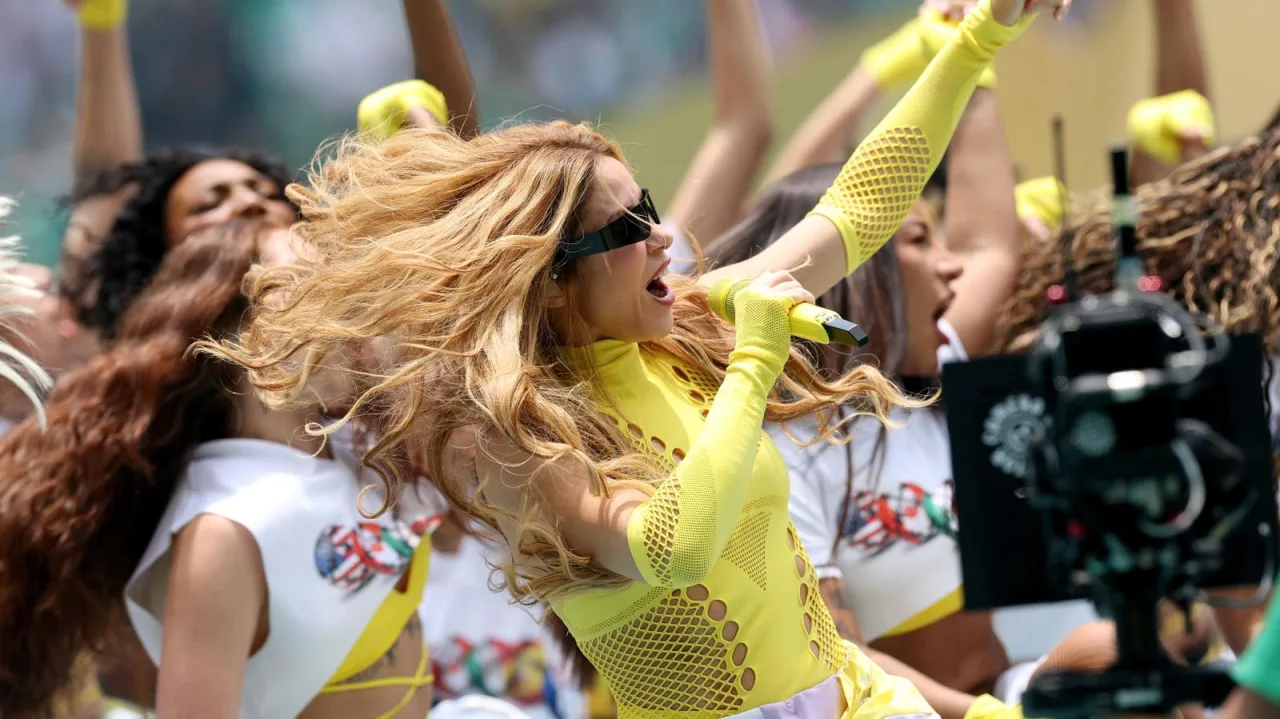
The 2026 FIFA World Cup final, held at MetLife Stadium in East Rutherford, New Jersey, marked a historic milestone with the debut of a halftime show and an extended closing ceremony, blending sports, music, and global cultural moments. The match between Spain and Argentina, which ended in a 0-0 draw, was preceded by a 90-minute closing ceremony and a 11-minute halftime performance featuring some of the world’s most prominent artists. The event, which aimed to merge football’s traditional ethos with entertainment, sparked both celebration and debate.
FIFA Introduces Historic Halftime Show in 2026 World Cup Final
The halftime show, a first in FIFA World Cup history, featured a lineup of global music icons including Justin Bieber, Madonna, Shakira, BTS, Burna Boy, and Coldplay. The performance, which began around 3:45 p.m. ET, was designed to highlight the tournament’s “journey” and “ignite the atmosphere” ahead of the final match. FIFA President Gianni Infantino emphasized the event’s dual purpose: celebrating the competition and supporting the FIFA Global Citizen Education Fund, which aims to raise $100 million for global education and football opportunities. The show’s duration — 11 minutes — was shorter than the typical 15-minute halftime break in football matches, though the overall intermission, including pre-show activities, stretched to approximately 20 minutes.
The halftime show’s inclusion faced criticism from some football purists. Brad Friedel, a former U.S. national team goalkeeper, argued that extending halftime to 30 minutes disrupted the sport’s “ethos,” comparing it to “changing the rules of the game” for commercial gain. He cited the UK’s decision to exclude the performance from broadcasts as a “good way to deal with this half-time show,” though he acknowledged the broader debate over balancing entertainment and tradition in football.
Closing Ceremony Features Star-Studded Lineup and Political Attendance
The closing ceremony, which began at 1:30 p.m. ET, featured a 90-minute celebration headlined by Post Malone, Jennifer Hudson, Robbie Williams, Nicole Scherzinger, and Laura Pausini. Hudson performed a rendition of the U.S. National Anthem, while Maria Becerra sang Argentina’s national anthem. The event also included a surprise appearance by actor Tom Cruise, who delivered a speech emphasizing unity and the “language” of football. “Football is a force that unites people, that turns strangers into friends,” Cruise said, reflecting on the tournament’s global reach.
Political figures, including former U.S. President Donald Trump, his wife Melania Trump, and Vice President JD Vance, attended the final. The ceremony’s scale and star power underscored the event’s shift toward a hybrid model of sports and entertainment, a trend that has grown in prominence in major international tournaments.
Global Broadcasts and Viewer Access
The final and its accompanying performances were broadcast across multiple platforms, including ESPN, Fox Sports, Peacock, Telemundo, and FIFA+. The event’s accessibility reflected FIFA’s strategy to expand its audience through partnerships with major networks. Despite the controversy over the halftime show, the closing ceremony and performances drew significant attention, with media outlets like Forbes and USA Today highlighting the cultural significance of the event.
The 2026 World Cup’s format, featuring both a closing ceremony and a halftime show, has set a precedent for future tournaments. While some critics argue that such additions risk diluting football’s traditional focus, others view them as necessary adaptations to meet evolving audience expectations. As the final match concluded, the event’s blend of sport, music, and spectacle left a lasting impression, signaling a new era for the world’s most-watched sporting event.
Dateline Wire is dedicated to independent, evidence-backed reporting. This briefing was synthesized from primary source reporting, corroborated across independent newsrooms, and verified against our Editorial Standards.