UEFA loses confidence in FIFA chief Infantino after scrapped World Cup plan
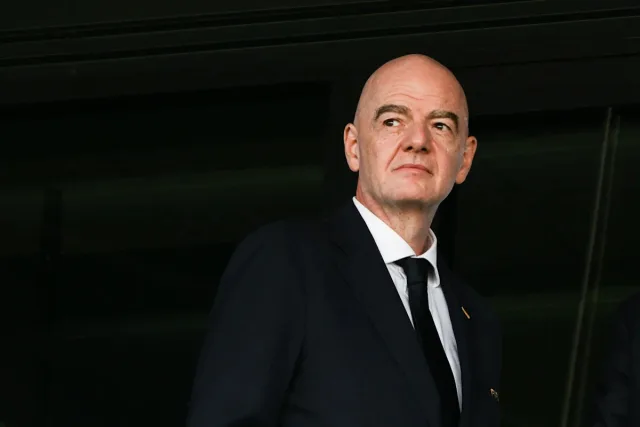
UEFA has declared a loss of confidence in FIFA President Gianni Infantino following the collapse of his controversial plan to sell World Cup stakes to private investors.
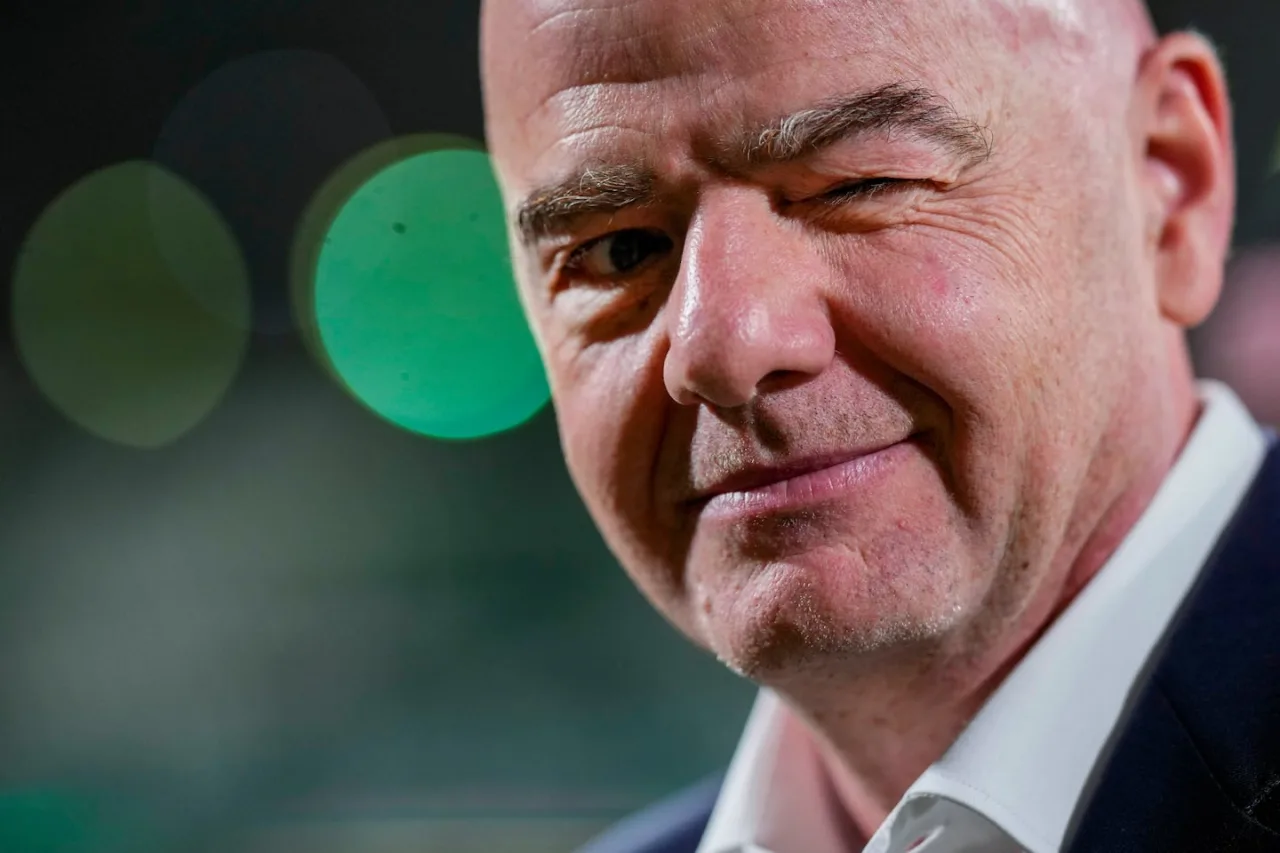
UEFA has formally declared a loss of confidence in FIFA President Gianni Infantino following the collapse of his controversial plan to sell stakes in the World Cup to private equity investors, marking a pivotal moment in the governance of global football. The decision to scrap the proposal came after sustained pressure from European, North American, and Asian football bodies, as well as internal dissent within FIFA itself.
Infantino’s plan, which aimed to create a $20 billion subsidiary—FIFA Forward Enterprise—to manage the commercial rights of the World Cup and other tournaments, faced immediate backlash. The proposal sought to raise up to $4.2 billion by offering a 20% stake to private investors, led by Thrive Eternal, a fund backed by Joshua Kushner, brother of U.S. President Donald Trump’s son-in-law. UEFA, CONCACAF, and the Asian Football Confederation (AFC) all rejected the scheme, with UEFA’s 55 member associations unanimously voting to boycott all FIFA competitions until the plan was abandoned.
The fallout escalated rapidly. On Friday, Infantino’s senior adviser, Carlos Cordeiro, resigned, calling the plan “a bad deal for football,” while FIFA’s chief operating officer, Kevin Lamour, stated that staff had been “deceived” by the lack of transparency. The pressure culminated in Infantino’s U-turn on Saturday, with him announcing the proposal would not proceed, citing the need to avoid “divisions” that threatened the “objective” of uniting and improving football.
UEFA’s response was scathing. In a statement, the European football governing body accused Infantino of failing to uphold his 2016 promises of transparency and accountability. “The current FIFA leadership has not only lost UEFA’s confidence but also that of many other members of the football family,” the statement read. It criticized the “secret schemes on fast-track timescales, cooked up by faceless individuals” and called for a “thorough and fundamental review” of FIFA’s governance. UEFA also highlighted the $5 billion in reserves it claimed had been left idle, arguing that the plan to sell “the family silver” was unnecessary.
The crisis has intensified scrutiny of Infantino’s leadership. Sources indicate that UEFA is already considering candidates to challenge him in next year’s FIFA presidential election, though no formal opposition has emerged yet. Potential contenders include Nasser Al-Khelaifi, president of Paris Saint-Germain and the European Football Clubs Association, and Victor Montagliani, head of CONCACAF. Meanwhile, UEFA vice president Laura McAllister acknowledged that trust in Infantino had been “badly shaken,” though she stopped short of demanding his resignation.
The controversy has also exposed fractures within FIFA. Internal dissent was evident as Cordeiro’s resignation and Lamour’s public criticism underscored a lack of unity. Infantino, who was expected to be re-elected unopposed for a third term, now faces a precarious position. His defenders argue that the plan was intended to fund global football development, but critics, including British Prime Minister Andy Burnham, have labeled it “outrageous,” asserting that Infantino is “the wrong man to lead the organisation.”
UEFA’s statement emphasized that the rejection of the plan was a “victory for the whole game,” but warned that rebuilding trust in FIFA would require “thorough” reforms. The governing body pledged to work with other confederations to overhaul the FIFA Forward programme, which distributes funds to member associations. This follows accusations that the current system, which provides uniform payments to all 211 nations, is a form of “patronage” designed to secure political support for Infantino.
The episode has reignited debates about the commercialization of football and the balance between financial sustainability and ethical governance. As FIFA grapples with the fallout, the coming weeks will determine whether Infantino can salvage his leadership or if the loss of UEFA’s confidence signals a broader shift in the power dynamics of global football.
Dateline Wire is dedicated to independent, evidence-backed reporting. This briefing was synthesized from primary source reporting, corroborated across independent newsrooms, and verified against our Editorial Standards.