FIFA scraps World Cup investment plan after widespread backlash
FIFA President Gianni Infantino has abandoned a plan to sell a 20% stake in a commercial subsidiary following a boycott threat from UEFA and widespread backlash.
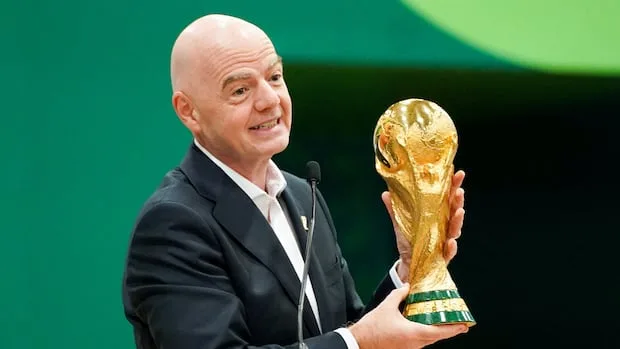
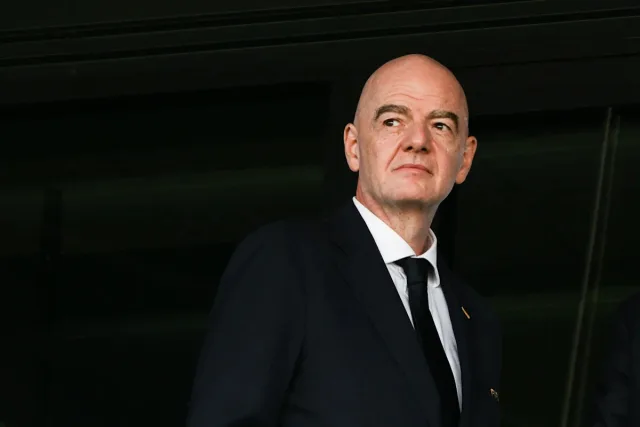
FIFA has officially abandoned its controversial plan to sell a 20% stake in a $20 billion commercial subsidiary, FIFA Forward Enterprise (FFE), to private investors after intense global backlash, internal dissent, and a historic threat of a European-led boycott. The decision, announced by FIFA President Gianni Infantino in a statement on Saturday, is a notable reversal for the Swiss official’s strategy to raise up to $4.2 billion for global football development.
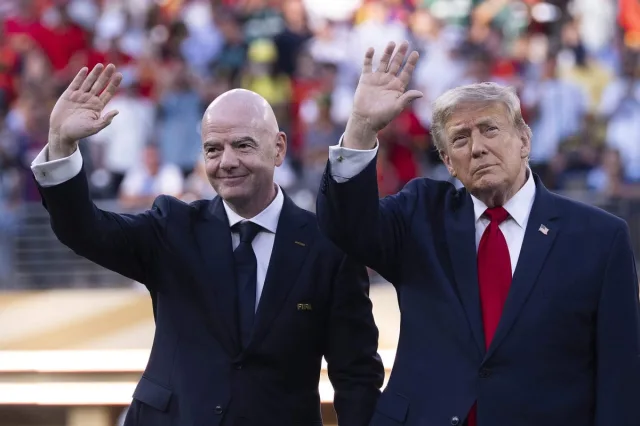
The proposal, first unveiled on Tuesday, aimed to create FFE to manage major tournaments like the World Cup, with external investors—including a U.S.-based fund led by Joshua Kushner, brother of Donald Trump’s son-in-law—offering minority stakes. FIFA had planned to distribute $40 million to each of its 211 member associations if the deal was approved by September 19. However, the plan faced immediate resistance from European football bodies, internal FIFA staff, and critics who accused the organization of commodifying the sport’s “soul.”
UEFA, the governing body for European football, led the opposition, with its 55 member nations unanimously voting to boycott all FIFA tournaments, including the World Cup, unless the proposal was scrapped. The Confederation of North, Central, and Caribbean Association Football (CONCACAF) and the Asian Football Confederation (AFC) also rejected the plan, though they stopped short of a full boycott. The Oceania Football Confederation (OFC) announced it would address the issue in August, while the Confederation of African Football (CAF) and CONMEBOL requested further details.
Infantino acknowledged the divisions in his statement, saying, “Having listened carefully to all the views, it has become clear that the project has created divisions of a nature that, regardless of the level of support, are no longer in the interest of the objective set out in the first place.” He emphasized FIFA’s commitment to “unite and improve” the sport, pledging to “bring all interested parties back together” to focus on “growing football everywhere.”
The backlash extended beyond football officials. Infantino’s senior adviser, Carlos Cordeiro, resigned on Friday, calling the proposal “a bad deal for football” and warning it would “mortgage football’s future without any compelling justification.” FIFA’s chief operating officer, Kevin Lamour, accused the initiative of being “a project of one person,” stating staff had been “deceived” by the plan. Lamour added, “If that means I lose my job, then so be it. I will understand and respect that decision. At least I’ll sleep well tonight.”
Critics also highlighted the lack of transparency in the decision-making process. The proposal faced scrutiny for its potential to allow private investors to influence tournament operations, with fears that profit motives could overshadow the sport’s cultural values. British Prime Minister Andy Burnham condemned Infantino, stating he was “the wrong man to lead the organisation.”
The collapse of the plan leaves FIFA’s commercial operations unchanged but has intensified scrutiny of Infantino’s leadership as he campaigns for re-election in March 2027. Internal factions within FIFA remain fractured, with UEFA, CONCACAF, and the AFC vowing to demand greater governance and consultation in future decisions. The broader football community continues to debate the balance between financial sustainability and the sport’s cultural identity.
With the plan abandoned, attention now turns to upcoming tournaments, including the Under 20 Women’s World Cup in Poland (September 5) and the 2027 Women’s World Cup in Brazil. The fallout has underscored deepening tensions between FIFA’s commercial ambitions and the values of its member associations, leaving the organization to navigate a complex path forward.
Dateline Wire is dedicated to independent, evidence-backed reporting. This briefing was synthesized from primary source reporting, corroborated across independent newsrooms, and verified against our Editorial Standards.