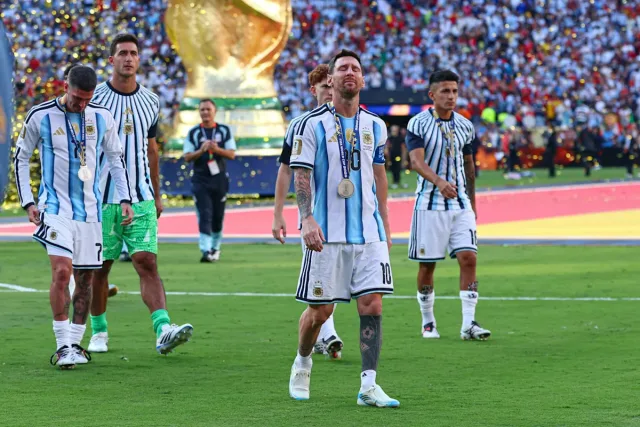
European nations and CONCACAF boycott FIFA over private equity plan
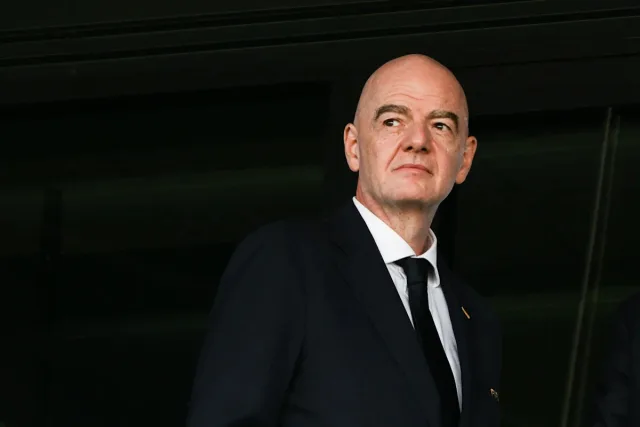
European nations and CONCACAF sparked a crisis in global soccer governance by rejecting FIFA President Gianni Infantino's plan to sell tournament stakes to private equity investors.
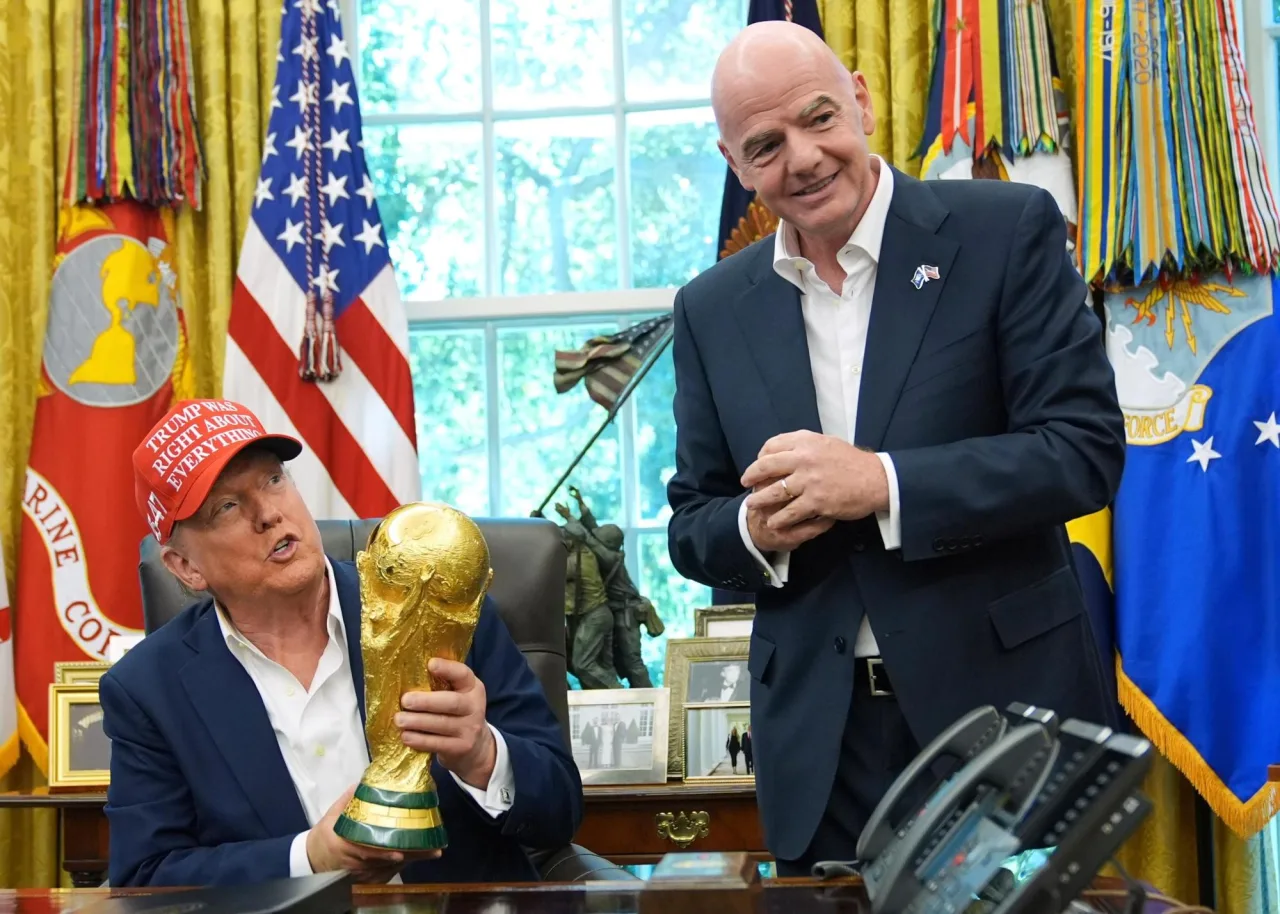
European nations and the Confederation of North, Central American and Caribbean Association Football (CONCACAF) have solidified their opposition to FIFA President Gianni Infantino’s plan to sell stakes in the World Cup to private equity investors, with the U.S. and North America joining the boycott on Thursday. The move, which followed an emergency meeting by UEFA and a subsequent decision by CONCACAF, marks a pivotal escalation in the crisis over FIFA’s governance and financial strategy.
UEFA, representing 55 European nations, confirmed its decision to boycott all FIFA competitions, including the Women’s Under-20 World Cup in Poland starting Sept. 5. The bloc’s 41-member CONCACAF counterpart, which includes the U.S., Canada, and Mexico — hosts of the 2026 men’s World Cup — also rejected the proposal later Thursday. The U.S. Soccer Federation reiterated its support for the rejection, stating, “U.S. Soccer stands with Concacaf and its members.”
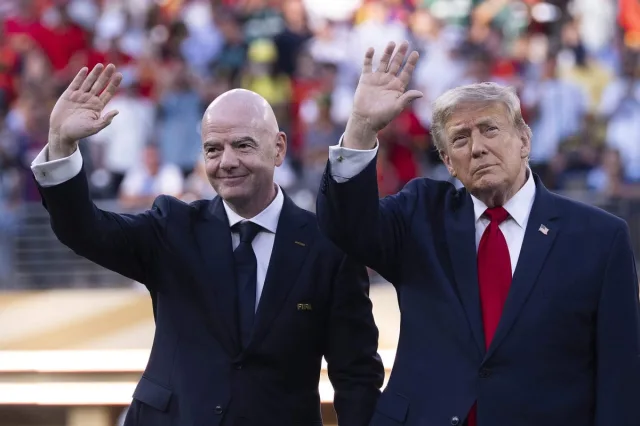
The dispute centers on Infantino’s plan to establish a $20 billion subsidiary, FIFA Forward Enterprise (FFE), with 20% ownership by private investors. A New York-based firm linked to Joshua Kushner, brother of U.S. President Donald Trump’s son-in-law, is reportedly the core investor. FIFA offered each of its 211 member nations $20 million by mid-September if they approved the spin-off, doubling their current funding for the next four years. However, UEFA and CONCACAF accused Infantino of bypassing standard governance procedures, imposing an “artificially short deadline,” and failing to secure broader approval from FIFA’s six continental bodies.
“The FIFA World Cup belongs to football. It always will,” UEFA stated, vowing that European nations would not participate in any FIFA competitions while the proposal remained active. The bloc’s decision carries significant weight, as it includes powerhouses like England, Spain, and France, nations whose absence would undermine the commercial viability of the World Cup. The threat of a boycott echoes a similar standoff in 2021, when European opposition derailed Infantino’s attempt to hold World Cups every two years instead of every four.
Infantino framed the FFE initiative as a way to “turbocharge” funding for global soccer development, particularly for nations reliant on FIFA’s financial support. Critics, however, argue the plan prioritizes profit over the sport’s traditions. UEFA officials expressed frustration that FIFA is not using its multi-billion-dollar reserves to fund development programs, instead opting for a private equity model that would subject competitions to “commercial return” pressures. The European body also warned that external ownership could lead to changes in tournament structures, such as increasing the number of teams or staging events more frequently, which could clash with the schedules of continental competitions like the UEFA Champions League and AFC tournaments.
The Asian Football Confederation (AFC) also voiced concerns, with its president, Sheikh Salman bin Ibrahim Al Khalifa, warning that the proposal risks destabilizing the “sustainability of confederation and domestic competitions.” Salman, a long-time ally of Infantino, called for broader consensus before proceeding, noting that the current lack of support from three of FIFA’s six confederations “will not succeed.” Meanwhile, the Football Supporters Europe group, which advises UEFA on fan interests, declared “Game over, Gianni #InfantinOUT,” reflecting growing public frustration with Infantino’s leadership.
The immediate fallout includes the suspension of UEFA’s participation in FIFA competitions, including the Women’s Under-20 World Cup in Poland starting in September. The four British football federations, which are the sole bidders for the 2035 Women’s World Cup, now face a delicate balancing act: opposing Infantino’s plan while maintaining their bid. The Football Association’s decision to align with UEFA has been praised as a rare moment of principled resistance, with critics arguing that the World Cup’s value lies in its global appeal, not its commercial flexibility.
Infantino’s high-stakes financial gambit now could threaten his previously secure 11-year presidency of FIFA as anger and frustration with him rises among soccer stakeholders, including three of the six continental bodies. FIFA has set a Nov. 18 deadline for potential candidates to declare in a presidential vote of the 211 members scheduled next March in Rabat, Morocco. Infantino had seemed, 11 days ago after the World Cup final in East Rutherford, New Jersey, to have a clear path to being re-elected unopposed for a fourth and final term in office through 2031, despite a furor over letting United States forward Folarin Balogun play against Belgium despite a red card in his previous game.
Soccer officials have said privately that Infantino has eyed a lucrative commissioner-like role at the FFE spinoff beyond 2031. A FIFA presentation for its members, co-written with its banking advisors from J.P. Morgan, set a goal for FFE as “commercial rigor and expertise to better capitalize on broadcast rights, sponsorships and a growing tournament portfolio.” That growing portfolio likely would include adding more teams to FIFA competitions like the World Cup and Club World Cup for men and women, and potentially staging them more often than every four years, including in the U.S.
“It is important that the AFC family has a complete understanding,” Sheikh Salman wrote, “of how such an initiative may affect key areas of global and Asian football, including the sustainability of confederation and (domestic) competitions, as well as the organization and commercial landscape surrounding the AFC’s activities.”
Dateline Wire is dedicated to independent, evidence-backed reporting. This briefing was synthesized from primary source reporting, corroborated across independent newsrooms, and verified against our Editorial Standards.