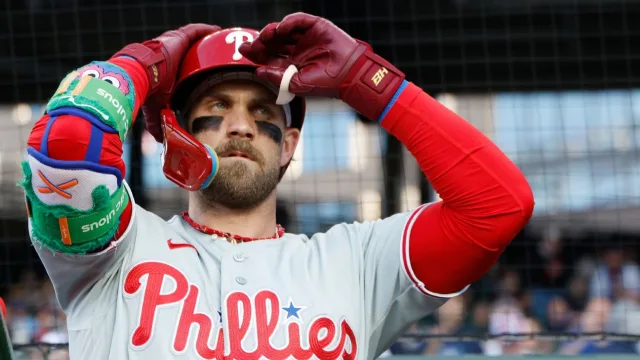
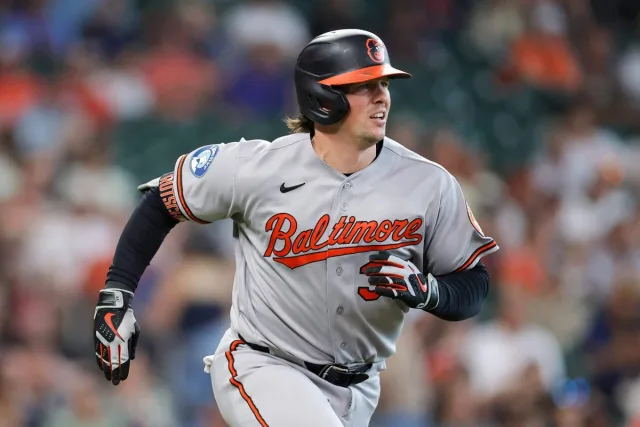
Phillies acquire All-Star 2B Arraez from Giants
The Philadelphia Phillies acquired batting champion Luis Arraez and reliever Caleb Kilian from the Giants in exchange for two pitching prospects.
- Headline: Phillies acquire All-Star 2B Arraez from Giants
- Dispatch Summary: The Philadelphia Phillies acquired batting champion Luis Arraez and reliever Caleb Kilian from the Giants in exchange for two pitching prospects.
- Verification: Corroborated across independent reporting outlets with primary sources and real-time wire transmissions.
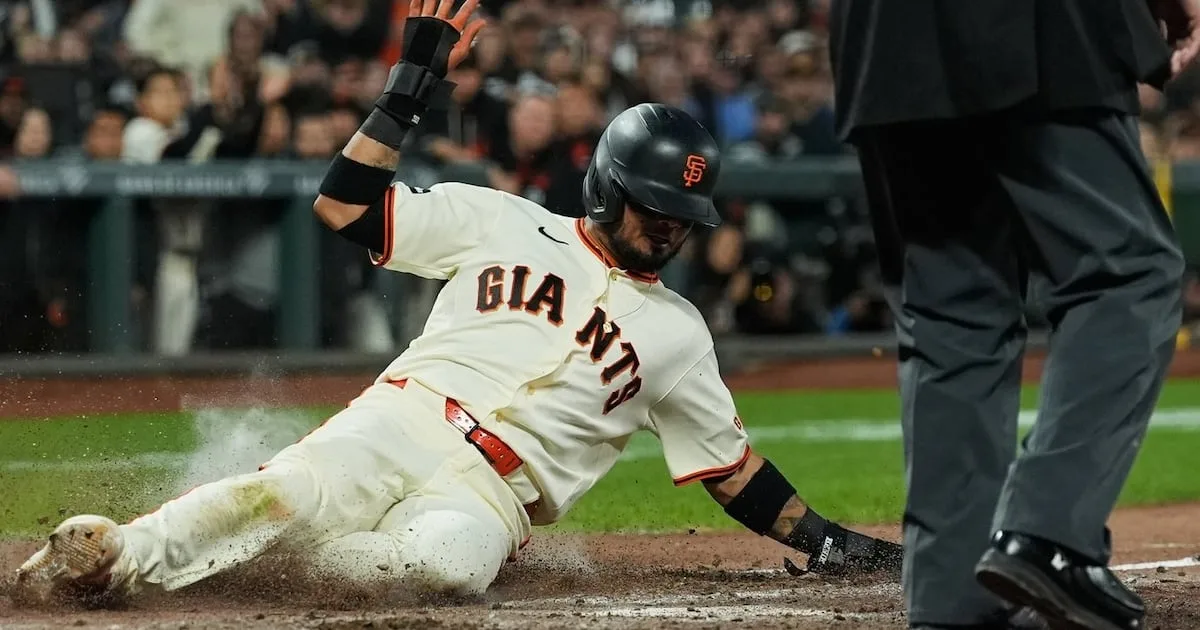
The Philadelphia Phillies have made a significant move ahead of the 2026 MLB Trade Deadline, acquiring second baseman Luis Arraez and right-handed pitcher Caleb Kilian from the San Francisco Giants in exchange for minor-league pitchers Ramon Marquez and Marty Gair. The trade, finalized on Monday, addresses immediate needs for the Phillies while reshaping the Giants’ roster as they look to rebuild.
Arraez, 29, is a four-time All-Star and three-time batting champion who has been a consistent offensive force throughout his eight-season MLB career. This season, he batted .324 with four home runs and 43 RBI in 105 games for the Giants, showcasing his ability to elevate a team’s lineup. The left-handed hitter is under a one-year, $12 million contract and will become a free agent at the end of the 2026 season. His arrival in Philadelphia comes as the Phillies struggle with a second-worst on-base percentage and a lineup plagued by strikeouts, according to reports.
The trade also brings in Kilian, a 26-year-old right-handed reliever who has appeared in 45 games this season with a 4.26 ERA and 0.2 bWAR. Despite his high walk rate, Kilian has 53 strikeouts in 44.1 innings and eight saves, making him a viable addition to the Phillies’ bullpen. His experience in late-game situations could help bridge the gap to closer Seranthony Domínguez, who has been a key figure for Philadelphia this season.
For the Giants, the deal secures two top-tier pitching prospects in Marquez and Gair. Marquez, a 22-year-old right-hander, had emerged as one of the Phillies’ most promising young arms this season, with a 1.80 ERA in 30 innings at Triple-A. His ability to throw a sharp changeup and generate groundballs made him a valuable asset. Gair, 24, is a high-velocity reliever who throws fastballs up to 102 mph and has a 50% whiff rate this season. His development as a potential closer or high-leverage reliever was a major draw for the Giants, who are prioritizing long-term gains over short-term wins.
The Phillies’ decision to trade Marquez and Gair reflects their urgency to bolster their offense. Sources indicate that president of baseball operations Dave Dombrowski prioritized addressing the team’s on-base woes, with Arraez’s .324 batting average and elite contact skills seen as a direct solution. His presence could also force positional adjustments, as the Phillies’ current second baseman, Bryson Stott, may shift to third base, pushing other players into reserve roles. Interim manager Rob Thomson will face challenges in integrating Arraez into the lineup, particularly with the team’s reliance on left-handed hitters.
Arraez’s defensive improvements this season, including +11 Outs Above Average, add another layer to his value. The Phillies, who rank third in the National League in strikeouts, are hoping his ability to work counts and draw walks will provide a spark. His arrival coincides with a critical stretch of the season, as Philadelphia aims to climb the NL East standings. The team’s offensive struggles have been exacerbated by the absence of key players, and Arraez’s experience as a clutch performer could prove pivotal.
The Giants, meanwhile, are accelerating their transition to a younger roster. By trading Arraez, they avoid the risk of losing him for nothing in free agency while acquiring prospects with high upside. The return of Marquez and Gair aligns with their strategy of building through the draft and minor leagues, a contrast to the Phillies’ more aggressive approach this season. The trade also allows San Francisco to focus on its rotation, as evidenced by their simultaneous pursuit of Robbie Ray, a left-handed starter rumored to be heading to the Padres.
As the trade deadline approaches, the Phillies’ move underscores the high stakes of midseason acquisitions. By sacrificing their top pitching prospects, they are betting on Arraez’s immediate impact to revitalize a struggling offense. For the Giants, the deal represents a calculated risk to prioritize future flexibility over present performance. Both teams’ decisions highlight the delicate balance between competing now and building for the future, a tension that defines the MLB trade market each year.
How significant is this wire dispatch?
Cast your anonymous vote to register reader consensus across journalism and intelligence sectors.
Dateline Wire is dedicated to independent, evidence-backed reporting. This briefing was synthesized from primary source reporting, corroborated across independent newsrooms, and verified against our Editorial Standards.