Commonwealth Games Closing Ceremony Glasgow 2026
The 2026 Commonwealth Games officially concluded in Glasgow with a vibrant closing ceremony featuring cultural fusion and a symbolic handover to Ahmedabad for 2030.
- Headline: Commonwealth Games Closing Ceremony Glasgow 2026
- Dispatch Summary: The 2026 Commonwealth Games officially concluded in Glasgow with a vibrant closing ceremony featuring cultural fusion and a symbolic handover to Ahmedabad for 2030.
- Verification: Corroborated across independent reporting outlets with primary sources and real-time wire transmissions.
The Commonwealth Games 2026 concluded in Glasgow with a vibrant closing ceremony that celebrated the achievements of athletes, the resilience of the event, and the transition to India’s 2030 hosting. The final day saw dramatic sporting moments, a record-breaking medal tally, and a symbolic handover to Ahmedabad, marking a pivotal chapter in the Games’ evolving legacy.
The closing ceremony at the OVO Hydro drew thousands, featuring a fusion of Scottish and Indian cultural elements. A fireworks display over the River Clyde illuminated the night, while performances by Scottish and Indian artists highlighted the shared spirit of the Commonwealth. The event also marked the official transfer of hosting duties to Ahmedabad, with Gujarat’s Deputy Chief Minister Harsh Sanghavi accepting the Commonwealth Sport flag. First Minister John Swinney praised Glasgow’s role in saving the Games, calling the event proof of Scotland’s ability to host “a spectacle that captures the spirit of two nations.”
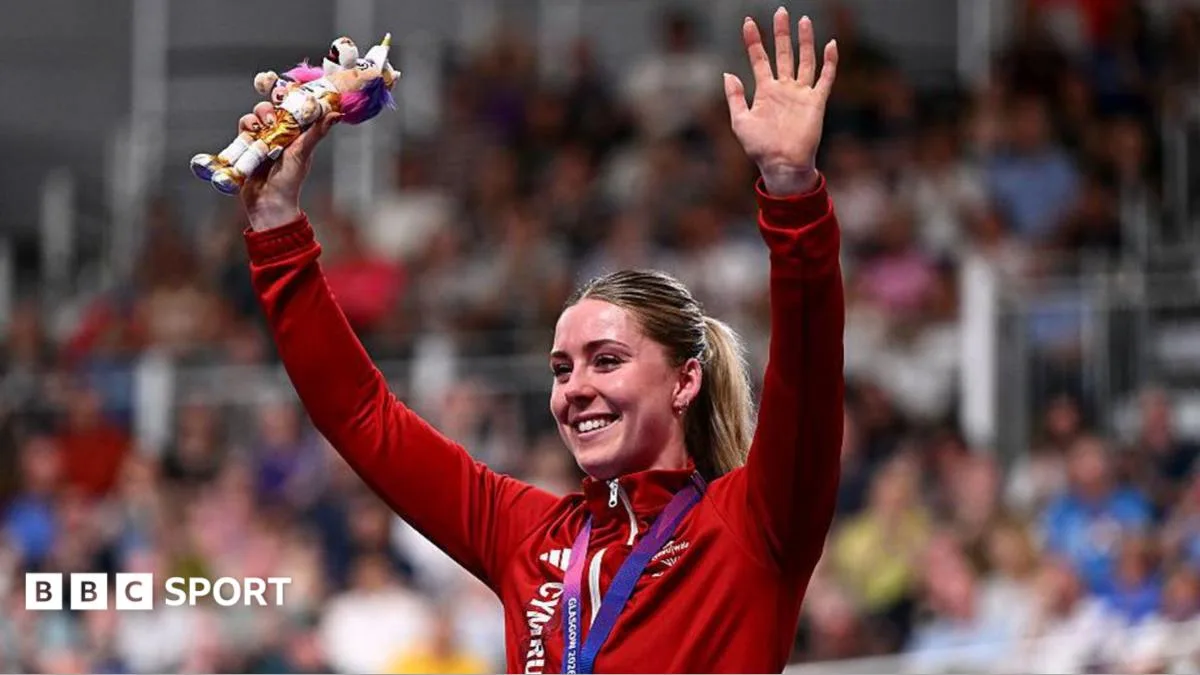
The 2026 Games, held over 11 days, featured 10 sports—a reduction from previous editions—but delivered unforgettable moments. Australia dominated the medal table with 70 golds, 171 total medals, and standout performances in swimming, athletics, and cycling. Swimmer Meg Harris of Australia claimed six individual golds, while cyclist Emma Finucane of Wales became the most successful Welsh woman in Commonwealth history, winning four track cycling golds. Scotland’s Josh Kerr, the men’s mile champion, and South Africa’s Chad le Clos, who secured his 21st Commonwealth medal, were among the athletes who left a lasting legacy.
The Games also showcased para-sports, with 141 medals awarded, including a historic win for 76-year-old Louise Hoskins, who became the oldest gold medallist in Commonwealth history. Para powerlifter Mark Swan of County Durham, selected as Team England’s flagbearer, described the event as “the best Games I’ve ever been to,” citing the “phenomenal” support from Glasgow’s communities.
Despite its success, the Games faced questions about their long-term relevance. The slimmed-down format, funded by Australia’s compensation to Glasgow, highlighted a shift toward sustainability. Commonwealth Sport CEO Katie Sadleir emphasized a new, flexible model that prioritizes inclusivity and reduced costs, allowing future hosts to tailor the event to their needs. “Every host writes its own chapter,” she said, noting that Glasgow’s approach could inspire a more diverse range of future locations.
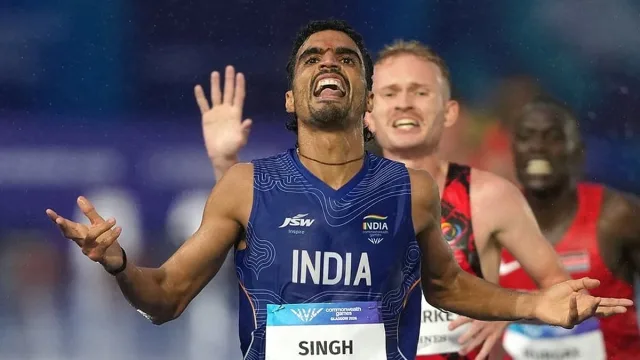
The handover to Ahmedabad in 2030 signals a strategic move to reinvigorate the Games. India’s bid, backed by a promise of 15–17 sports and a 50% increase in events, aims to leverage its growing sporting infrastructure. However, challenges remain, including concerns over corruption and anti-doping issues. India finished fourth in the medal table, trailing Australia, England, and Canada.
The closing ceremony also underscored the Games’ role as a platform for emerging talent. Jamaica’s netball team stunned Australia in a semi-final, while the Isle of Man secured its second gold in the 40km points race. Para-athlete Melanie Woods, who won two golds in the T54 1500m, was honored with the David Dixon Award, recognizing her resilience after a controversial race re-run.
As the Games concluded, reflections on their future echoed through the coverage. While the Commonwealth Games have navigated financial and logistical hurdles, their survival in Glasgow has provided a blueprint for sustainability. The 2030 edition in India will test whether the Games can balance tradition with innovation, ensuring their place in the global sporting calendar. For now, Glasgow’s closing ceremony served as a celebration of unity, athleticism, and the enduring spirit of the Commonwealth.
How significant is this wire dispatch?
Cast your anonymous vote to register reader consensus across journalism and intelligence sectors.
Dateline Wire is dedicated to independent, evidence-backed reporting. This briefing was synthesized from primary source reporting, corroborated across independent newsrooms, and verified against our Editorial Standards.