France blames Iran's Revolutionary Guards for supermarket fridge cyberat…
France has formally accused Iran's Islamic Revolutionary Guard Corps of orchestrating cyberattacks that disabled refrigeration systems across 700 supermarkets.
France blames Iran's Revolutionary Guards for supermarket fridge cyberattacks
France has formally accused Iran's Islamic Revolutionary Guard Corps of orchestrating a digital offensive that manipulated commercial refrigeration systems across hundreds of retail locations, marking what Foreign Minister Jean-Noël Barrot called the first large-scale cyberattack aimed at sabotage on French national territory. Speaking on Monday on the sidelines of a G7 foreign ministries' meeting in Paris, Barrot declared, I can confirm that this attack was carried out by the Islamic Revolutionary Guard Corps (IRGC) of the Islamic Republic of Iran.
Following the attribution, EU foreign policy chief Kaja Kallas stated that our response should be strong
.
How the October and November Hacks Unfolded
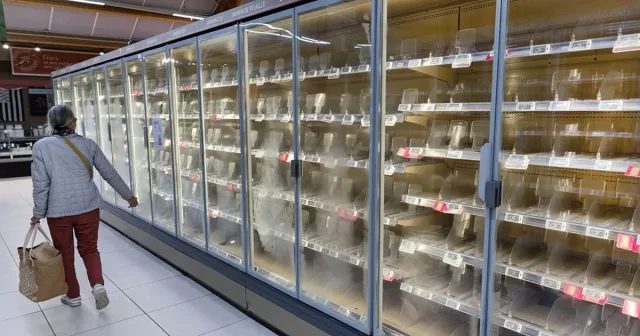
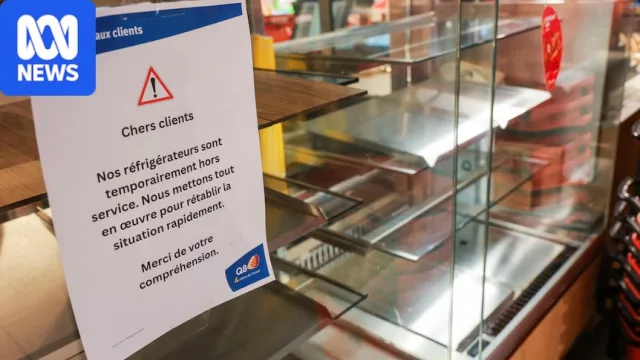
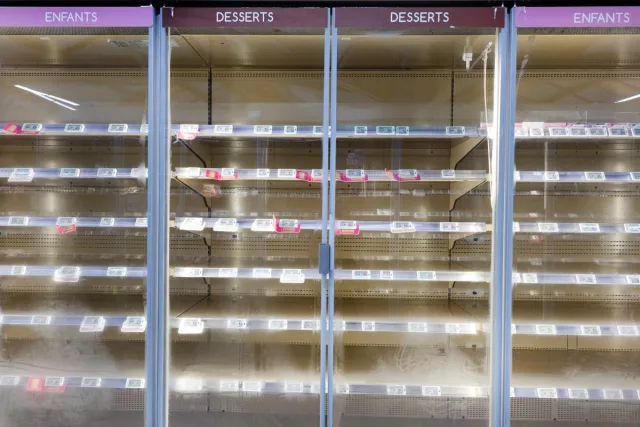
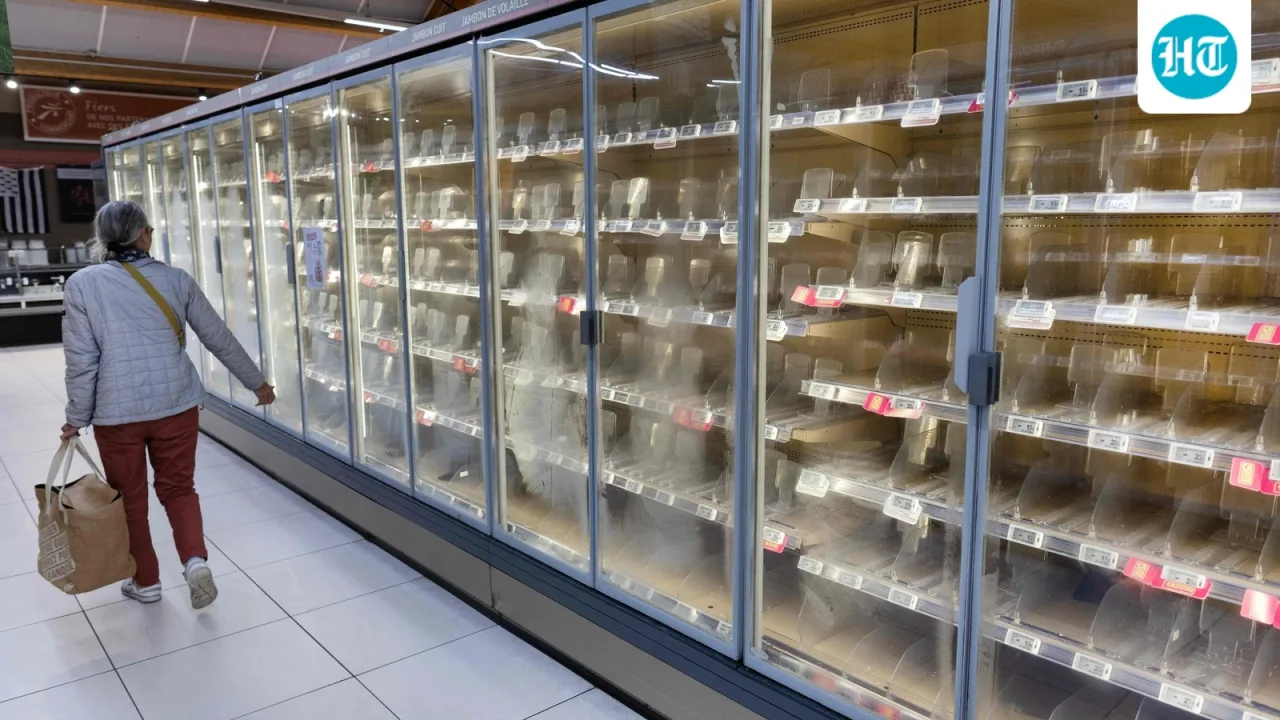
The coordinated intrusions struck on October 11 and 12, when hackers bypassed temperature controls in commercial refrigeration units and forced fridges and freezers to heat up to 50°C (122°F), or as much as 80 degrees Celsius, for roughly six hours overnight. The resulting heat spoiled fresh and frozen food across roughly 700 retailers nationwide out of the country's 10,000 total supermarkets, filling large rubbish containers with discarded meat and melted ice cream, while starting at least 15 fires according to French cybersecurity officials. France's Foreign Ministry estimated that the nationwide food losses totaled tens of millions of euros.
Several major French supermarket groups suffered direct losses across their store networks:
| Supermarket Group | Stores Affected |
|---|---|
| Intermarche (including Netto) | 180 stores |
| Cooperative U | More than 100 stores |
| Carrefour | 80 stores |
| Monoprix | About 5 percent of roughly 490 stores |
Additional supermarkets, including E.Leclerc, contributed to the total tally of impacted locations. Beyond supermarkets, France's cybersecurity agency reported that the hackers also targeted equipment manufactured by Schneider Electric at several small hydroelectric facilities, though the agency said the attacks had only limited effects on those systems.
Following the initial French incidents, a second wave of cyberattacks hit this month, impacting supermarkets across several other European countries. On November 2, grocery stores across at least 11 countries were hit by a suspected cyberattack on their freezer systems, including France, Belgium, Luxembourg, Sweden, Ireland, the Netherlands, Estonia, Finland, Germany, Italy, Portugal, and Spain. These latest incidents also disrupted refrigeration units utilized by French blood banks this month, though authorities reported that monitoring systems alerted workers who secured or relocated stored plasma before damage occurred, preventing any loss of blood products.
Legal and Diplomatic Fallout in Paris
Speaking to reporters on Monday, Foreign Minister Jean-Noël Barrot stated that the attack was unprecedented in both its scale and its level of aggression
and constitutes a major attack on the nation's interests and the security of the French people
. Barrot summoned the Iranian ambassador to the foreign ministry in Paris to lodge a very strong protest against the act, and announced that France would implement sanctions at the European level against all those responsible while taking any other necessary and proportionate measures to deter repeat incidents.
Simultaneously, Paris prosecutor Laure Beccuau announced that a judicial investigation has been opened into suspected organized cybercrime with the aggravating circumstance of having been committed to serve the interests of a foreign power—in this case, Iran. The probe targets Hamid Reza Lashgarian, head of the IRGC’s Electronic and Cyber Center, along with commanders Mahdi Lashgarian and Reza Salarvand of Shahid Kaveh—an offensive cyber unit affiliated with the electronic and cyber center of the Islamic Revolutionary Guard Corps. Prosecutors cited Farsi-language activity and IP addresses traced to Iran as evidence, noting that attackers used web interfaces to initiate abnormal, indefinite defrost cycles while simultaneously disabling safety alerts. The Paris prosecutor's office has requested international arrest warrants for the leadership of Shahid Kaveh.
Reuters reported that Iran has yet to acknowledge whether or not it was behind the attack.
Timeline of Events
- October 11 and 12: Hackers override temperature controls in commercial refrigeration units across hundreds of French supermarkets, raising temperatures to 50°C (122°F) or as high as 80 degrees Celsius.
- November 2: A second wave of cyberattacks strikes establishments across 11 European countries, disrupting French blood banks and stores in Belgium, Luxembourg, Sweden, Ireland, the Netherlands, Estonia, Finland, Germany, Italy, Portugal, and Spain.
- Monday: Foreign Minister Jean-Noël Barrot formally accuses the IRGC, summons the Iranian ambassador, and announces plans for European-level sanctions following a G7 ministerial meeting in Paris.
- Monday: Paris prosecutor Laure Beccuau opens a judicial investigation targeting the Shahid Kaveh cyber unit and requests international arrest warrants for its leadership.
Updated 3 times since publication; last update 9 November 2026, 21:41.