Eurovision winner ineligible to host if involved in ‘armed conflict’
The European Broadcasting Union has announced a new rule stating that Eurovision-winning broadcasters facing armed conflict will lose hosting rights.
- Headline: Eurovision winner ineligible to host if involved in ‘armed conflict’
- Dispatch Summary: The European Broadcasting Union has announced a new rule stating that Eurovision-winning broadcasters facing armed conflict will lose hosting rights.
- Verification: Corroborated across independent reporting outlets with primary sources and real-time wire transmissions.
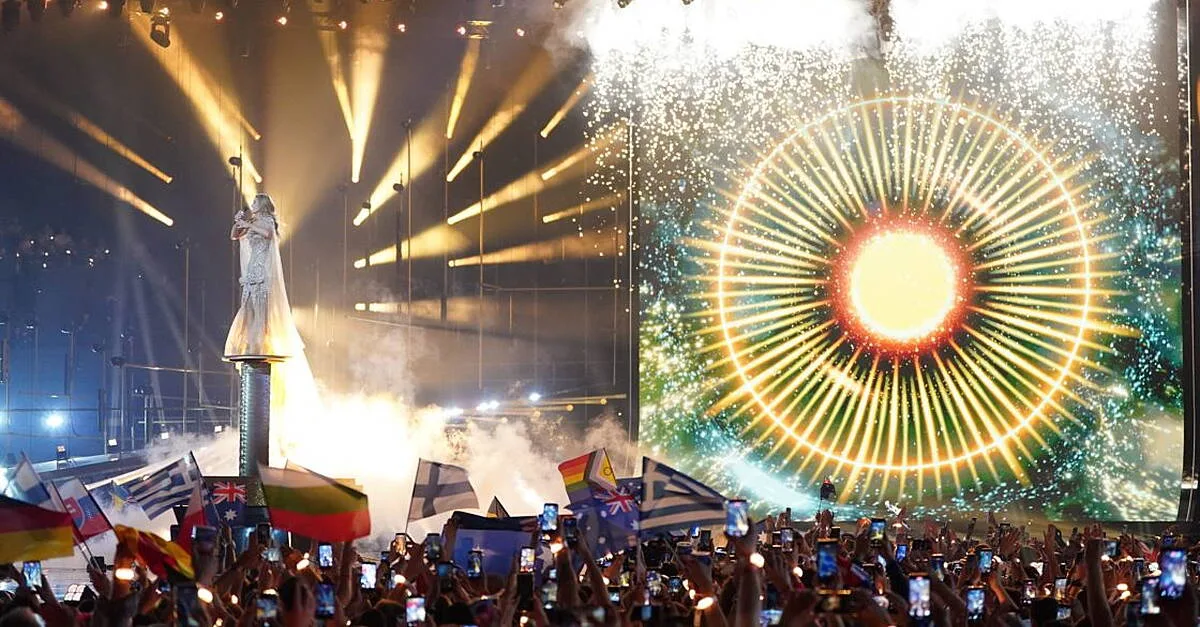
The Eurovision Song Contest has introduced a new rule for the 2027 edition, stating that the winning broadcaster will automatically be ineligible to host the event if their country is involved in an “armed conflict” or “sensitive geopolitical situation.” The change, announced on 12 August 2026, follows pressure from participating nations and aims to address concerns about the contest’s neutrality and operational feasibility in volatile regions.
The European Broadcasting Union (EBU), which organizes the contest, confirmed the rule during its annual review of competition guidelines. The updated criteria mean that a country’s participation in an armed conflict, or any situation deemed to materially affect its security, safety, or stability, will disqualify it from hosting the following year’s event. An independent security assessment may be commissioned to evaluate the feasibility of hosting, with the EBU retaining the authority to designate an alternative broadcaster if necessary.
The rule change comes amid heightened scrutiny of Eurovision’s political dimensions. In the lead-up to the 2026 contest in Vienna, Spain, the Netherlands, Ireland, and Slovenia boycotted the event over Israel’s participation amid the war in Gaza. These countries did not compete in the 2026 edition, and their absence underscored growing tensions about the contest’s role in geopolitical debates. The EBU emphasized that the new rules were developed in response to feedback from member broadcasters, with the goal of ensuring “greater clarity for artists and production staff.”
Eurovision Song Contest director Martin Green stated that the revisions reflect the contest’s commitment to “fairness, transparency, and consistency” while safeguarding participants. “These changes are about giving everyone involved greater clarity, protecting artists, and ensuring the contest continues to provide a safe and welcoming environment,” he said. The EBU also highlighted that the adjustments align with broader efforts to strengthen protections for younger artists, including raising the minimum age for participants from 16 to 18 on the day of their first rehearsal.
The 2027 contest, set to be hosted in Bulgaria, marks the first application of the new rule. Bulgaria won the 2026 competition with singer Dara’s victory, securing the right to host the following year’s event. However, the EBU’s updated guidelines now mean that if Bulgaria faces an “armed conflict” or “sensitive geopolitical situation” by 2027, it could lose its hosting rights. In such cases, the EBU would identify an alternative broadcaster to assume all responsibilities, including production and staging, without requiring the original host to act on behalf of another member.
The rule also extends to situations where a country’s immediate region is affected by instability. For example, military operations, airspace restrictions, or attacks in neighboring territories could trigger the ineligibility clause. The EBU’s reference group will assess these scenarios, with the final decision resting with the organization. While the rule does not impact a country’s ability to participate in the contest itself, it could force a last-minute shift in hosting arrangements if deemed necessary.
The 2026 contest faced additional scrutiny over its audio regulations. The EBU clarified that lead vocalists must perform the main melody live, with backing tracks or pre-recorded elements permitted only if they do not “replace or unduly assist” the live performance. This update was framed as a measure to preserve the integrity of each act, ensuring audiences hear “the lead vocals on each song performed live.”
The 2026 event, which saw Israel’s Noam Bettan finish second with the song “Michelle,” occurred despite protests against the country’s participation. Organizers noted that the boycotts by several European nations highlighted the contest’s evolving role as a platform for both cultural exchange and political discourse. The new rules aim to mitigate such tensions by establishing clearer boundaries between the contest’s artistic mission and external geopolitical challenges.
With the 2027 edition now subject to these conditions, the EBU’s approach underscores a broader shift toward prioritizing operational safety and neutrality. The organization has stressed that the changes do not alter the contest’s core principles but seek to adapt to “materially affecting” circumstances. As Eurovision continues to navigate its dual identity as a global entertainment event and a symbol of European unity, these updates reflect an effort to balance tradition with the realities of a rapidly changing political landscape.
How significant is this wire dispatch?
Cast your anonymous vote to register reader consensus across journalism and intelligence sectors.
Dateline Wire is dedicated to independent, evidence-backed reporting. This briefing was synthesized from primary source reporting, corroborated across independent newsrooms, and verified against our Editorial Standards.