Bonnie Greer Dies at 77 After Brief Illness
Renowned author and cultural commentator Bonnie Greer has passed away after a brief illness, leaving a legacy of advocacy for Black women's voices.
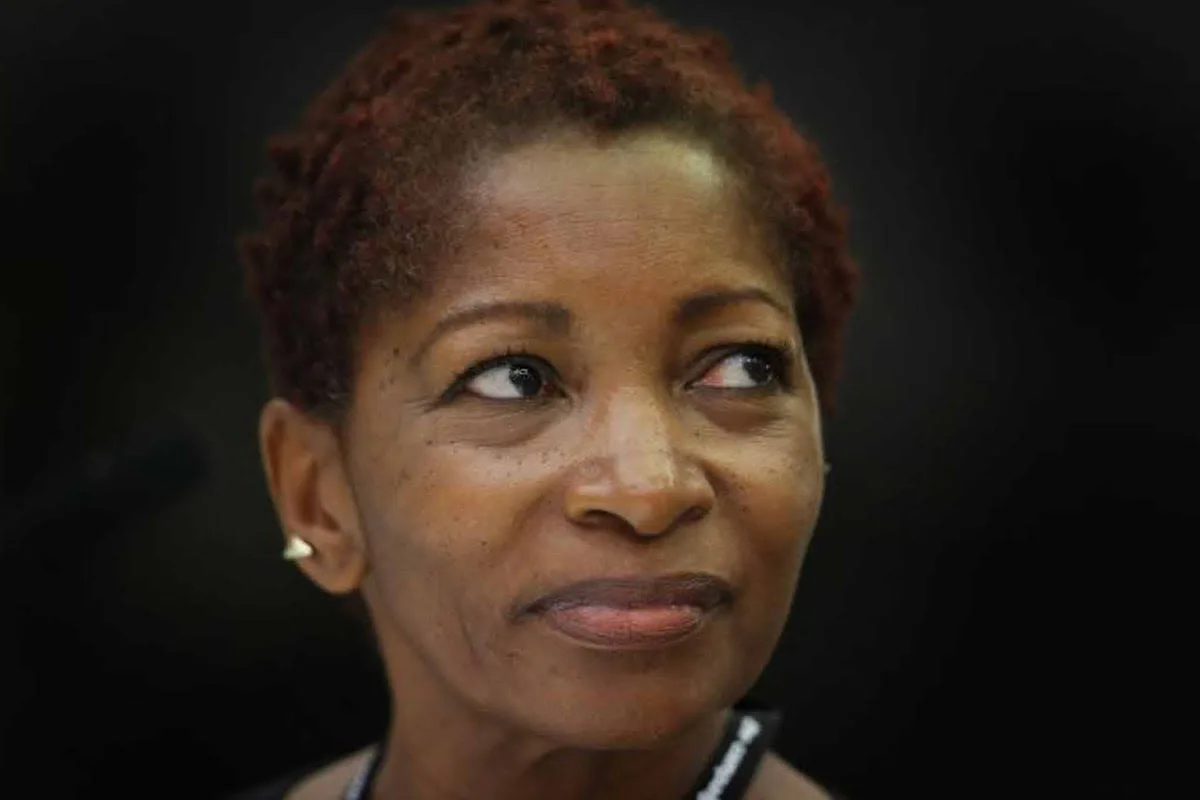
Playwright and Cultural Commentator Bonnie Greer Dies at 77
Renowned playwright, novelist, and cultural critic Bonnie Greer has died at the age of 77 following a brief illness, according to her husband, David Hutchins. Greer, a Chicago-born figure who became a central voice in British cultural and political discourse, was celebrated for her incisive commentary on race, power, and identity. Her death marks the end of a career that spanned decades of literary, theatrical, and institutional contributions. Greer’s husband described her as “an acclaimed playwright, author, critic, cultural and political commentator whose intelligence, courage and distinctive voice made an enduring contribution to British cultural and public life.” He added, “To me, she was my partner, confidante and inspiration, and I feel profoundly privileged to have shared my life with her.” The statement emphasized her warmth, humor, and ability to unite people, while requesting privacy for her family during this “immensely difficult time.”| Detail | Information |
|---|---|
| Birth | 1948, Chicago, Illinois |
| Move to UK | 1986; became a British citizen in 1997 |
| Key Roles | Board member, British Museum; Royal Opera House; London Film School; Chancellor, Kingston University |
| Awards | OBE (2010); Fellow, Royal Society of Literature (2022) |
| Notable Works | Play: *Munda Negra*; Novel: *Hanging by Her Teeth* (1994), *Entropy* (2009); Memoir: *Obama Music* (2009) |
Legacy in Arts and Academia
Greer’s influence extended beyond the stage and screen. She served on the boards of prestigious institutions, including the British Museum and Royal Opera House, and was appointed chancellor of Kingston University. Her academic contributions included a critical biography of Langston Hughes, *The Value of Contradiction* (2011), and a memoir, *A Parallel Life*. Her 2009 work *Obama Music* explored the cultural and historical connections between her Chicago upbringing and the Obama presidency, blending personal narrative with broader social analysis. The Verity Bargate Award for Best Play, which she received in 1993 for *Munda Negra*, underscored her theatrical impact. Other plays, such as *Jitterbug* and *Marilyn and Ella*, examined the intersections of race, gender, and celebrity. Her novels, including *Entropy*, grappled with grief and familial legacy, while her essays and commentaries offered sharp critiques of institutional power structures.Global Tributes and Unanswered Questions
Tributes from colleagues and admirers flooded social media and the press. Women’s rights campaigner Dr. Shola Mos-Shogbamimu called her “an absolute legend,” while BBC presenter Clive Myrie described her as a “friend and mentor” whose “voice for reason” would be missed. Her husband’s statement highlighted her “extraordinary ability to bring people together,” a trait that defined both her professional and personal relationships. Despite the breadth of her work, several questions remain unresolved. The exact nature of her “brief illness” has not been disclosed, and details about her funeral or memorial services have yet to be announced. Additionally, the full extent of her unpublished writings or ongoing projects remains unknown. As the cultural world mourns her passing, her legacy endures in the institutions she shaped, the voices she amplified, and the enduring relevance of her work on race and identity.Frequently Asked Questions
What was Bonnie Greer’s cause of death?
Greer’s husband, David Hutchins, stated she died after a “brief illness,” but no specific medical details were disclosed in the sources.
What were her most notable works?
Greer is best known for her play *Munda Negra* (1993), novels *Hanging by Her Teeth* (1994) and *Entropy* (2009), and the memoir *Obama Music* (2009). She also wrote a biography of Langston Hughes and appeared on UK television programs like *Question Time*.
How did she impact British cultural life?
Greer served on the boards of the British Museum, Royal Opera House, and London Film School. She received an OBE in 2010 and was a fellow of the Royal Society of Literature. Her work on race, gender, and power influenced public discourse and inspired generations of artists and activists.
Dateline Wire is dedicated to independent, evidence-backed reporting. This briefing was synthesized from primary source reporting, corroborated across independent newsrooms, and verified against our Editorial Standards.