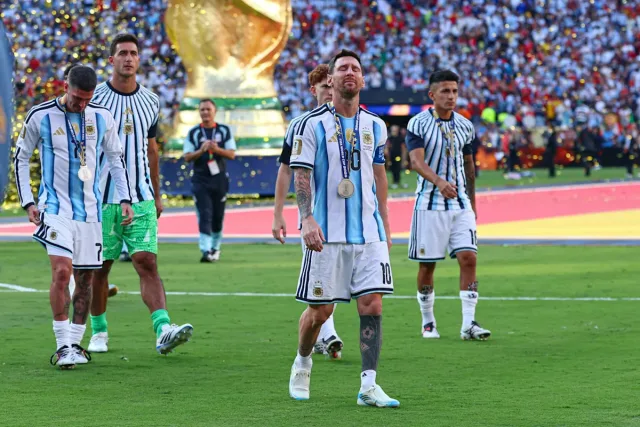
UEFA announces World Cup boycott over FIFA plans to sell tournament stakes
UEFA and its 55 member associations declared a sweeping boycott of FIFA competitions over a controversial plan to sell minority stakes to private investors.
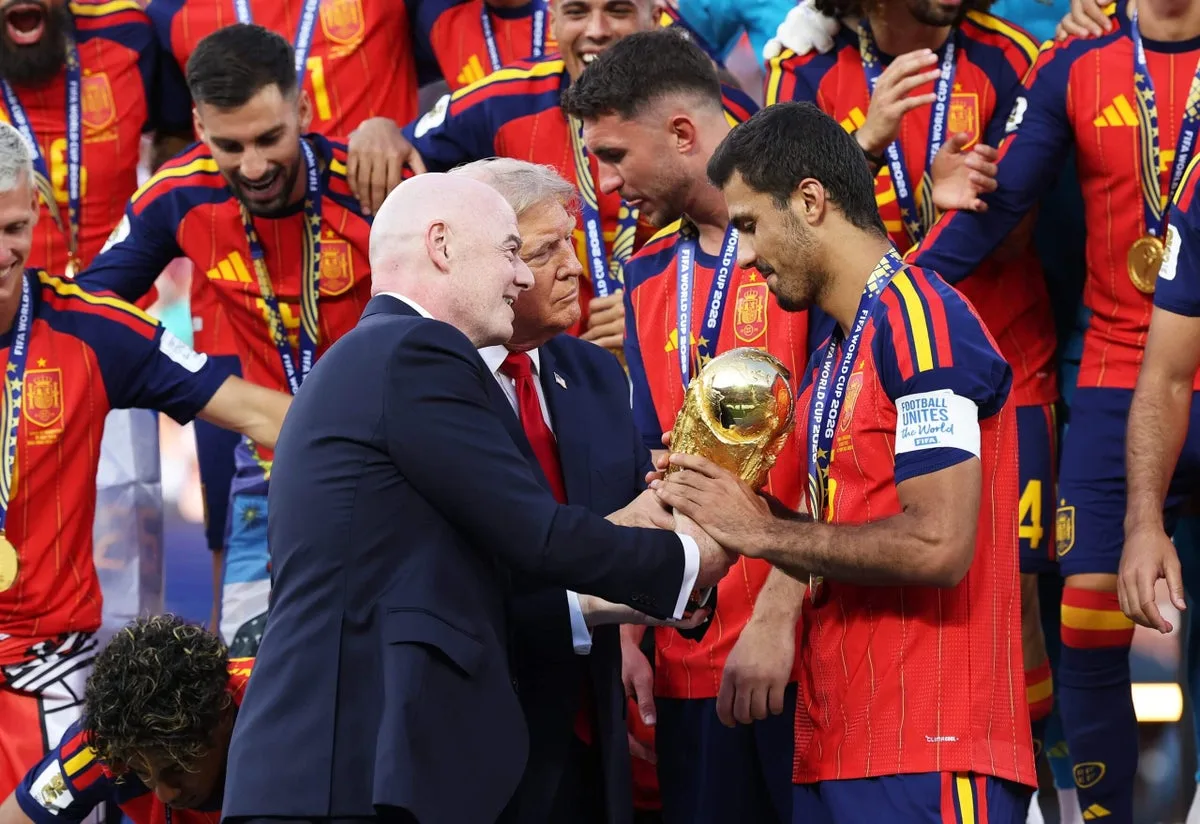
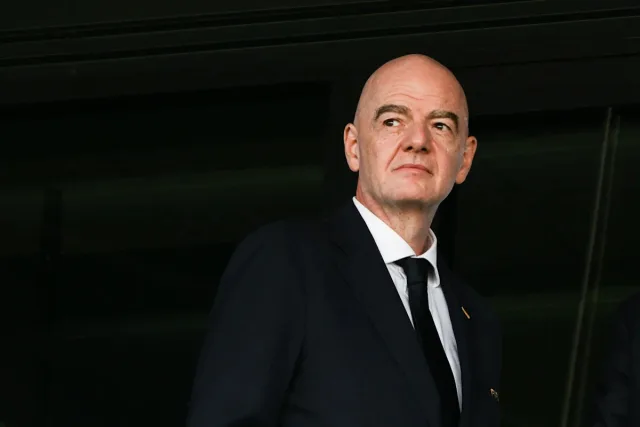
UEFA has declared a sweeping boycott of FIFA competitions, including the World Cup, in response to the global governing body’s plan to sell minority stakes in its tournaments to private investors. The decision, announced on Thursday, marks a dramatic escalation in tensions between European football’s leading authority and FIFA president Gianni Infantino, who has faced fierce criticism for what critics call a reckless commercialization of the sport.
The dispute centers on FIFA’s proposal to establish a new entity, the FIFA Forward Enterprise (FFE), which would manage the commercial operations of major tournaments like the World Cup. Under the plan, FIFA aims to raise up to $4.2 billion by selling a 21% minority stake in FFE to private investors, with Thrive Capital — led by Joshua Kushner, brother of U.S. President Donald Trump’s son-in-law Jared Kushner — positioned as a key player. The move, framed by FIFA as a “golden opportunity” to boost global football development, has been met with outrage from UEFA and other confederations.
UEFA’s 55 member associations unanimously rejected the proposal, vowing to withdraw from all FIFA competitions until the plan is abandoned. “The World Cup cannot be treated as an investment product,” UEFA stated in a scathing declaration. “No part of it should ever be surrendered to private investors. The World Cup is not for sale.” The statement condemned FIFA’s “lack of consultation” and accused the organization of “governance by intimidation.”
The boycott threatens to upend the upcoming football calendar. The Women’s World Cup in Brazil, set for 2027, and the FIFA U-20 Women’s World Cup in Poland later this year are among the tournaments at risk. European powerhouses like Spain, England, and France, reigning champions in men’s and women’s football, could be absent, stripping the competitions of their star players and commercial appeal. “A World Cup without Kylian Mbappe, Lamine Yamal, or Aitana Bonmati would be a shell of a tournament,” one analysis noted.
FIFA’s proposal, unveiled on Tuesday, offered member associations a $40 million payment in its next four-year cycle for backing the plan, with a deadline of September 19. However, UEFA and Concacaf criticized the “artificially short deadline” and lack of transparency. Concacaf, which includes the U.S., Mexico, and Canada, also rejected the plan, urging FIFA to prioritize “transparent governance” over profit. “The need for private equity investment to fund FIFA Forward programs was questioned,” a Concacaf statement said, highlighting concerns over the process rather than the principle.
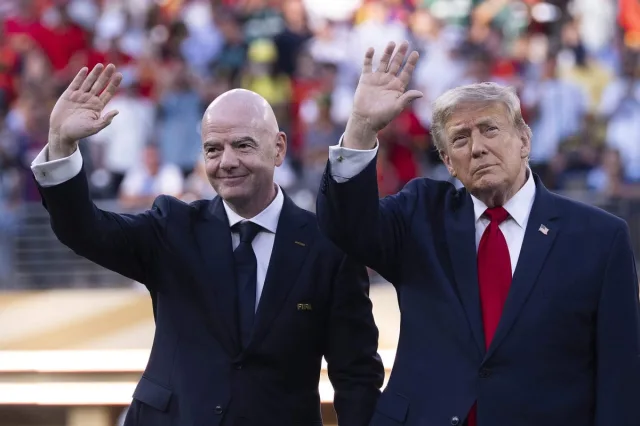
The controversy has deepened after revelations of Infantino’s close ties to the Trump administration. The U.S. president intervened to overturn a red card for an American player during the 2026 World Cup, and FIFA later awarded him a “peace prize.” Meanwhile, Thrive Capital’s potential role has drawn scrutiny, with critics linking the proposal to Trump’s inner circle. “This model has no place in world football,” UEFA said, accusing FIFA of “abdication of its duty as the custodian of world football.”
The stakes are high for FIFA. European nations, which have dominated World Cup history, hold significant sway over the tournament’s commercial and sporting value. A boycott could cripple FIFA’s revenue streams, particularly as the 2026 World Cup in the U.S., Canada, and Mexico approaches. UEFA’s threat to withdraw has also reignited debates about the balance between commercial interests and the integrity of the sport. “Some things are simply too important to sell,” the statement added.
Infantino faces a critical test. While some federations, like Indonesia’s Erick Thohir, initially supported the plan, the overwhelming opposition from Europe and North America has forced a reckoning. The FIFA president has previously navigated crises by pivoting to new initiatives, but this standoff could test his leadership. With UEFA and Concacaf united in opposition, the question remains: will Infantino abandon the proposal, or risk a fracture that could redefine the future of global football?
Dateline Wire is dedicated to independent, evidence-backed reporting. This briefing was synthesized from primary source reporting, corroborated across independent newsrooms, and verified against our Editorial Standards.