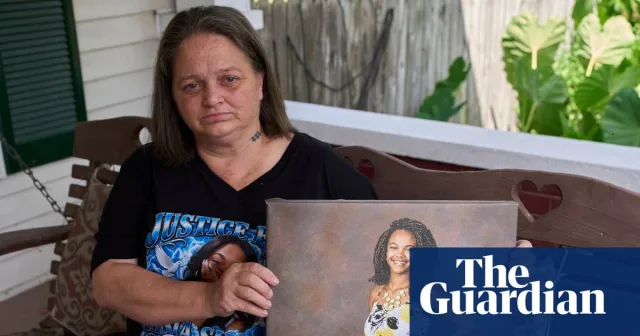
Mississippi police arrest man in death of Tasia Fortune
Mississippi authorities arrested 51-year-old Jacques Ratliff in the homicide of Tasia Fortune, who was found hanging from a tree in Jackson on August 3.
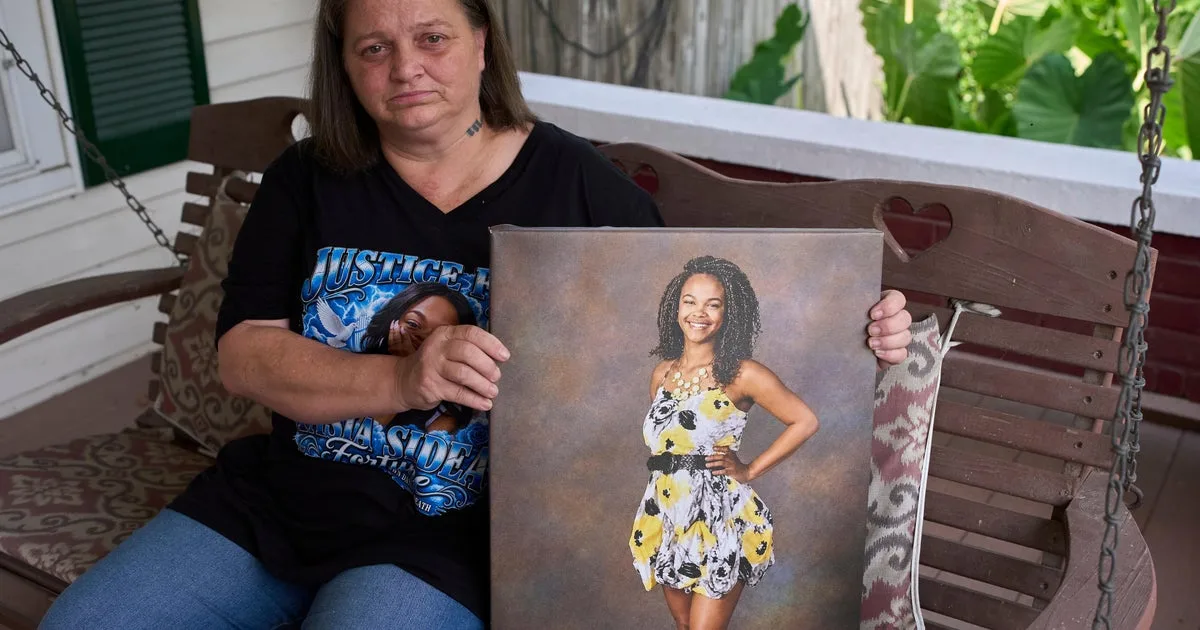
Mississippi Police Arrest Man in Homicide of Tasia Fortune
Mississippi authorities arrested Jacques Ratliff, 51, in the homicide of Tasia Fortune, a 29-year-old Black woman whose body was found hanging from a tree in Jackson on August 3. Police Chief RaShall Brackney confirmed the arrest on September 12, following a ruling by the state medical examiner that Fortune’s death was a homicide. The arrest followed weeks of public frustration over the slow pace of the investigation, with Fortune’s mother, Christy Spivey, describing the development as a “sigh of relief.”
Brackney stated that Ratliff had an “association” with Fortune but declined to elaborate on the nature of their relationship. The police chief emphasized that the investigation remains active, with additional arrests pending as investigators continue to follow evidence. “This case remains active and additional arrests will be pending,” Brackney said during a press conference, though she did not disclose whether Ratliff had a criminal history or specific ties to Fortune.
Fortune’s body was discovered in the backyard of an abandoned home in Jackson, a city with a majority-Black population and a history of racial violence. The case has reignited concerns about the state’s legacy of lynchings, with some lawmakers and activists linking it to a pattern of “possible modern-day lynchings.” A letter from over 50 members of Congress to the FBI and Justice Department cited at least 10 reported hangings of Black Americans this year and more than 70 lynchings documented between 2000 and 2025.
| Detail | Information |
|---|---|
| Victim | Tasia Fortune, 29, Black woman from Jackson, Mississippi |
| Death Date | August 3, 2026 |
| Arrest Date | September 12, 2026 |
| Medical Examiner Ruling | Homicide |
| Arrested Suspect | Jacques Ratliff, 51 |
| Charges | Murder |
| Community Context | Mississippi’s history of racial lynchings; 581 recorded lynchings between 1882 and 1968 |
Family Reaction and Unanswered Questions
Christy Spivey, Fortune’s mother, described the arrest as a “little bit of peace” after weeks of frustration with law enforcement. She revealed that police had not shared a motive or details about how DNA or evidence led to Ratliff’s identification. “I don’t know the man they arrested,” Spivey said, adding that she was asking her daughter’s friends to help identify him. The family, which includes four children, expressed shock at the news, with Spivey stating they were “in disbelief.”
Fortune’s death occurred less than a year after the hanging deaths of two other individuals in Mississippi: Trey Reed, a 21-year-old Black student at Delta State University, and Cory Zukatis, an unhoused White man in his 30s. Both cases were ruled suicides, though Reed’s family and attorneys requested independent autopsies and access to security footage. The Mississippi State Medical Examiner confirmed Zukatis’ death as a suicide.
Brackney acknowledged the community’s concerns about the case’s broader implications but stressed that public statements would be limited to evidence-backed conclusions. “We cannot speculate by the nature or the manner in which Ms. Fortune was killed, beyond what has been officially determined by the medical examiner,” she said. Despite this, the case has drawn national scrutiny, with some activists and lawmakers calling for transparency.
Context of Racial Violence and Legislative Response
The arrest comes amid heightened attention on racial disparities in law enforcement and the historical trauma of lynching in Mississippi. The NAACP estimates the state had the highest number of lynchings in the U.S. between 1882 and 1968, with at least 581 recorded incidents. Fortune’s case has been described by a U.S. Congress member as part of a pattern of “possible modern-day lynchings,” prompting over 50 lawmakers to demand an independent investigation into suspicious deaths of Black Americans.
Spivey’s frustration with law enforcement’s communication was echoed by residents of Jackson, who criticized the slow release of information. A letter she wrote to officials about the investigation’s pace was read during a public city meeting on September 8, the same day police announced the homicide ruling. Brackney defended the department’s efforts, stating that officials had maintained “constant contact” with the family throughout the case.
Ratliff’s current status remains unclear, as no jail logs or legal representation details were reported by the article’s publication. The investigation continues, with police indicating further arrests may follow.
Frequently Asked Questions
Who was arrested in Tasia Fortune’s death?
Jacques Ratliff, a 51-year-old man, was arrested on murder charges in connection with the death of Tasia Fortune, a 29-year-old Black woman found hanging from a tree in Jackson, Mississippi, on August 3.
What is the status of the investigation?
The investigation remains active, with Jackson Police Chief RaShall Brackney stating that additional arrests are pending. The medical examiner ruled Fortune’s death a homicide, but the motive and specific details of the suspect’s relationship to her have not been disclosed.
How does this case relate to broader concerns about racial violence?
Fortune’s death has drawn attention to Mississippi’s history of racial lynchings, with over 50 members of Congress calling for an independent investigation into suspicious deaths of Black Americans. The case is part of a pattern of reported hangings of Black individuals, raising concerns about systemic inequities and historical trauma.
The next developments in the case will likely depend on the outcome of the ongoing investigation, including whether additional suspects are identified and how the community responds to the arrest. For now, Fortune’s family and residents of Jackson await further clarity as the case underscores persistent questions about justice and accountability in the region.
Dateline Wire is dedicated to independent, evidence-backed reporting. This briefing was synthesized from primary source reporting, corroborated across independent newsrooms, and verified against our Editorial Standards.