NPR launches 2026 College Podcast Challenge as past winners reflect
NPR has launched its sixth annual College Podcast Challenge, offering a $5,000 grand prize and new guidelines emphasizing storytelling over production gimmicks.
- Headline: NPR launches 2026 College Podcast Challenge as past winners reflect
- Dispatch Summary: NPR has launched its sixth annual College Podcast Challenge, offering a $5,000 grand prize and new guidelines emphasizing storytelling over production gimmicks.
- Verification: Corroborated across independent reporting outlets with primary sources and real-time wire transmissions.
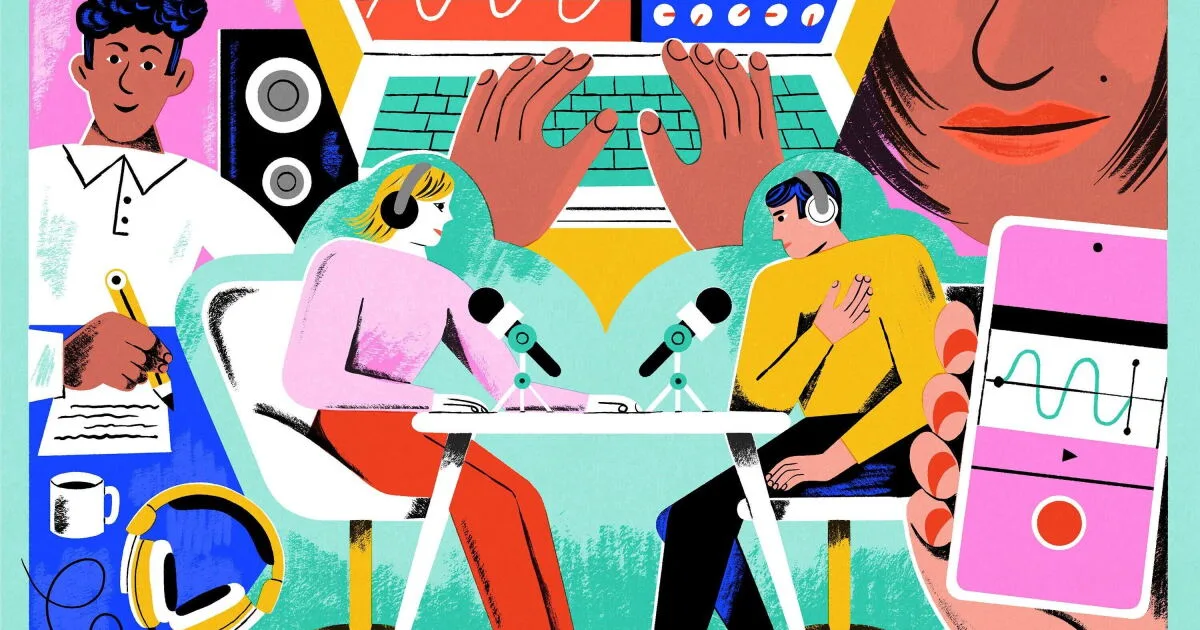
NPR's College Podcast Challenge Reboots for 2026, Highlighting Lifelong Impact
The National Public Radio (NPR) College Podcast Challenge, now in its sixth year, has resumed for 2026, inviting students across all 50 U.S. states and the District of Columbia to submit audio stories under eight minutes long. The competition, which began as an offshoot of the NPR Student Podcast Challenge launched in 2018, continues to serve as a platform for young creators to share personal narratives, investigative reports, and sound-rich explorations of campus life. This year, it also introduces the Senior Podcast Challenge, targeting participants aged 65 and older, marking a shift toward intergenerational storytelling.
For past participants, the contest has been a catalyst for professional and personal growth. One winner, who was notified of their victory during the pandemic, described the call from NPR education reporter Sequoia Carrillo as life-changing. The winner, now a freelance journalist working on NPR’s *Inheriting*, credited the challenge with securing their first radio job at KNKX, an NPR member station in Seattle. Similar stories abound among alumni, including Miriam Colvin, a Penn State University student who won in 2021 with a podcast about her grandfather’s encounter with a young Muhammad Ali. Colvin later pursued stand-up comedy and playwriting, drawing inspiration from her family’s oral histories.
Stories That Bridged Generations and Cultures
Bunmi Omisore, a Duke University senior, used her 2025 honorable mention to reconnect with her Nigerian heritage. Her podcast documented her journey to learn Yoruba, the language of her parents, which she initially neglected. After completing the project, her father began communicating exclusively in Yoruba, and Omisore’s efforts culminated in a deeper understanding of her family’s cultural roots. “It humanized a woman I had known but never truly understood,” she reflected, describing how hearing her grandmother’s jokes in Yoruba revealed a side of her grandmother’s personality previously obscured by linguistic barriers.
Other participants found the challenge to be a springboard for careers in niche fields. Bennett Cook, a Buffalo State University student, explored the “unexpected music” of subway trains in his 2021 entry. The experience solidified his passion for transit, leading to a job with the Chicago Transit Authority. Cook, who now works as a customer service assistant, aspires to influence urban transportation planning. Meanwhile, Jo Strogatz, a 2024 winner, leveraged the contest to launch her career at *Radiolab*, crediting the challenge with opening doors she otherwise might not have accessed.
| Participant | Year Won/Noted | Impact |
|---|---|---|
| Unnamed Winner (2021) | 2021 | First job at KNKX, freelance journalism at NPR |
| Miriam Colvin | 2021 | Shifted to stand-up comedy and playwriting |
| Bunmi Omisore | 2025 (honorable mention) | Mastered Yoruba, deepened family connections |
| Bennett Cook | 2021 | Transitioned to transit industry, aims for leadership |
| Jo Strogatz | 2024 | Joined *Radiolab* as a journalist |
New Rules and Emphasis on Ethical Storytelling
NPR has reiterated its guidelines for the 2026 competition, emphasizing simplicity in production and ethical storytelling. Contestants must avoid copyrighted music, excessive sound effects, and AI-generated content. The organization advises against overloading podcasts with “scoring” or “sound effects,” noting that such elements often distract from the narrative. “The fewer the better,” one guideline states, “or none at all.”
Participants are also urged to adhere to journalistic principles, including seeking balanced perspectives and protecting the privacy of individuals featured in their work. “You should be mindful of the principles and ethics we follow in our journalism,” NPR’s guidelines stress. “Have you included full names of characters in your story, and have you avoided revealing details that are private or personal to them?”
Frequently Asked Questions
What are the prizes for the 2026 College Podcast Challenge?
The grand prize is $5,000, with $500 scholarships awarded to finalists. These amounts were confirmed in multiple sources, including wyso.org and NPR’s official announcement.
Who is eligible to participate?
The challenge is open to students from colleges across all 50 U.S. states and the District of Columbia. A new Senior Podcast Challenge for participants aged 65 and older was introduced this year, as reported by wyso.org and NPR.
What are the submission requirements?
Submissions must be audio stories under eight minutes long, free from copyrighted music. Participants are advised to avoid excessive sound effects, music, or AI-generated content. Detailed rules are available on NPR’s website.
The 2026 College Podcast Challenge underscores NPR’s commitment to amplifying student voices while fostering ethical, story-driven content. As the deadline approaches, participants face the dual task of crafting compelling narratives and adhering to the organization’s stringent production standards. For past winners, the contest remains proof of the power of audio storytelling to bridge gaps—between generations, cultures, and career paths.
How significant is this wire dispatch?
Cast your anonymous vote to register reader consensus across journalism and intelligence sectors.
Dateline Wire is dedicated to independent, evidence-backed reporting. This briefing was synthesized from primary source reporting, corroborated across independent newsrooms, and verified against our Editorial Standards.