Israeli air attacks in southern Lebanon kill at least 11 people
Israeli air strikes in southern Lebanon killed at least nine to eleven people, including children and medics, amid ongoing violence despite a ceasefire.
Israeli air strikes in southern Lebanon on Monday killed at least 9 to 11 people, according to conflicting reports from Lebanese state media and local outlets, as the region grappled with renewed violence despite a U.S.-brokered ceasefire. The attacks, which targeted residential areas in Kfar Reman and Deir al-Zahrani, underscored the fragility of the diplomatic framework and the persistent humanitarian toll on civilians.
DetailInformationDeath toll reports9 (Yahoo), 10 (Egyptian Gazette, Al Jazeera), 11 (BBC)LocationsKfar Reman, Deir al-Zahrani, Arab SalimInjured13 (Yahoo), 5 (Al Jazeera), 20 (Al Jazeera)Targeted sitesResidential buildings, civilian vehicle, Hezbollah facilityContextU.S.-brokered ceasefire, ongoing Israeli operations in “security zone”
Discrepancies in Death Toll Reports
Lebanese state media and regional outlets provided varying accounts of the casualties, reflecting the challenges of verifying information amid active conflict. The BBC reported 11 deaths, including two children and two paramedics, while the Egyptian Gazette and Al Jazeera cited 10 fatalities, with the latter noting an infant among the dead. Yahoo.com, citing Lebanon’s Health Ministry, reported 9 killed and 13 wounded in a southern village, though it did not specify the exact location. These discrepancies highlight the difficulty of confirming casualty numbers in real-time and the potential for overlapping reports of separate strikes.
The attacks occurred in Kfar Reman, a town in the Nabatieh district, where Israeli warplanes struck a three-storey residential building early Monday, killing nine people, including two children, and wounding five others. A separate drone strike targeted a civilian vehicle, killing two medics. The Israeli military claimed the strikes were directed at a building near a Hezbollah facility, which it alleged was used to launch an explosive drone. A forced evacuation order was issued for Deir al-Zahrani, where residential areas were also hit.
Context of the U.S.-Brokered Ceasefire
The strikes came amid a stalled diplomatic process, as the U.S.-brokered framework agreement between Israel and Lebanon—aimed at reducing violence and establishing “pilot zones” for disarming Hezbollah—has failed to curb Israeli operations. The agreement, signed in June 2026, sought to create a buffer zone where the Lebanese army would disarm Hezbollah and Israeli forces would withdraw. However, Israel has continued razing villages in its so-called “security zone” in southern Lebanon, conducting air strikes both within and north of the area without consistent evacuation orders.
Lebanese President Joseph Aoun condemned the attacks as a “dangerous escalation,” warning they threatened the ceasefire. The Israeli military has repeatedly cited Hezbollah’s drone attacks on its forces as justification for its operations, though the group has not publicly claimed responsibility for the strikes in Kfar Reman. The conflict has escalated since March 2026, with Lebanon’s Health Ministry reporting over 4,350 Israeli airstrikes that have killed more than 4,350 people and wounded over 12,300, including 135 healthcare workers since March 2.
Impact on Southern Lebanon
Residents of southern Lebanon described a climate of “uncertainty and fear” as attacks resumed after a brief lull. Al Jazeera’s Zeina Khodr, reporting from Kfar Reman, noted that the region had seen a wave of Israeli strikes over the past 48 hours, with civilians bearing the brunt of the violence. “People just do not know what is next,” she said. “Residential homes are being destroyed.”
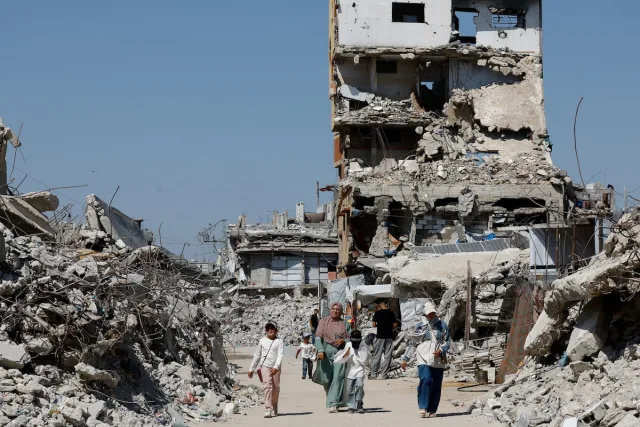
Civil defense workers continued recovery efforts in the aftermath of the strikes, though the focus shifted from rescue to recovery. The attacks followed a similar pattern to those in Arab Salim, a nearby town where seven people were killed and 20 wounded the previous day. The repeated targeting of residential areas has raised concerns about the humanitarian crisis, with displaced families struggling to rebuild amid ongoing threats.
Frequently Asked Questions
What is the discrepancy in the death toll reports?
Reports from Lebanese state media and regional outlets vary, citing 9, 10, or 11 fatalities. The BBC and Al Jazeera cited 11 deaths, including two children and two medics, while the Egyptian Gazette and Yahoo.com reported 10 and 9 deaths, respectively. The differences likely stem from overlapping strikes in multiple locations and challenges in verifying casualties in real time.
How does the U.S.-brokered ceasefire affect the current attacks?
The ceasefire, signed in June 2026, aimed to reduce violence by establishing pilot zones for disarming Hezbollah and Israeli withdrawals. However, Israeli operations have continued in southern Lebanon’s “security zone,” with strikes targeting areas outside the agreed framework. The agreement has not halted attacks, and the Israeli military has cited Hezbollah’s drone attacks as justification for its actions.
What is the impact on civilian infrastructure?
The attacks have destroyed residential buildings and targeted healthcare workers, with over 135 medical personnel killed since March 2026. Civil defense efforts remain critical, but the focus has shifted from rescue to recovery as the conflict persists. The repeated strikes have left communities in southern Lebanon in a state of prolonged uncertainty.
The situation in southern Lebanon remains volatile, with no clear indication of when the violence will subside. As the humanitarian toll mounts, the failure of the U.S.-brokered ceasefire to prevent further attacks raises urgent questions about the prospects for lasting peace in the region.
Dateline Wire is dedicated to independent, evidence-backed reporting. This briefing was synthesized from primary source reporting, corroborated across independent newsrooms, and verified against our Editorial Standards.