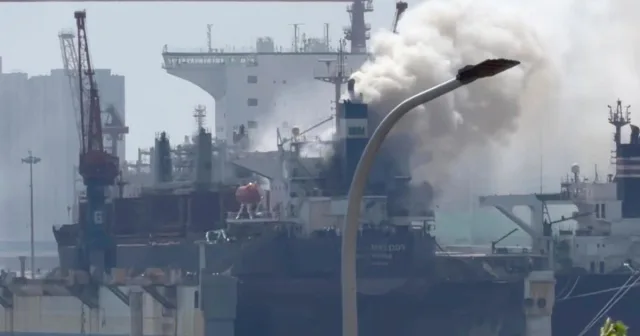
Oil hits $100 per barrel as US destroys five Iranian tankers
Global oil markets are reeling as U.S. strikes on Iranian tankers spark fears of a wider regional conflict and severe shipping disruptions.
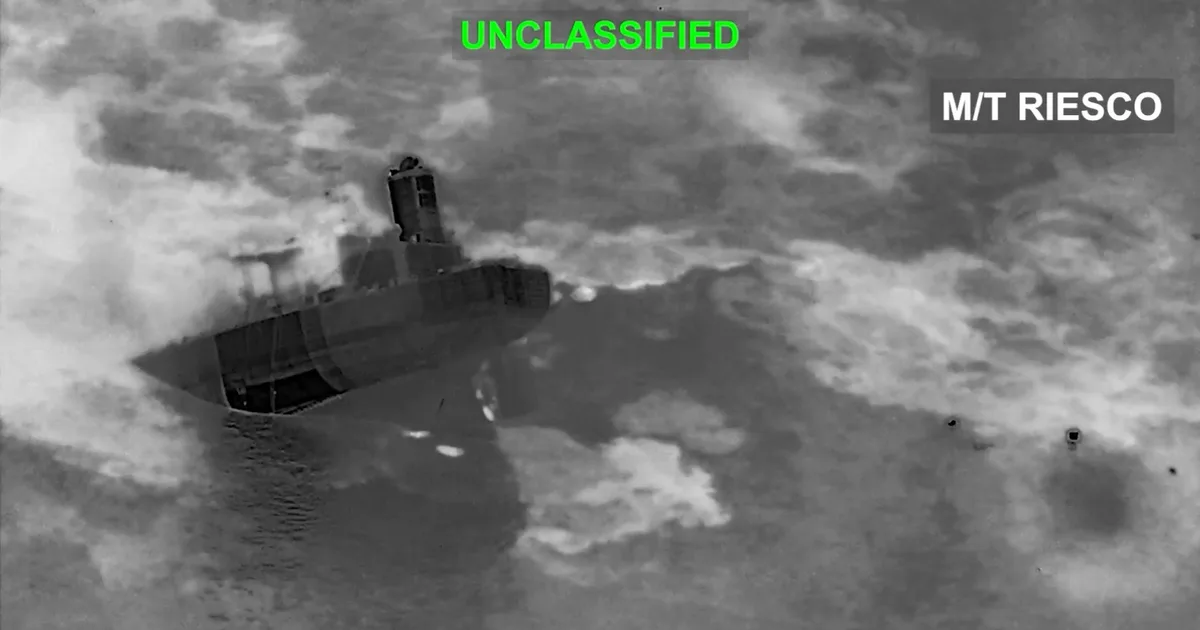
U.S. Destroys Iranian Tankers, Sparking Regional Escalation and Oil Price Surge
The U.S. military escalated its campaign against Iran on Tuesday, destroying five Iranian oil tankers in the Persian Gulf and Gulf of Oman. The strikes, described by U.S. Central Command as a response to recent Iranian missile attacks on a U.S. warship, sent global oil prices surging past $100 per barrel for the first time since July. The conflict has intensified tensions in the Strait of Hormuz, a critical chokepoint for global energy supplies, and raised fears of broader economic and geopolitical fallout. The U.S. action followed a series of Iranian attacks on American forces in the region. On Monday, Iran’s Revolutionary Guard Corps (IRGC) claimed to have targeted a U.S. warship with ballistic missiles, though CENTCOM denied any damage. In retaliation, the U.S. struck four tankers in the Gulf of Oman and one near Kharg Island, Iran’s main oil export terminal. A U.S. statement said crews were ordered to abandon the vessels before they were disabled, but it did not specify whether the ships were carrying oil or were empty. Iran retaliated by accusing the U.S. of "aggression" and claiming to have targeted two American warships, eight oil tankers, and 10 "non-compliant vessels" in the Persian Gulf. The IRGC also fired ballistic missiles at a U.S. military base in Jordan, which the Jordanian military said it intercepted. The conflict has further destabilized the region, with Iran expanding its maritime restrictions to include parts of the Gulf of Oman and Arabian Sea.| Detail | Information |
|---|---|
| Oil Price Surge | Brent crude reached $101 per barrel, its highest since late July, while WTI climbed to $94.17. |
| Tanker Strikes | U.S. destroyed five Iranian tankers; Iran claimed to target two U.S. warships and eight oil tankers. |
| Regional Impact | Shipping through the Strait of Hormuz dropped to six vessels on Tuesday, down from a 10-day average of 12. |
| Economic Warnings | Goldman Sachs warned Brent crude could hit $120 per barrel if attacks escalate, while prediction markets favored higher prices. |
Escalation in Yemen and Broader Regional Tensions
The U.S.-Iran conflict has compounded existing crises in Yemen, where Iran-backed Houthi rebels have intensified attacks on Saudi oil infrastructure. On Tuesday, the Houthis claimed to have set fire to Saudi oil sites, injuring 73 people, while Saudi forces reported over 30 strikes on Houthi positions. The fighting has displaced nearly 20,000 people in Yemen’s Hodeida province, with families like Salama Saeed’s fleeing shelling and gunfire. Iran’s IRGC also announced plans to expand its "prohibited zone" beyond the Strait of Hormuz, threatening sanctions for vessels entering without coordination. The move follows a June agreement to establish a maritime "exclusion zone," which the U.S. and its allies have opposed as a violation of international law. Meanwhile, Iran’s foreign ministry condemned the U.S. strikes as a threat to regional security, accusing Washington of "interference" in Iran’s nuclear and missile programs. The conflict has also drawn international attention. South Korea faced protests against potential troop deployments to the Strait of Hormuz, with demonstrators warning of "a sea of death." Iran warned that any South Korean involvement would be seen as "direct support for the party responsible for that aggression."Market Volatility and Geopolitical Risks
Global markets reacted sharply to the escalation. U.S. stock indices fell on Wednesday as oil prices rose, with the Dow Jones Industrial Average down 0.6% and the S&P 500 slipping 0.3%. The U.S. 2-year yield climbed as investors bet on Federal Reserve rate hikes to combat inflation, which has been fueled by energy price shocks. Prediction markets showed a 56.5% probability of Brent crude reaching $120 by year-end, up from 44.8% a week earlier. The energy sector has seen record diesel prices in the U.S., with pump prices hitting $5.94 per gallon. Analysts warn that prolonged disruptions in the Strait of Hormuz could strain global supply chains, particularly as Gulf producers seek alternative routes and non-OPEC nations increase output. However, Goldman Sachs noted that current price levels remain below the $120 threshold if attacks widen, highlighting the fragile balance between supply and demand.Frequently Asked Questions
How many Iranian tankers did the U.S. destroy?
The U.S. Central Command confirmed it destroyed five Iranian oil tankers on Tuesday, with four struck in the Gulf of Oman and one near Kharg Island.
Why did oil prices spike to $100 per barrel?
The U.S.-Iran conflict disrupted shipping through the Strait of Hormuz, a key route for global oil exports. Attacks on tankers and expanded maritime restrictions raised fears of prolonged supply shortages, pushing Brent crude past $100 for the first time since July.
What are the risks of further escalation?
Iran has threatened to retaliate with "20 targets for every two or three U.S. strikes," while the U.S. has warned of continued pressure on Iran’s economy. The conflict could destabilize global energy markets, with Goldman Sachs forecasting Brent crude could reach $120 if attacks intensify.
The situation remains volatile as both sides prepare for further confrontation. With Iran’s IRGC vowing to expand its maritime restrictions and the U.S. maintaining its naval presence, the next 48 hours could determine whether the conflict enters a new phase of open warfare or seeks a temporary de-escalation. For now, the Strait of Hormuz remains a flashpoint, with global markets and regional stability hanging in the balance.
Dateline Wire is dedicated to independent, evidence-backed reporting. This briefing was synthesized from primary source reporting, corroborated across independent newsrooms, and verified against our Editorial Standards.