Liverpool owners FSG sell minority stake to Jeff Bezos consortium
Fenway Sports Group has agreed to sell a minority stake in Liverpool FC to a consortium led by British-Indian entrepreneur Amit Bhatia.
- Headline: Liverpool owners FSG sell minority stake to Jeff Bezos consortium
- Dispatch Summary: Fenway Sports Group has agreed to sell a minority stake in Liverpool FC to a consortium led by British-Indian entrepreneur Amit Bhatia.
- Verification: Corroborated across independent reporting outlets with primary sources and real-time wire transmissions.
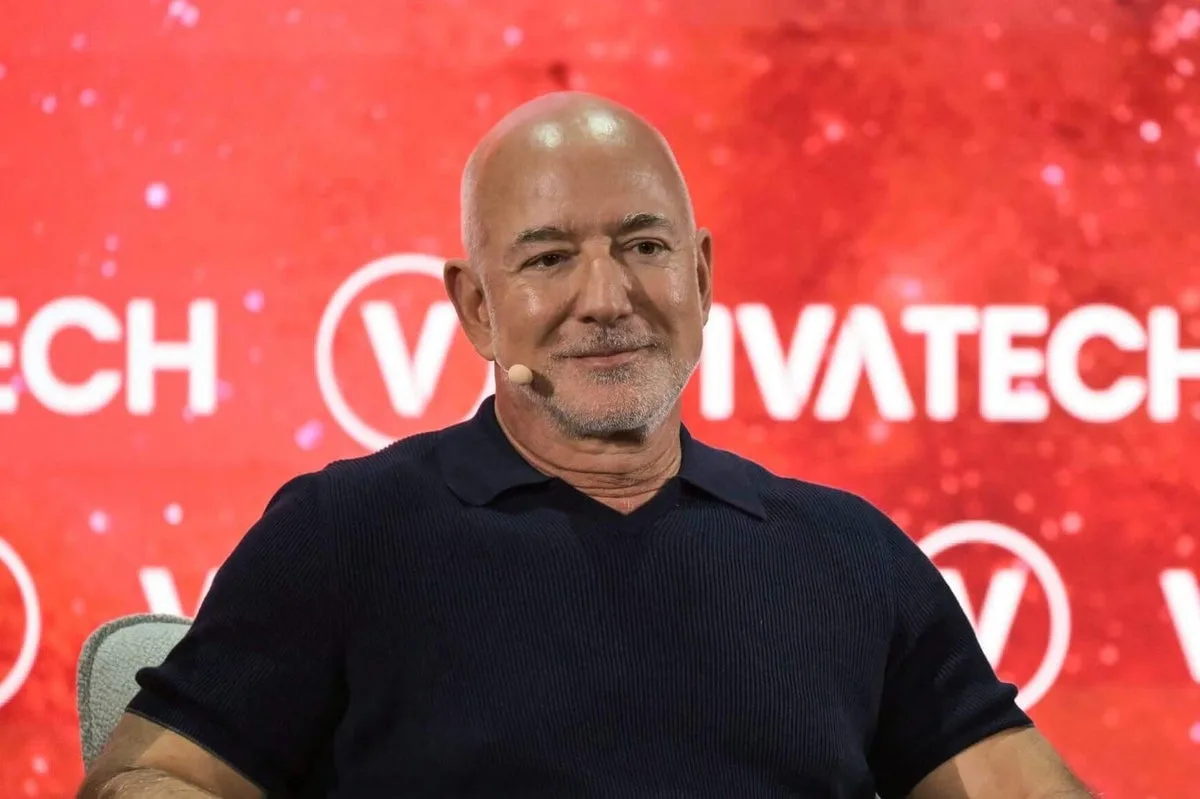
Fenway Sports Group (FSG), the owners of Liverpool Football Club, have confirmed the sale of a minority stake in the Premier League club to a consortium led by British-Indian entrepreneur Amit Bhatia, with Amazon founder Jeff Bezos and Facebook co-founder Eduardo Saverin among the investors. The deal, announced on August 14, 2026, follows months of negotiations and is subject to regulatory approvals.
The consortium, named 1892 Holdings, is acquiring a stake estimated to be around 30% of Liverpool, though the exact size remains undisclosed. FSG will retain majority ownership and operational control of the club, emphasizing that the transaction does not alter the club’s leadership or day-to-day management. The agreement, announced on August 14, 2026, follows months of negotiations and is subject to regulatory approvals.
Bhatia, 46, will serve as vice chairman of Liverpool, joining the club’s board alongside Elaine Saverin, wife of Eduardo Saverin, and Bryan Baum of K5 Sports, the investment vehicle backing the consortium. Bezos, however, will not hold a seat on the board, according to sources. The deal is described as a “long-term partnership” aimed at leveraging the consortium’s global business and technology expertise to support Liverpool’s growth ambitions.
FSG president Mike Gordon stated the investment aligns with the club’s philosophy of “thinking beyond one season,” highlighting the consortium’s shared vision for Liverpool’s future. “Their experience and perspective will complement the strong foundation already in place,” he said. Bhatia, speaking on behalf of 1892 Holdings, expressed pride in the partnership, calling it a “huge privilege” to invest in a club with “what makes Liverpool special.”
The valuation of Liverpool at $7 billion underscores the club’s status as one of the world’s most valuable football teams. This deal surpasses the $4.5 billion valuation from a 2023 stake sale to Dynasty Equity, which saw FSG generate a significant return on its initial £300 million purchase of the club in 2010. Analysts note that FSG’s decision to sell a minority stake reflects its confidence in the club’s financial model, which has relied on reinvesting profits rather than external funding.
The consortium’s involvement is expected to enhance Liverpool’s global brand, particularly through Bhatia’s connections in Asia and Saverin’s technology sector expertise. However, FSG has stressed that the investment will not directly fund transfer activity or infrastructure projects. “There is no new or separate transfer budget associated with this investment,” Bhatia said, reiterating that Liverpool’s football strategy will remain unchanged.
Bezos, 62, has long been linked to sports investments, including exploratory talks about acquiring NFL franchises. His entry into football comes as he diversifies his portfolio beyond Amazon, which he founded in 1994. Saverin, 44, previously attempted to buy Chelsea in 2022 but withdrew after the Russian government pressured owner Roman Abramovich to sell. The inclusion of Saverin and Bhatia, who previously owned a stake in Queens Park Rangers, adds a mix of tech and sports finance experience to the consortium.
The deal also highlights FSG’s openness to strategic partnerships. In 2021, RedBird Capital Partners acquired an 11.5% stake in FSG, and Dynasty Equity’s 3% investment in 2023 provided direct funding for stadium upgrades and debt repayment. This latest transaction, however, is the largest in terms of both valuation and the prominence of its investors.
While the financial implications are clear, the broader impact on Liverpool’s operations remains uncertain. The club’s leadership has emphasized that the consortium’s role will be advisory, with no immediate changes to its management structure. However, the involvement of figures like Bezos and Saverin could open new sponsorship avenues and strengthen Liverpool’s appeal to global audiences.
How significant is this wire dispatch?
Cast your anonymous vote to register reader consensus across journalism and intelligence sectors.
Dateline Wire is dedicated to independent, evidence-backed reporting. This briefing was synthesized from primary source reporting, corroborated across independent newsrooms, and verified against our Editorial Standards.